

Residents and environmental campaigners are raising concerns over Google’s planned $15 billion artificial intelligence data centre in Visakhapatnam, India, warning that the project could strain water and electricity supplies, threaten the environment and offer limited employment benefits to surrounding communities.
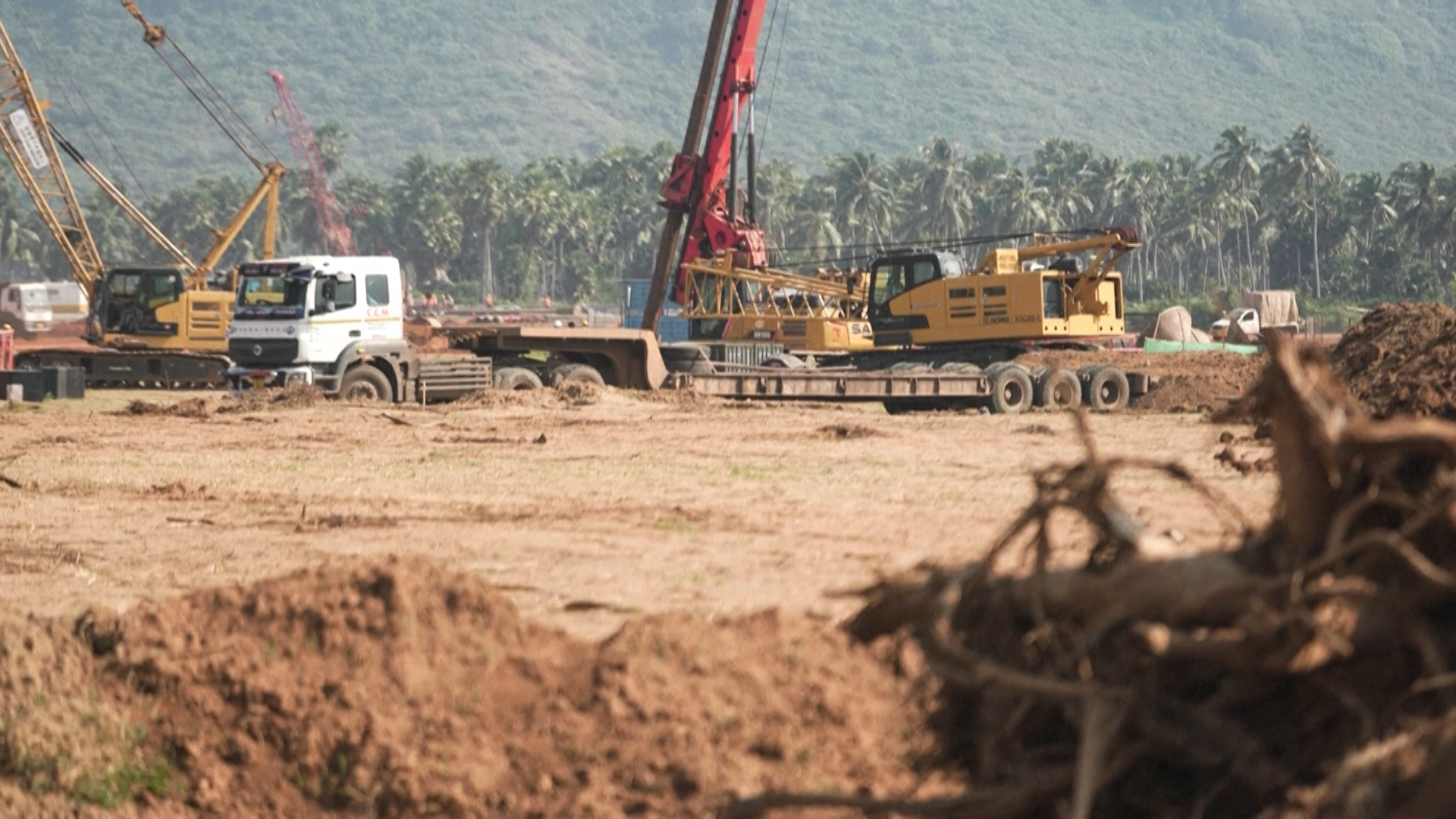
Construction is underway on the 600-acre site in Andhra Pradesh, where the facility is expected to become Google’s largest data centre outside the United States. The project is being promoted by Indian authorities as a major step towards strengthening the country’s position in the global artificial intelligence industry.
However, the development has sparked opposition among residents who fear the demands of large technology facilities could worsen existing resource shortages. Campaigners are calling for a halt to new data centre projects across the state until independent environmental and social impact assessments are made public.
One of the main concerns is water availability in Visakhapatnam, a coastal city where demand already exceeds supply. Residents and environmental groups fear that the expansion of data centres, which require substantial infrastructure and electricity, could put additional pressure on resources needed by local households and businesses.
Google has said the facility will use advanced air-cooling technology rather than relying on water for cooling its servers. The company has also indicated that the project will incorporate measures intended to reduce its environmental impact. Despite these assurances, campaigners remain concerned about the wider demands the development and other planned facilities could place on the region.

The Andhra Pradesh government, meanwhile, expects the wider technology investment drive to generate as many as 188,000 direct and indirect jobs. Google has estimated that its project will support thousands of jobs during construction, although campaigners question how many lasting employment opportunities will be available to people living in nearby communities.
The proposed facility is part of India’s broader ambition to attract major technology companies and expand its artificial intelligence infrastructure. Visakhapatnam’s position as a landing point for submarine internet cables linking India to Singapore makes it an attractive location for a project designed to support growing demand for digital services and computing capacity.
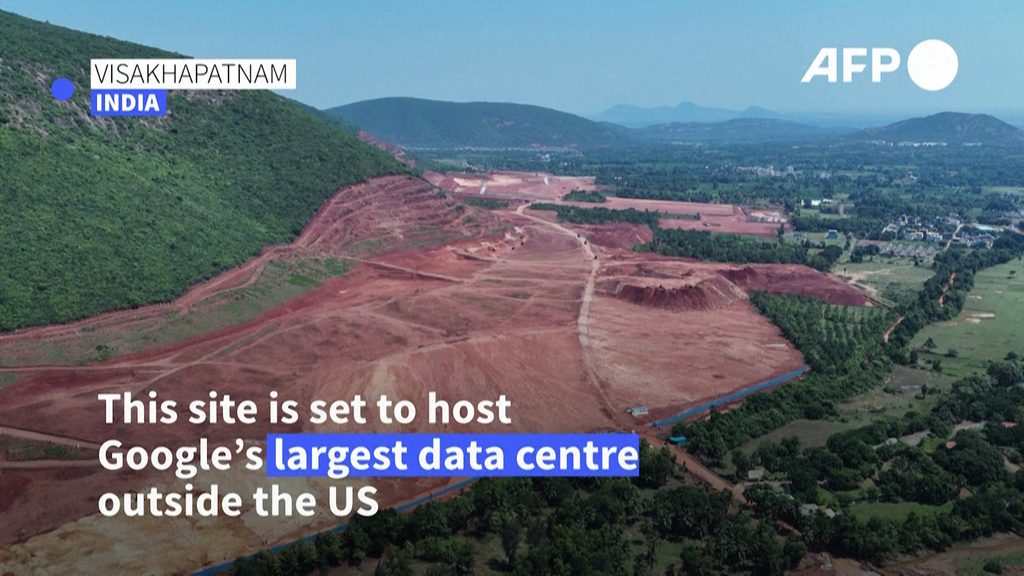
The controversy highlights a growing debate over how countries can attract investment in emerging technologies while protecting local communities and the environment. For residents of Visakhapatnam, the challenge is ensuring that the economic promises of the artificial intelligence boom do not come at the expense of access to essential resources, agricultural livelihoods and environmental protection.