

The lead
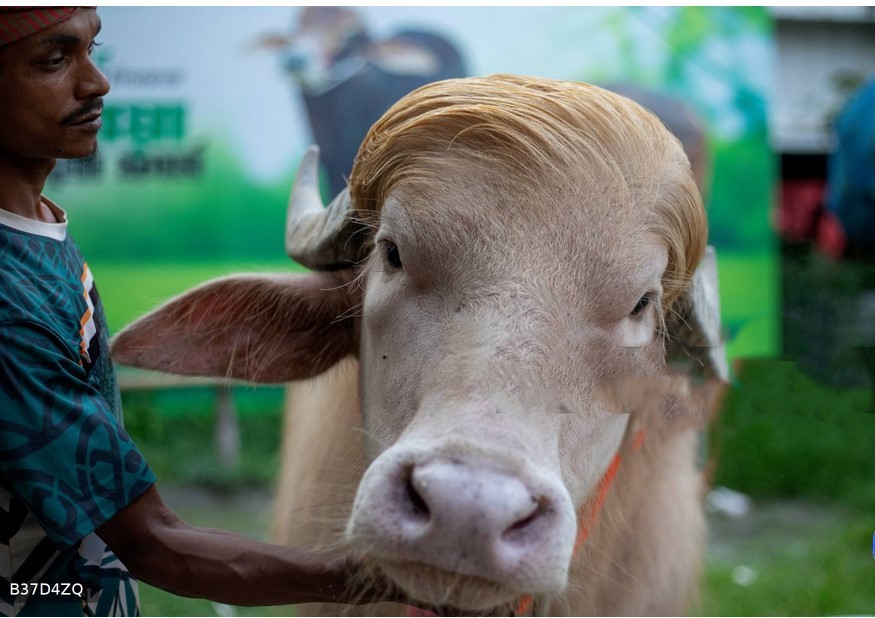
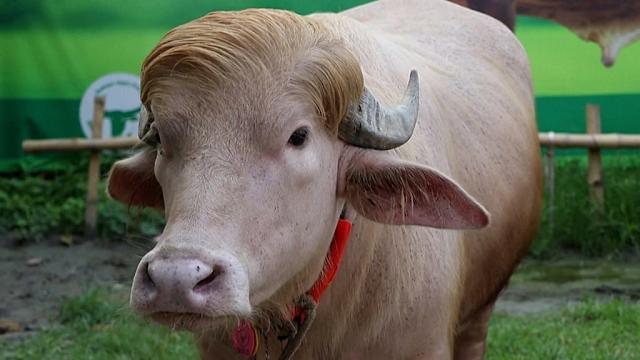
As the global Islamic community, including millions of Nigerian faithful, prepares for the sacred celebrations of Eid al-Adha, an extraordinary livestock story out of South Asia has taken the digital world by storm. A rare albino buffalo in Bangladesh has transformed a local community into a global internet attraction, purely because onlookers believe its distinctive features bear an uncanny resemblance to former United States President Donald Trump.
From Livestock Market to Global Headline
The animal, weighing an impressive 700 kilograms, belongs to a local farmer named Zia Uddin Mridha. Located in Narayanganj, just outside the capital city of Dhaka, the farm has witnessed an unprecedented influx of families, children, and selfie-seekers throughout May.
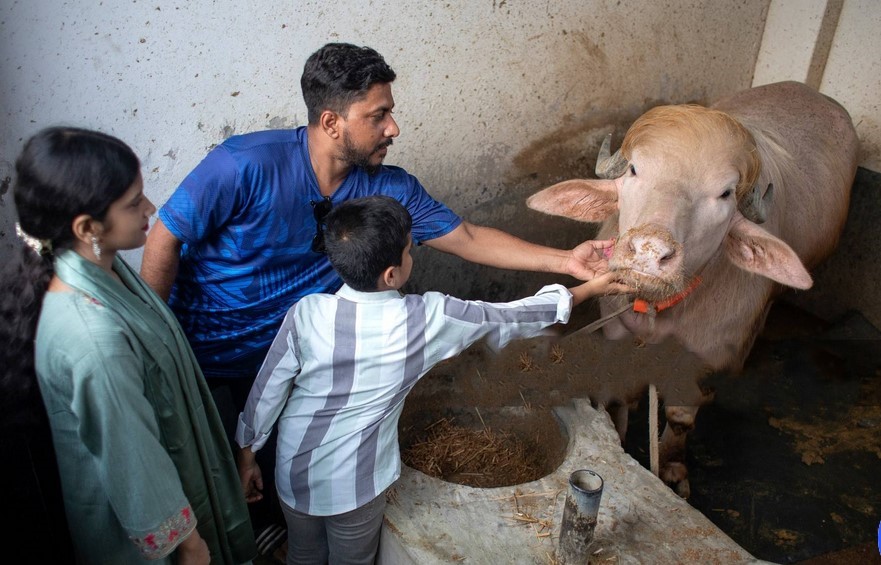
The owner’s family initially noticed the buffalo’s distinct blond hair, pale skin, and unique forelock, prompting them to playfully nickname it “Donald Trump.” Once local influencers and visitors began sharing video clips across Facebook, Instagram, and X, the local curiosity rapidly expanded into an international news item.
The Anatomy of a Viral Sensation
Digital media analysts note that the story successfully leverages a potent mix of internet trends: a rare genetic anomaly, high-profile political branding, and seasonal interest in livestock. In a fascinating twist of pop-culture satire, reports indicate another buffalo nearby has been nicknamed “Benjamin Netanyahu,” turning the farming community into an unexpected political spectacle.

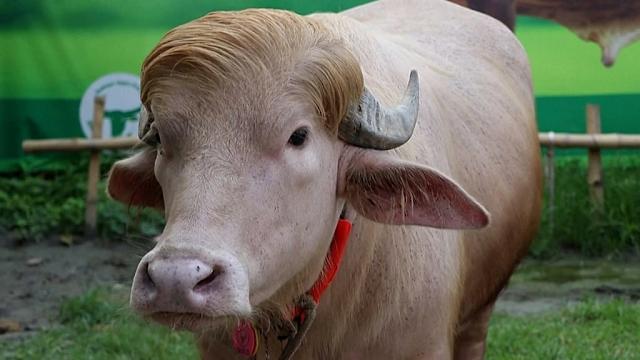
“People who visited the farm after seeing the animal online have validated the global buzz, confirming that the beast’s golden coat and unusual hair structure really do look like Trump.” – (Context Synthesis)
The Heavy Burden of Digital Fame
However, celebrity status has come at a physical cost for the rare mammal. Due to its albino condition—caused by exceptionally low melanin production—the buffalo requires meticulous maintenance, including being washed and brushed several times a day before visitors arrive.
The constant stream of public attention and resulting disruption to its routine have caused noticeable weight loss for the animal. In response to these health concerns, Mridha has recently been forced to restrict public viewing hours to protect the beast’s well-being.
Fast Facts: The Eid Livestock Phenomenon
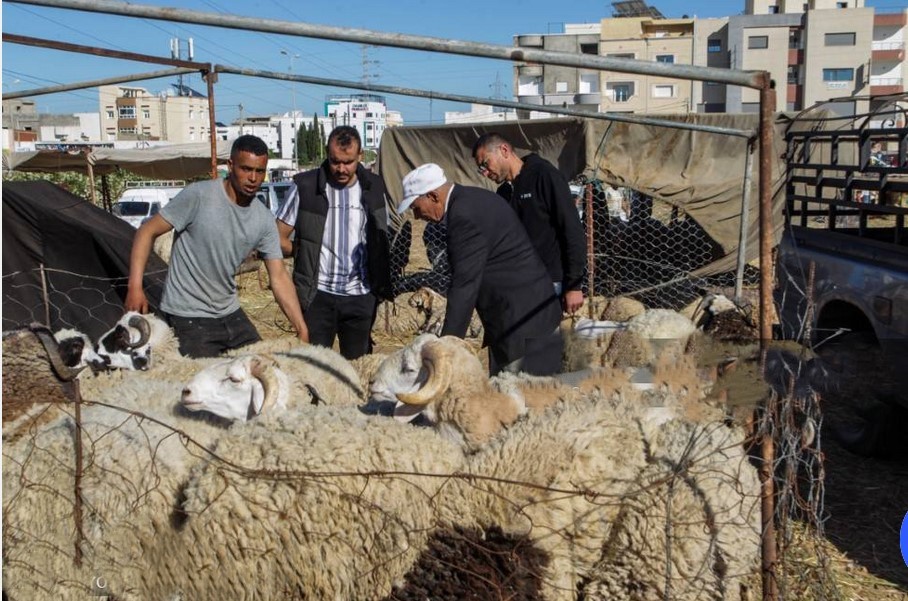
- Sacrificial Volume: Bangladesh expects more than 12 million animals to be sacrificed during the upcoming Eid al-Adha religious observances.
- Public Scrutiny: This massive seasonal demand explains why livestock farms across the region experience intense public and commercial interest at this time of year.
- The Ultimate Paradox: The narrative contains a poignant emotional tension, balancing the animal’s temporary status as a pampered digital celebrity with its eventual religious sacrifice.
The Power of the Modern Attention Economy
This viral phenomenon underscores how rapidly the modern digital space can commodify local occurrences into global discourse. By using world leaders’ names as shorthand for humour and physical traits, internet users have turned a traditional religious preparation exercise into a masterclass in digital engagement.

The Social Call-to-Action (CTA)
What are your thoughts on how social media can turn everyday livestock into global political caricatures? Share your views in the comment section below or join the conversation on NTA’s official social media platforms – NTANetwork on X (Twitter, Facebook,Instagram and TikTok