

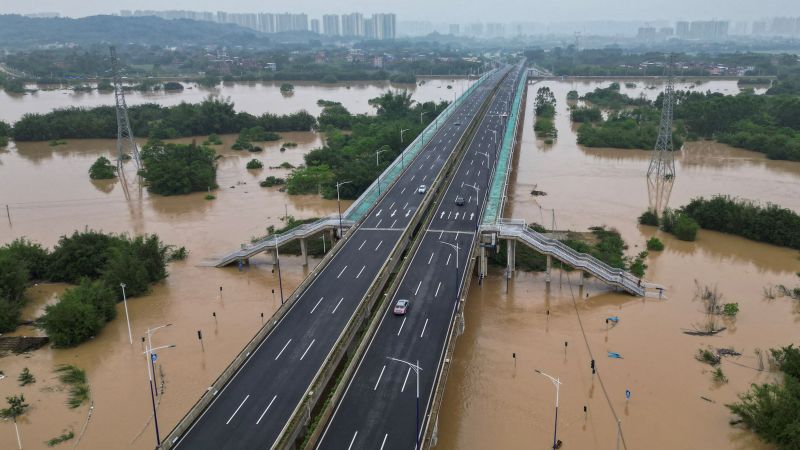
As Nigeria actively scales up its domestic ecological intervention programmes ahead of the peak rainy season, a devastating environmental crisis in Asia offers a sobering reminder of nature’s unpredictable power against modern infrastructure. Catastrophic flash floods and torrential downpours across central and southern China have claimed at least 22 lives and left 20 others missing, marking the country’s most intense storm system of the year so far.
Torrential Storms Submerge Multiple Provinces
The disaster, triggered by an intense weather system that began over the weekend, has rapidly transformed from a severe weather event into a mass casualty crisis. The worst-hit areas span across the interior provinces of Hunan, Guangxi, Guizhou, and Hubei, illustrating the vast geographic scope of the storm system.

State media reports indicate that the downpours intensified with record-breaking speed, completely overwhelming municipal drainage systems. In Hunan province alone, authorities have confirmed five deaths and 11 missing persons, while neighboring Hubei province has recorded three fatalities and four citizens missing.
Mass Evacuations and Infrastructure Collapse

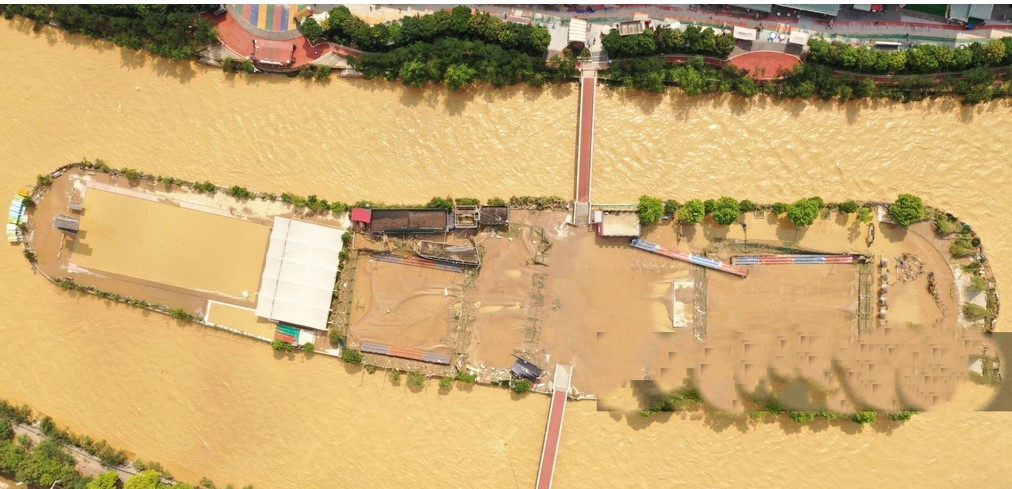

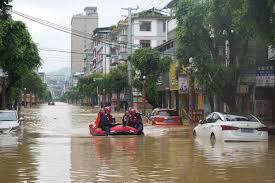
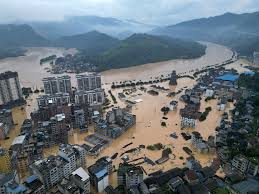
The rapid rise of water levels forced the emergency evacuation of roughly 24,000 residents from their homes as major rivers overflowed their banks. Raging torrents cut through the mountainous interior terrain, triggering widespread landslides and slope failures that collapsed homes and blocked vital transport networks.
“China’s latest storm shows how extreme rainfall can rapidly turn from a weather event into a mass casualty disaster, especially in mountainous interior provinces with high population exposure.” (Context Synthesis)
In response to the mounting devastation, authorities have suspended schools and workplaces in the most severely impacted zones. Emergency response teams have been deployed alongside critical relief funds to manage the immediate humanitarian fallout. However, previous disaster patterns in these regions highlight a recurring vulnerability in power grids, telecommunications, and rail links, all of which have suffered extensive damage.
The Global Climate Reality
China faces a compounding risk of recurring flood disasters due to its massive river systems, rapid urbanisation, and dense population centers. Yet, the sheer scale of the current destruction demonstrates that even highly advanced, sophisticated flood-control infrastructure can be bypassed by climate-linked extreme weather events.
This international crisis underscores a shared global challenge that resonates deeply with Nigeria’s ongoing battle against seasonal flooding, emphasizing the urgent need for adaptive, climate-resilient engineering worldwide.
Fast Facts: China Flood Disaster Profile
| Impact Metric | Current Assessment Status |
| Confirmed Fatalities | At least 22 individuals deceased |
| Missing Persons | 20 citizens unaccounted for |
| Displaced Population | Approximately 24,000 residents evacuated |
| Primary Impact Zones | Hunan, Guangxi, Guizhou, and Hubei provinces |
| Critical Infrastructure Hit | Housing, roads, farmland, power, and rail links |
The Social Call-to-Action
As global weather patterns become increasingly severe, what structural policy changes must Nigeria implement to protect our own vulnerable communities from sudden flood disasters? Share your views and join the conversation on NTA’s official social media platforms using the hashtag #NTANetwork on X, Faceboo, YouTube and Instagram.