

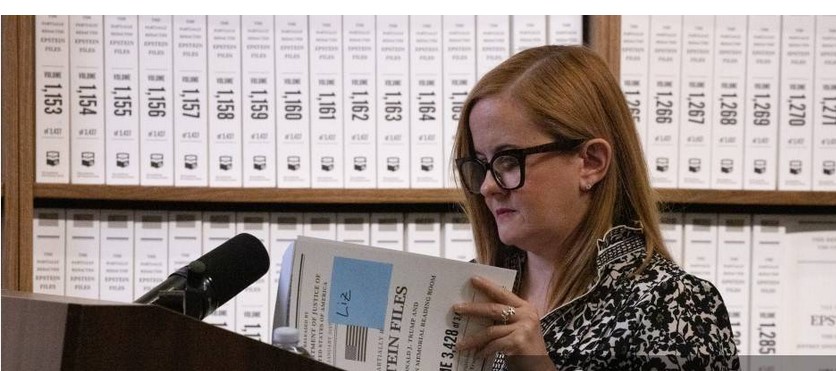
A remarkable global campaign against elite impunity has captured international attention. In a uncompromising display of public defiance, abuse survivors and civil society advocates in the United States have launched a marathon, live-streamed assault on state secrecy.

Breaking the Silence in Tribeca
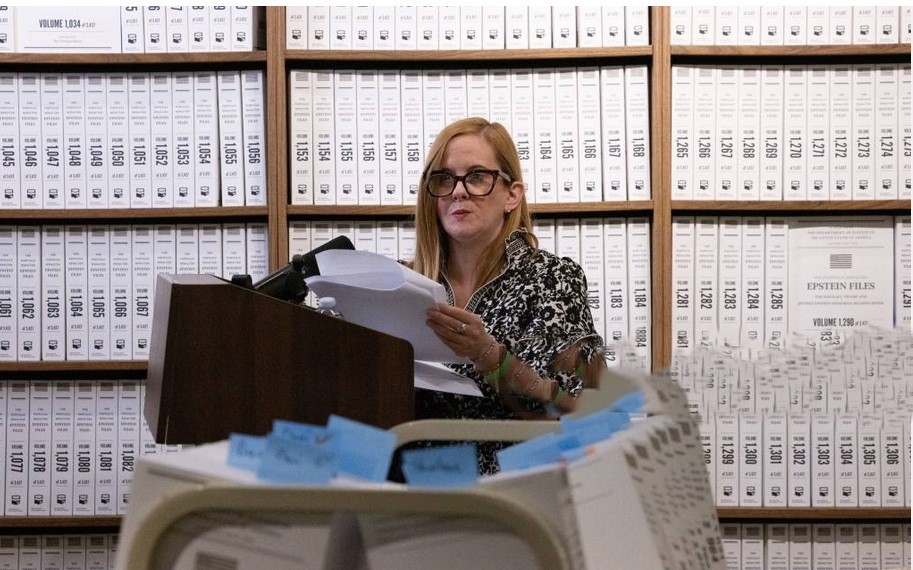
In the Tribeca neighbourhood of Manhattan, New York, an activist-led coalition commenced an uninterrupted 24-hour reading of the unsealed Jeffrey Epstein investigative files. The event, titled “Cover to Cover-Up,” began on May 18 and concluded on May 19, 2026. Staged as a direct protest against systemic concealment, the initiative seeks to force global attention back onto the evidence of high-level complicity and the individuals harmed by Epstein’s abuse network.

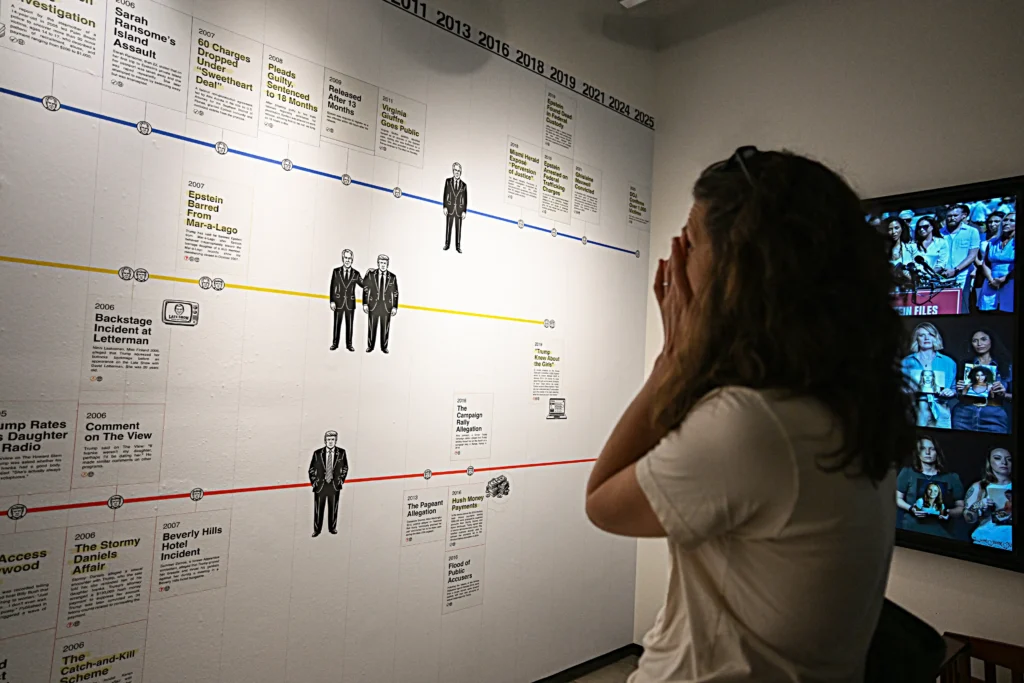
The operation was conducted from a pop-up exhibition space provocatively branded the “Donald J. Trump and Jeffrey Epstein Memorial Reading Room.” Organized by the Save America Movement, the event transformed complex judicial bureaucracy into raw performance art. Activists, lawyers, and public commentators took turns at the podium to keep the details of the case firmly within the public eye.
The Voices of the Survivors
The live-streamed broadcast explicitly centered the testimonies of those who suffered at the hands of the sex-trafficking network. Prominent survivors, including Liz Stein and Sharlene Rochard—the latter now a dedicated legislative advocate—anchored the reading segments. Their public presentation aimed to honour fellow survivors, such as Maria Farmer and Jena-Lisa Jones, while ensuring the underlying truths of the case are not permanently buried by administrative neglect.

High-profile political figures also joined the demonstration to amplify the demand for institutional transparency. George Conway, a candidate in the Democratic primaries for New York’s 12th Congressional District, was among the notable guests who stood before the cameras to read directly from the unsealed court records.

Fast Facts: The 2026 Epstein Document Disclosures
- The Mass Release: On January 30, 2026, the United States Department of Justice released millions of pages of documents, thousands of videos, and a massive image archive following years of intense legal battles.
- The Redaction Problem: Despite the unprecedented volume of data, critical segments of the files remain heavily redacted or obscured, shielding powerful entities from full public scrutiny.
- The 24-Hour Symbolism: Organisers acknowledged that a 24-hour period could only cover a minute fraction of the massive file set; the format was chosen to dramatise the immense scale and urgency of the ongoing cover-up.
Performance Art as Political Weapon
By choosing a venue named after prominent elite figures, the organisers intentionally generated a highly charged political atmosphere designed to provoke public outrage. The event highlights a growing global phenomenon where formal legal documents are weaponised as protest theatre to bypass traditional media gatekeepers.
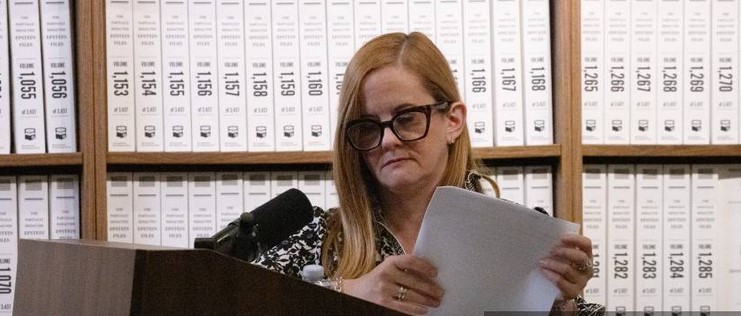
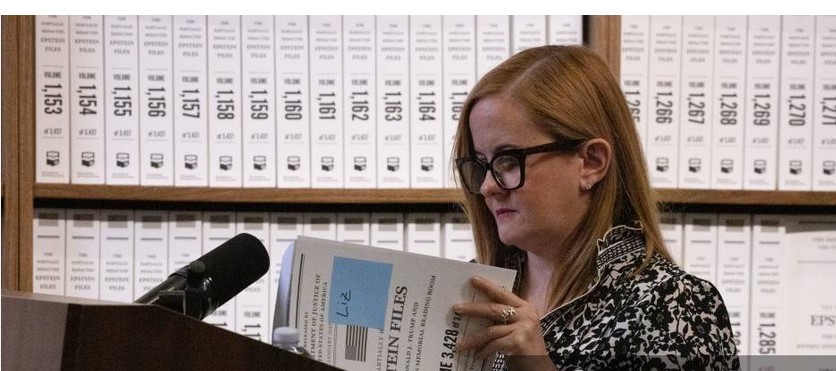
“Survivors and allies turned the Epstein files into a 24-hour public reading to demand accountability, challenge official redactions, and keep the global abuse scandal from fading back into convenient silence.” (Context Synthesis)
This demonstration underscores the limitations of institutional “public releases” when heavy redactions still dictate what the public is allowed to perceive. For observers worldwide, the New York filibuster serves as a masterclass in how citizens can collectively reject institutional amnesia and demand absolute transparency from the state.
The Social Call-to-Action (CTA)
How can citizens and digital media platforms better cooperate to expose institutional secrets and protect the vulnerable from systemic abuse? Share your views in the comment section below or join the debate on NTA’s official social media platforms.