
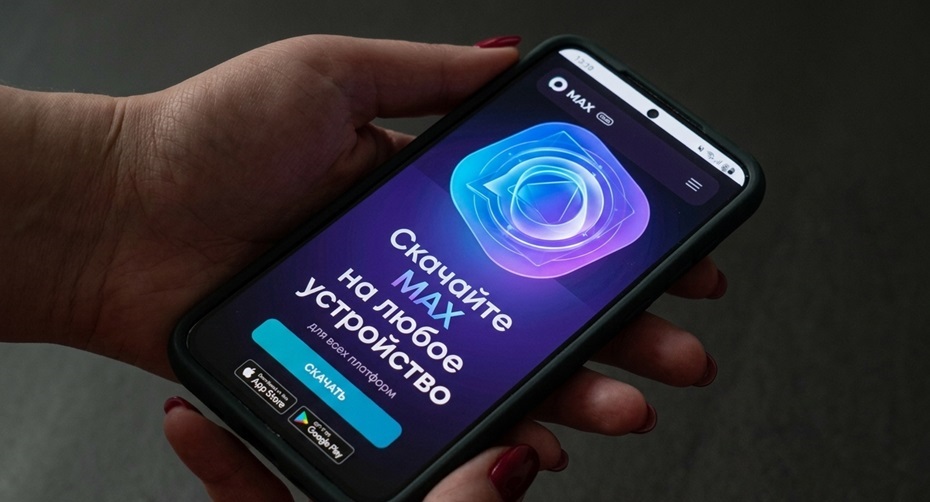
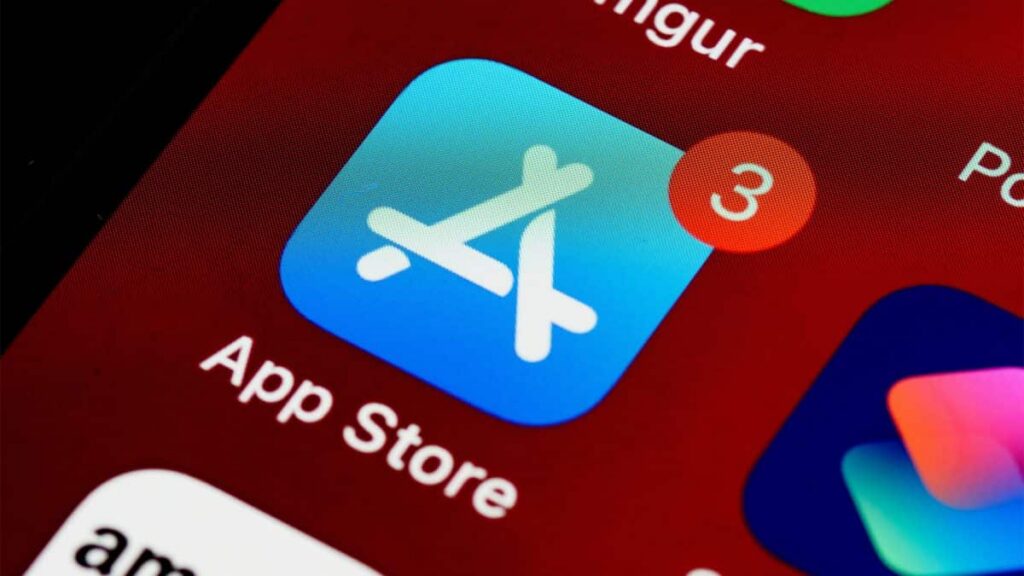
As Nigeria accelerates its national drive toward digital independence and robust local content enforcement, a high-stakes geopolitical confrontation in Silicon Valley has sent shockwaves through the global tech ecosystem following Apple’s abrupt removal of Russia’s state-backed “super app,” MAX, from its global App Store.
The Takedown and the Digital Fallout
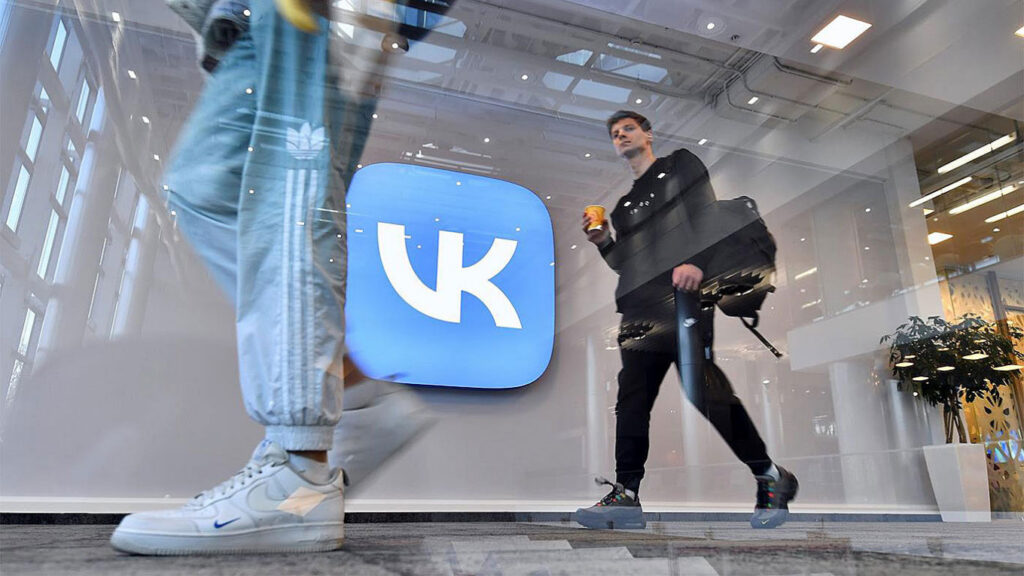
Reports emerging between June 2 and 3, 2026, confirmed that MAX—the Kremlin-promoted domestic alternative to WhatsApp and Telegram—had completely vanished from iOS search results, with direct download links returning availability errors. Built by the state-controlled tech giant VK, the application serves as a cornerstone of Russia’s “sovereign internet” strategy, boasting over 18 million downloads by late 2025.

While previously installed versions of the application continue to function normally on user devices, Apple has remained tight-lipped, offering no public comment regarding the definitive reason for the purge. In response, MAX’s press service announced that it has demanded official clarification from the iPhone maker while aggressively pivoting its user base toward domestic marketplaces like RuStore and several Android OEM outlets.
Why the ‘Super App’ Framework Matters
MAX is far more than a simple chat platform; it is a highly integrated digital ecosystem combining text communication, video calls, financial money transfers, and planned everyday utilities like travel booking. The Russian government had recently mandated that this domestic app infrastructure be pre-installed on all compatible smartphones sold within the country to insulate its citizens from western platform dependencies.
Critics argue that such centralised, state-aligned applications give authorities sweeping powers to monitor citizen communications and enforce compliance. Conversely, state media outlets maintain that the platform is a secure, privacy-focused alternative designed explicitly to shield domestic users from external digital embargoes and foreign surveillance.
Strategic Lessons for Nigeria’s Tech Ecosystem
For Nigeria, this sudden decoupling offers a profound cautionary tale regarding data sovereignty and digital infrastructure resilience. Relying exclusively on foreign technology monopolies leaves local digital public infrastructure deeply vulnerable to unilateral international policy shifts or sudden geopolitical sanctions.

NITDA has issued formal standards and guidelines for government websites.
Nigeria also has a broader data-protection and data-governance framework, including public-institution rules for handling personal data and newer data-localization-oriented requirements for certain categories of sensitive data.
NITDA’s newer framework, as reported, encourages or requires some categories of sensitive data to be stored within Nigeria, especially in sectors like government, finance, and healthcare
“The unilateral removal of national applications by foreign tech monopolies underscores the urgent need for developing nations to sanitise, secure, and localise their digital architecture. True digital sovereignty means ensuring that your critical communication channels cannot be switched off by a corporate board meeting in Silicon Valley.”
— Context synthesis by Author
Fast Facts: The Global Battle for App Autonomy
| Tech Parameter | Details and Current Status |
| The Target App | MAX, a Russian state-backed “super app” developed by VK to replace WhatsApp. |
| The Disruption | Sudden global removal from the Apple App Store; search queries return error messages. |
| Current Scale | Surpassed 18 million downloads by August 2025, heavily backed by mandatory pre-installation laws. |
| Alternative Routes | Still accessible via RuStore, Google Play, Huawei AppGallery, and direct web downloads. |
| Nigerian Policy Alignment | The Standards Guidelines for Government Websites by NITDA mandates 100% local hosting for government platforms to prevent foreign vulnerabilities. |
The Social Call-to-Action (CTA)

Should Nigeria fast-track the creation of its own national communication applications and indigenous app stores to completely protect our data sovereignty? Share your views in the comment section below or join the debate on NTA’s official X and Facebook platforms using the hashtag #NTADigitalSovereignty.