
From a proposed $4.2 billion commercial investment plan to wider debates over governance and football’s future, Infantino’s FIFA presidency faces renewed scrutiny.
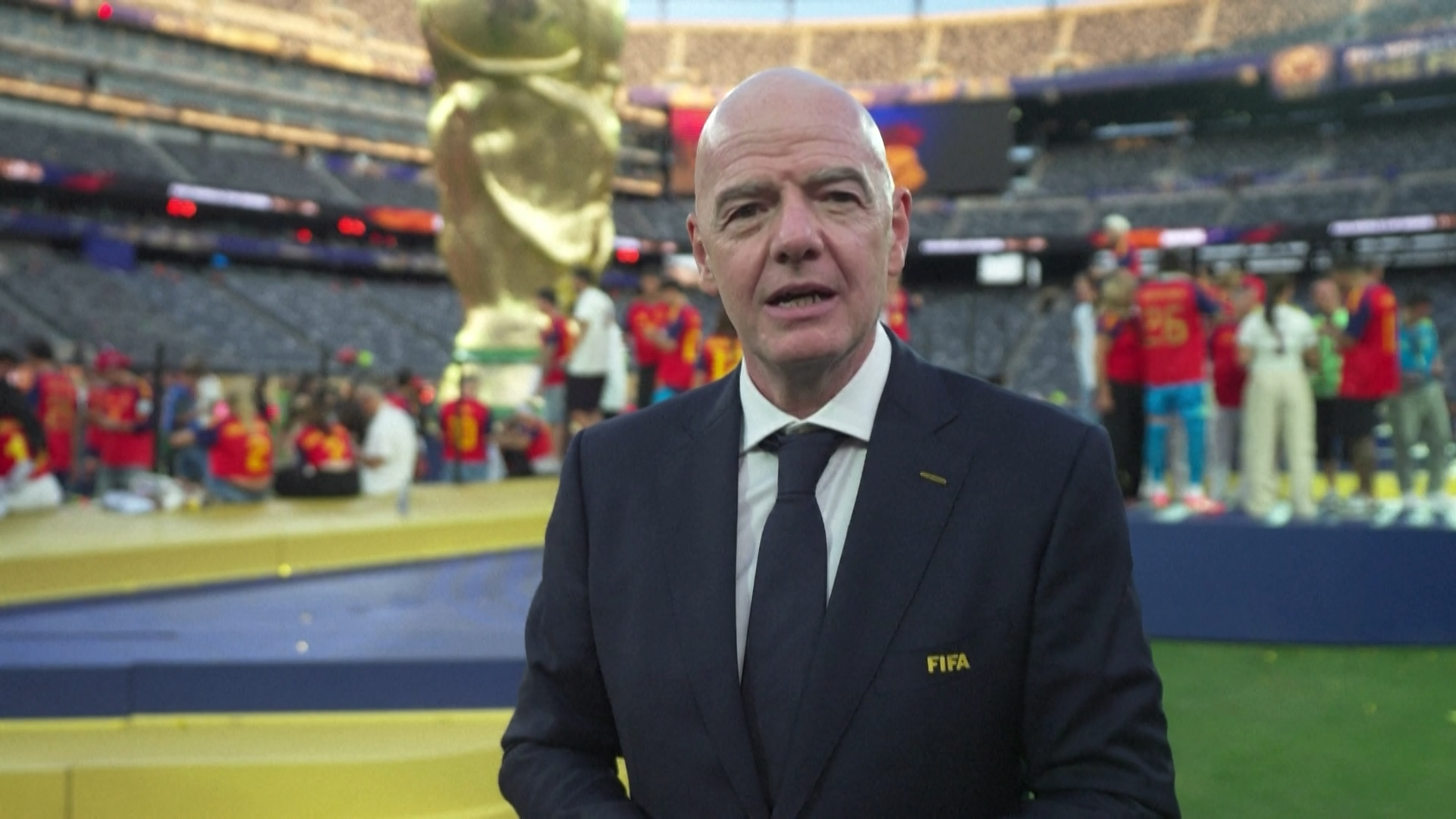
Gianni Infantino’s leadership of FIFA is facing fresh questions as the world football governing body deals with growing controversy and internal tensions. From debates over commercial decisions to wider concerns about transparency and governance, the FIFA president’s latest emergency meeting has brought renewed focus on the challenges confronting the organisation.
Before becoming FIFA president in 2016, Gianni Infantino built a long career in football administration and sports governance. He began his professional journey as legal counsel and general secretary at the International Centre for Sports Studies in Neuchâtel, Switzerland, where he developed expertise in sports law and management.
In 2007, he became UEFA’s deputy general secretary before rising to the role of general secretary in 2009. During his time at UEFA, Infantino played a key role in overseeing the organisation’s legal framework, commercial operations and relationship with European clubs, experiences that eventually positioned him as a leading figure in global football administration.
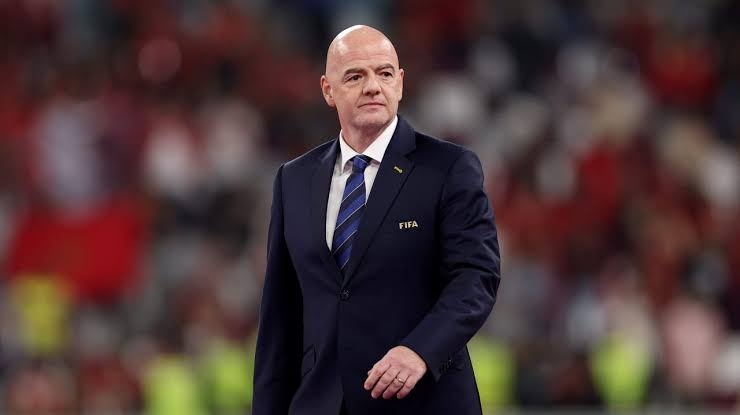
Why Is Gianni Infantino Facing Heat?
Gianni Infantino has come under renewed scrutiny following FIFA’s decision to explore — and later shelve — a controversial proposal to sell minority commercial stakes in a newly created event-management subsidiary, FIFA Forward Enterprise (FFE).
The FIFA Forward Enterprise (FFE) was a short-lived and highly controversial commercial initiative proposed by FIFA in late July 2026. The project aimed to establish a $20 billion private company that would manage the commercial and operational rights to major tournaments such as the World Cup. The plan included selling up to a 20% minority stake in the new entity to private equity investors, sparking debate and criticism within the football community.
The commercial consolidation was designed to bring together broadcast rights, sponsorships, ticketing, and event operations under a dedicated business subsidiary. The funding boost aimed to raise billions of dollars, allowing FIFA to significantly scale up its Forward development funding for member associations. Despite plans for outside financial investment, FIFA maintained that it would retain overall regulatory and sporting control of its competitions.
The reported $4.2 billion proposal was designed to attract outside investment into FIFA’s commercial operations, but it quickly triggered opposition from several stakeholders. UEFA, fan groups and regional football confederations raised concerns about the potential impact of the plan, with critics questioning whether the move represented an excessive commercialisation of football’s biggest competitions, including the World Cup.
The backlash highlighted wider debates about FIFA’s future direction under Infantino’s leadership, particularly around how the organisation balances revenue growth with the interests of national associations, clubs, players and supporters.
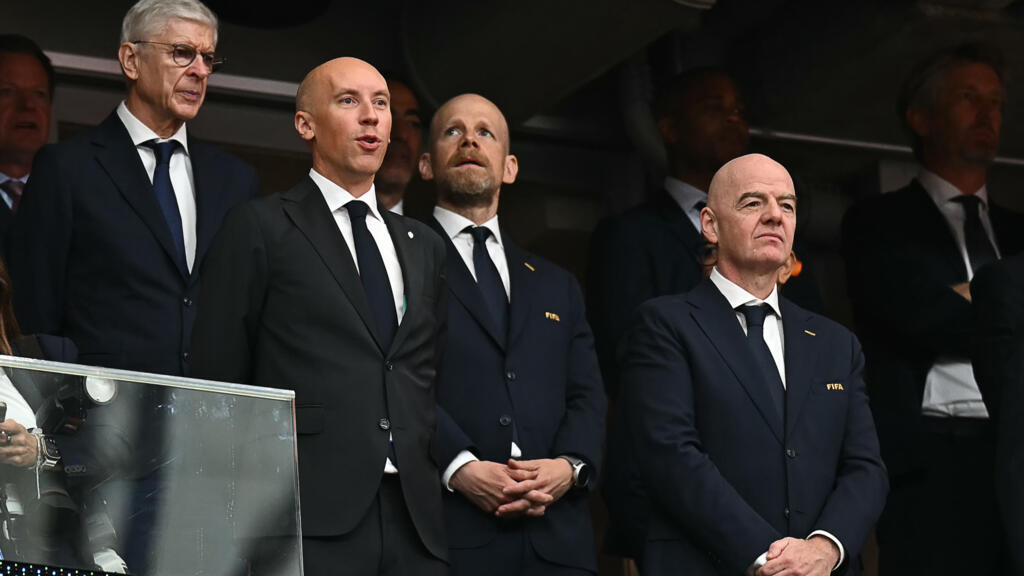
One of the biggest points of criticism was the perceived lack of consultation with key stakeholders before the plan was introduced. Major confederations, including UEFA and CONCACAF, strongly opposed the proposal, arguing that such a significant decision had been developed without sufficient involvement from football’s wider community. Critics questioned whether the process reflected the principles of transparency and collective decision-making expected from global football’s governing body.
The backlash highlighted a broader tension within FIFA — balancing the organisation’s ambition to increase commercial revenue with concerns from federations, clubs, supporters and other stakeholders about how major decisions affecting the sport are made.
As FIFA President, Gianni Infantino’s influence is anchored in a global coalition of developing member associations, strengthened by financial initiatives like the FIFA Forward program, which provides development funding. Infantino expanded the reach of this aid to smaller member states across Africa, Asia, Oceania, and the Caribbean, fostering goodwill and support.
The “one-nation, one-vote” system at the FIFA Congress—where every national federation has an equal vote—ensures that grassroots and developing countries collectively hold significant power, serving as a numerical counterbalance to traditional football powerhouses and safeguarding their interests. Leaders within the Confederation of African Football (CAF) and parts of Asia have historically championed Infantino for democratizing global access and funding, a source of strong loyalty that he has been able to rely on.
What Happens Next for FIFA and the Leadership Race?
The resignation of senior adviser Carlos Cordeiro, along with a forceful public statement from chief operating officer Kevin Lamour criticizing FIFA President Gianni Infantino’s controversial plan to sell stakes in future World Cup profits, has significantly weakened Infantino’s internal grip on power. In response, Infantino is currently holding crisis talks in Morocco, aiming to mend fractured relationships with global confederations ahead of upcoming youth tournaments.
Attention is now shifting to the FIFA presidential election set for March 2027, during the 77th FIFA Congress in Rabat, Morocco. For the first time in over a decade, Infantino faces the prospect of formidable high-level challenges. Despite this, he has announced his intention to seek re-election for a final four-year term, which would extend his leadership through 2031.