
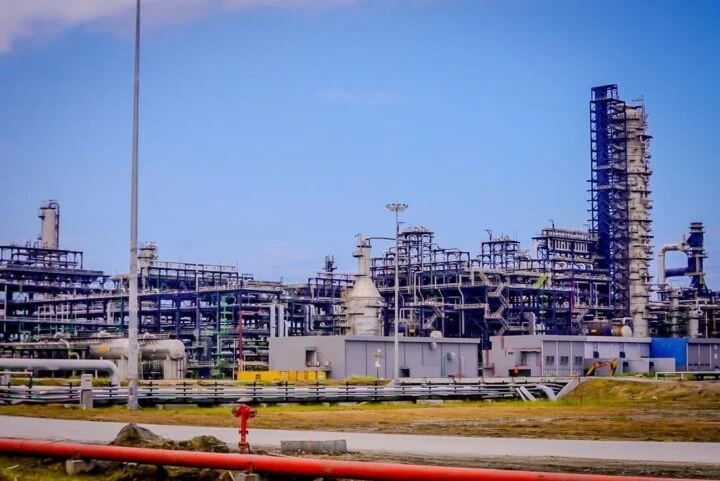
Dangote Refinery’s planned IPO could reshape Nigeria’s energy and capital markets, providing fresh funding for expansion while creating opportunities for domestic investors and potentially reducing the country’s dependence on imported refined petroleum products.
The planned Initial Public Offering of the Dangote Petroleum Refinery is more than a major stock-market transaction; for Nigeria, it could mark a significant new chapter in the country’s economic and industrial development. Aliko Dangote said on Thursday that the IPO would open within 10 to 12 days, with the offering now expected to come to market on September 14. While the refinery had previously targeted about $5 billion from the listing, the latest reported terms indicate an offering of approximately $1.5 billion at ₦525 per share, with a 15% greenshoe option that could allow additional funds to be raised if demand exceeds the initial offer.
The transaction is expected to rank as Africa’s largest IPO and will help fund plans to more than double the refinery’s capacity from 650,000 barrels per day to 1.4 million barrels per day. But the wider significance for Nigeria extends beyond the size of the capital raise. A successful expansion could strengthen domestic refining capacity, reduce reliance on imported petroleum products, support foreign-exchange savings and potentially position Nigeria as a larger supplier of refined fuels to regional markets.
For decades, Nigeria remained heavily dependent on imported petrol, diesel and other refined petroleum products despite being one of Africa’s major crude-oil producers. The country’s ageing refineries struggled to operate consistently at levels sufficient to meet domestic demand, leaving the economy exposed to global fuel prices and placing additional pressure on foreign-exchange reserves. The Dangote Refinery is beginning to alter that dynamic. With a nameplate capacity of 650,000 barrels per day and output tested at around 700,000 barrels per day, the facility has the capacity to process a significant volume of crude domestically.
The economic significance lies in what higher domestic refining could mean for Nigeria’s fuel import bill. As more crude is processed locally, the country could reduce its need to spend foreign currency importing finished petroleum products, while surplus production can be sold into international markets. The shift is already becoming visible in Nigeria’s trade flows, with seaborne petroleum-product exports increasing sharply since the Dangote refinery began ramping up production.
For Nigeria, that creates a potentially valuable two-way benefit: retaining more value from its crude through domestic processing while generating additional foreign-exchange earnings from refined-product exports. If the refinery’s planned expansion to 1.4 million barrels per day is achieved, the impact on domestic supply and regional fuel trade could become considerably larger.

The economic benefits could extend well beyond the fuel market. A refinery of Dangote’s scale supports a broad network of businesses involved in transportation, shipping, engineering, maintenance, logistics, finance and other industrial services. As the facility expands, higher production volumes could create additional demand across these areas, providing opportunities for Nigerian companies to participate in its supply chain and supporting the creation of jobs around the wider industrial complex.
The petrochemical side of the business could also deepen the refinery’s impact on domestic manufacturing. Dangote’s polypropylene plant has a capacity of 830,000 tonnes per year and produces grades used in packaging, automotive components, healthcare products, textiles and consumer goods.
This creates the potential for the refinery complex to serve as more than a source of petroleum products. By supplying both energy and industrial raw materials, it could support the development of a broader manufacturing ecosystem in Nigeria, allowing more value to be captured locally across the refining, petrochemical and downstream supply chains.
The IPO could also change how Nigerians participate in one of the country’s most strategically important industrial assets. Dangote Refinery’s management has described the planned listing as a “people’s IPO,” reflecting an intention to encourage broad participation from Nigerian investors and give them an opportunity to share in the company’s growth.
For the Nigerian capital market, the listing could bring a major energy company into public ownership while creating another large investment opportunity for pension funds, institutional investors and retail shareholders. It could also help deepen participation in the equities market by attracting investors who may otherwise have limited exposure to large-scale industrial assets.
The refinery has already demonstrated its ability to attract significant private capital. In July, a Dangote executive confirmed that the company had raised $2.5 billion through a private placement to strengthen its financing structure, support expansion and increase its presence in domestic and export fuel markets.
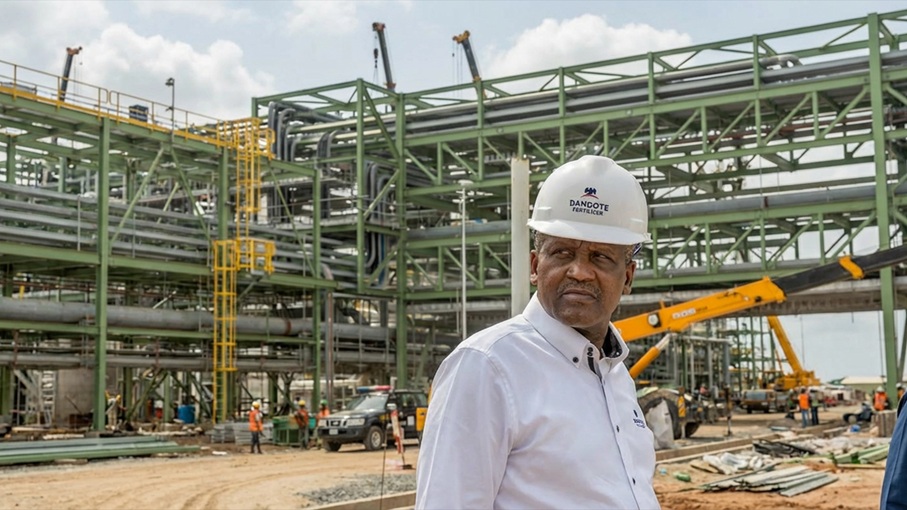
The planned public offering therefore represents the next stage in that financing strategy. If successfully executed, it could broaden the refinery’s investor base while providing additional capital for expansion, potentially aligning the interests of the company, institutional investors and ordinary Nigerians around the long-term growth of one of Africa’s largest refining businesses.
There are, however, significant issues that investors and policymakers will need to monitor as the refinery moves towards its IPO and planned expansion. One of the most important is crude supply. Although Dangote Refinery has increased its purchases of Nigerian crude, the facility has also relied on imported feedstock, highlighting the challenges around domestic crude availability, pricing and supply agreements. For a refinery operating at such a large scale, the cost and reliability of crude directly affect operating economics and refining margins, making feedstock security a key consideration for investors.
For Nigeria, the bigger challenge will be ensuring that the refinery’s growth generates benefits across the wider economy rather than remaining an isolated industrial success. Reliable infrastructure, competitive local suppliers, skilled Nigerian workers and clear regulatory policies will be important in determining how much value the country captures from the project. As capacity expands, strengthening these supporting systems could help translate the refinery’s scale into broader gains for manufacturing, employment, logistics and government revenues.
Ultimately, the success of the project will depend not only on how much the refinery can produce, but also on how efficiently it can secure crude, operate at scale and connect with the wider Nigerian economy. For investors, those factors will be central to assessing whether the refinery’s ambitious expansion plans can translate into sustainable long-term returns.