
Compiled BY: Malami Haruna Dogon daji
A seismic shift in the global technology landscape has completely rewritten the rules of enterprise software development. Space exploration giant SpaceX has officially filed with the United States Securities and Exchange Commission (SEC) to acquire Anysphere, Inc., the parent company behind the world’s premier AI coding platform, Cursor, in a staggering $60 billion deal.
A Record-Breaking All-Stock Merger
According to regulatory filings released on Tuesday, 16 June 2026, the transaction will be executed as a comprehensive all-stock merger. Under the terms of the agreement, Cursor will become a wholly owned subsidiary of SpaceX, with the transaction expected to close officially in the third quarter of 2026. Shareholders of Anysphere will receive SpaceX Class A common stock based on an implied equity valuation of $60 billion.
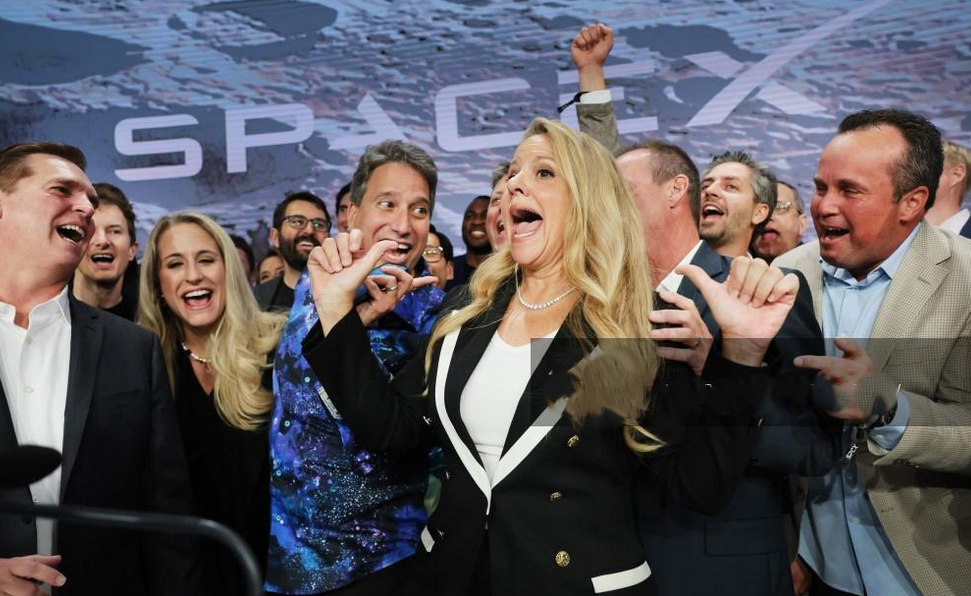
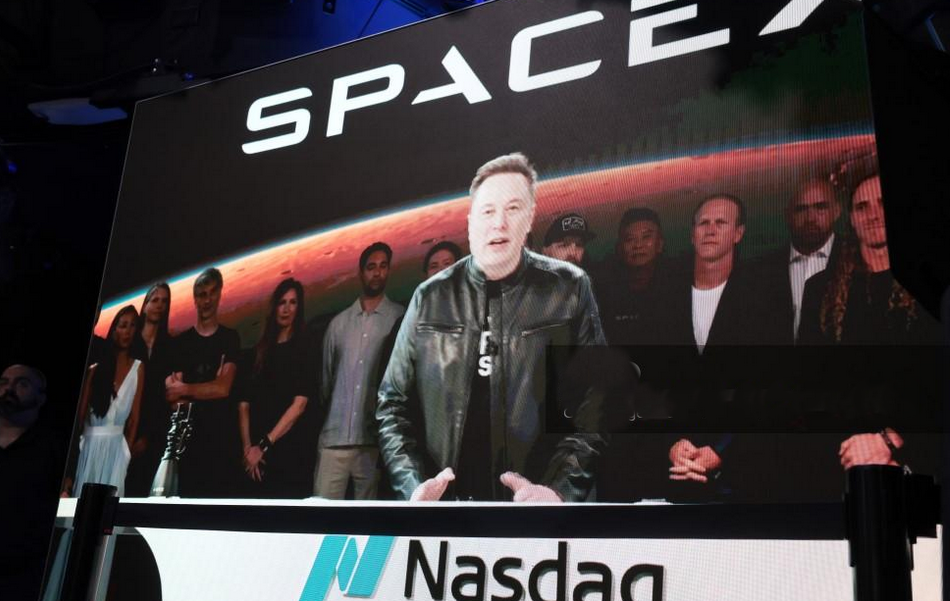
This massive corporate acquisition comes just days after SpaceX completed the largest Initial Public Offering (IPO) in financial history. Listing on the Nasdaq under the ticker symbol SPCX, the rocket manufacturer raised between $75 billion and $86 billion, pushing its post-IPO market valuation well beyond the $2 trillion mark. SpaceX has now exercised a strategic option originally negotiated during an initial corporate partnership in April 2026.
Consolidating the Musk AI Empire
The acquisition represents a highly aggressive move by Elon Musk, widely reported as the world’s first trillionaire, to consolidate his expanding artificial intelligence ambitions. SpaceX recently integrated Musk’s dedicated artificial intelligence venture, xAI—which includes the prominent social media network X (formerly Twitter)—into its broader corporate portfolio.
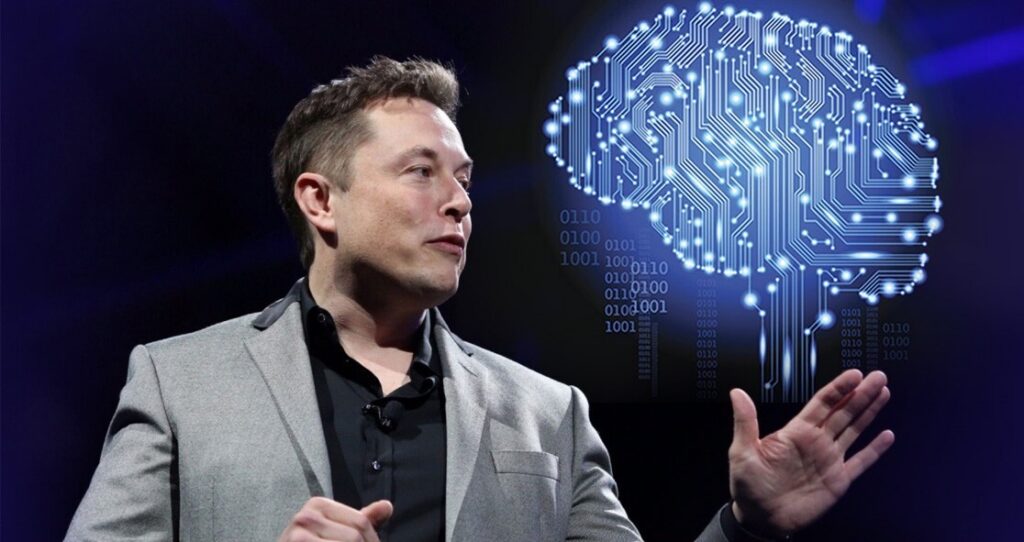
By bringing Cursor into the fold, SpaceX intends to pair the startup’s advanced code-generation tools with “Colossus,” the world’s largest AI training supercomputer. Developed by xAI in Memphis, Tennessee, the Colossus infrastructure will provide the computational muscle required to scale Cursor globally. This structural alignment allows SpaceX to compete aggressively against enterprise software tools backed by OpenAI and Anthropic.
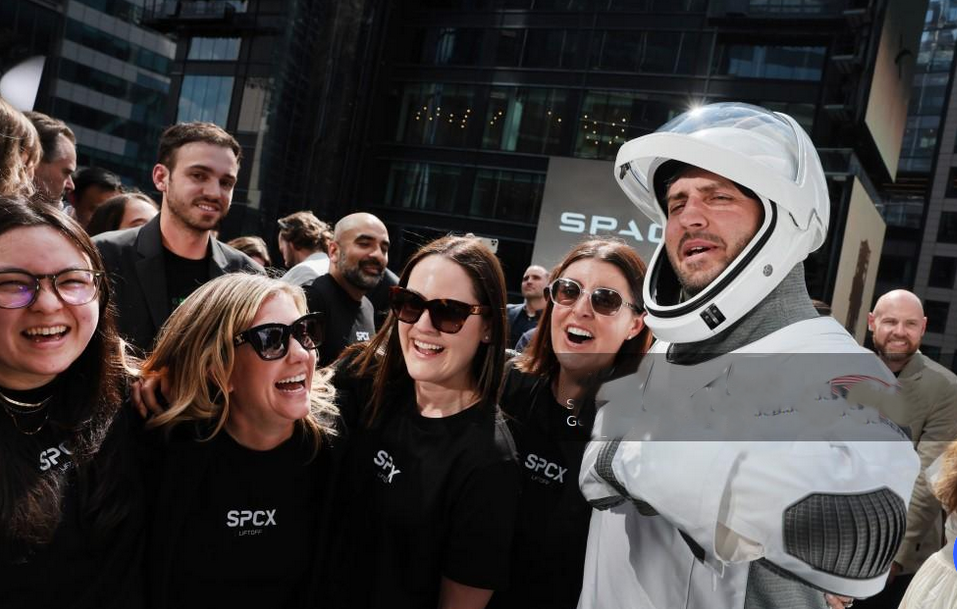
“With SpaceX projecting an ultimate addressable market of $26 trillion within the global artificial intelligence sector, this acquisition secures absolute control over the foundational tools used to build modern software.” Context Synthesis
Fast Facts: The SpaceX-Cursor Deal
| Parameter | Details | Source |
|---|---|---|
| The Target | Anysphere, Inc. (Cursor), founded in 2022 by four MIT students in San Francisco, specialising in AI-native “vibe coding” environments. | |
| The Parent | SpaceX, founded in 2002 by Elon Musk; recorded a 2025 revenue of $18.7 billion. | |
| The Infrastructure | Full integration with the Memphis-based Colossus supercomputer, built by xAI to train next-generation models. | |
| The Financials | Implied transaction value of $60 billion, shifting entirely through SpaceX Class A stock rather than cash payments. |
Strategic Implications for Nigeria’s Digital Economy
For Nigerian software engineers, tech hubs, and digital startups—many of whom increasingly rely on Cursor’s advanced code editor to build local applications—this consolidation signals a new era of hyper-centralised technology utilities. The concentration of advanced automation tools under a singular global superpower infrastructure emphasizes the urgent need for domestic digital self-reliance.
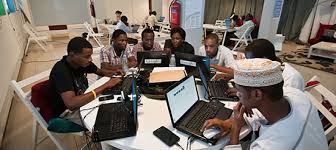
As the Federal Government continues to promote indigenous software creation through agencies like the National Information Technology Development Agency (NITDA), Nigerian developers must look closely at how global infrastructure changes affect local workflows. Access to these powerful AI tools remains critical, but relying on foreign corporate ecosystems highlights why Nigeria must build resilient, localized digital frameworks.
The Social Call-to-Action (CTA)
Share your thoughts on the future of AI-driven “vibe coding” with the NTA Department of Digital Innovation and Technology on X (formerly Twitter) and Facebook using #NTADigitalEconomy and #SpaceXCursor.