
The controversy surrounding the Presidential Foreign Intervention Promotion Council (PFIPC) has become one of Nigeria’s most talked-about governance stories—not simply because of allegations that the agency never legally existed, but because of the troubling questions it raises about the country’s public finance and oversight systems.
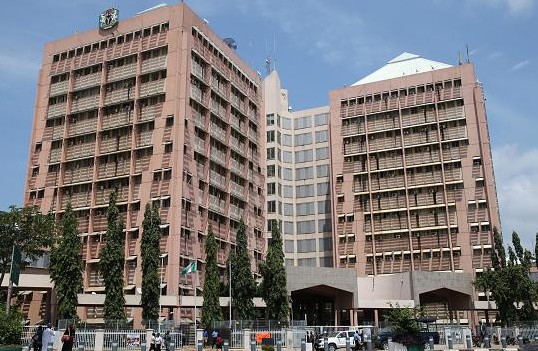
At the centre of the controversy is a startling discovery: the PFIPC, an entity the Presidency says was never established by law or executive approval, appeared in the 2026 Appropriation Act with a budgetary allocation of about ₦1.3 billion. The agency was also reportedly assigned office space within the Federal Secretariat in Abuja and allegedly operated as though it were a legitimate government institution.
President Bola Tinubu has since directed the Independent Corrupt Practices and Other Related Offences Commission (ICPC) to conduct a comprehensive investigation into the matter, while the House of Representatives has launched its own inquiry into how the council found its way into the national budget.
While criminal proceedings involving the alleged promoter of the PFIPC are already before the courts, the scandal has shifted public attention beyond individual allegations to a broader institutional question: How could a body the government now describes as fictitious move through several layers of official processes without being detected?
The Budget Is Only One Part of the Story
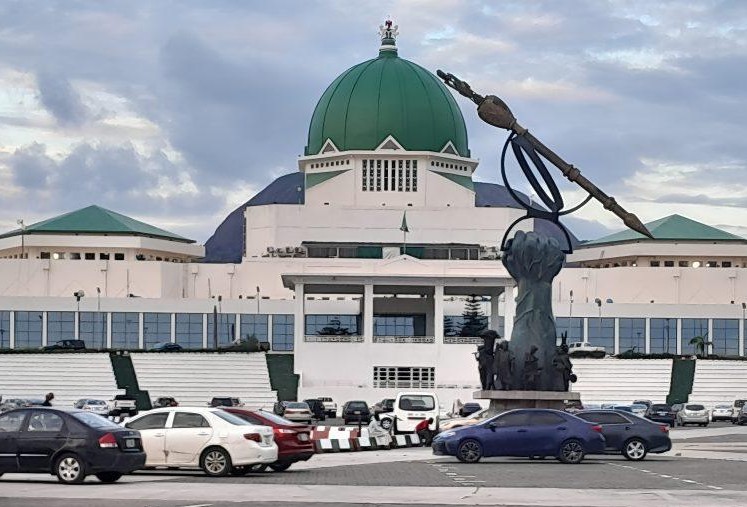
The appearance of the PFIPC in the 2026 budget has understandably shocked many Nigerians. However, experts note that inclusion in an appropriation law does not, by itself, create a government agency.
Under Nigerian law, ministries, departments, agencies and presidential councils are typically established through legislation, executive orders, constitutional provisions or other lawful executive instruments. A budget merely authorises spending; it does not confer legal existence on an institution.
That distinction has become central to the controversy.
The real question is no longer whether the PFIPC appeared in the budget—it did. The pressing issue is how it came to be listed in official budget documents if, as the Presidency maintains, it had no legal basis to exist.
Where Could the System Have Failed?

Nigeria’s annual budget passes through several stages before becoming law.
Government agencies submit proposals, the Budget Office compiles them into the Appropriation Bill, the Federal Executive Council considers the proposals before transmission to the National Assembly, lawmakers scrutinise and approve the estimates, and the President signs the Appropriation Bill into law.
The PFIPC controversy has therefore raised difficult questions about the safeguards built into each stage of that process.
How was the council captured in official budget documents? Were existing verification mechanisms bypassed, or did they fail? Could better coordination between government institutions have prevented the controversy?
These are among the issues lawmakers are now expected to examine as part of their investigation.
Why the Scandal Matters
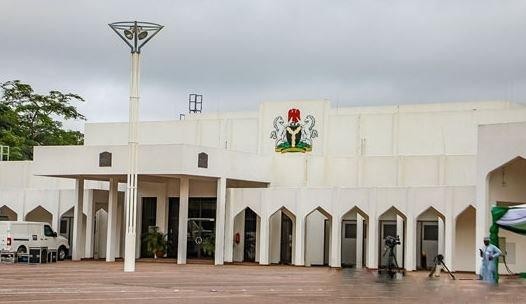
Public confidence in government institutions depends not only on accountability after problems emerge, but also on the strength of systems designed to prevent them.
The PFIPC controversy has renewed debate about whether existing checks within Nigeria’s public service are sufficient to verify official appointments, authenticate government correspondence and confirm the legal status of agencies before resources are allocated or administrative approvals granted.
Governance experts have long argued that stronger digital verification systems, improved record-sharing among government institutions and more rigorous due diligence could help reduce opportunities for fraud and impersonation.
While investigators work to establish what happened in this case, the controversy has highlighted the importance of strengthening institutional safeguards rather than relying solely on individual vigilance.
What Happens Next?
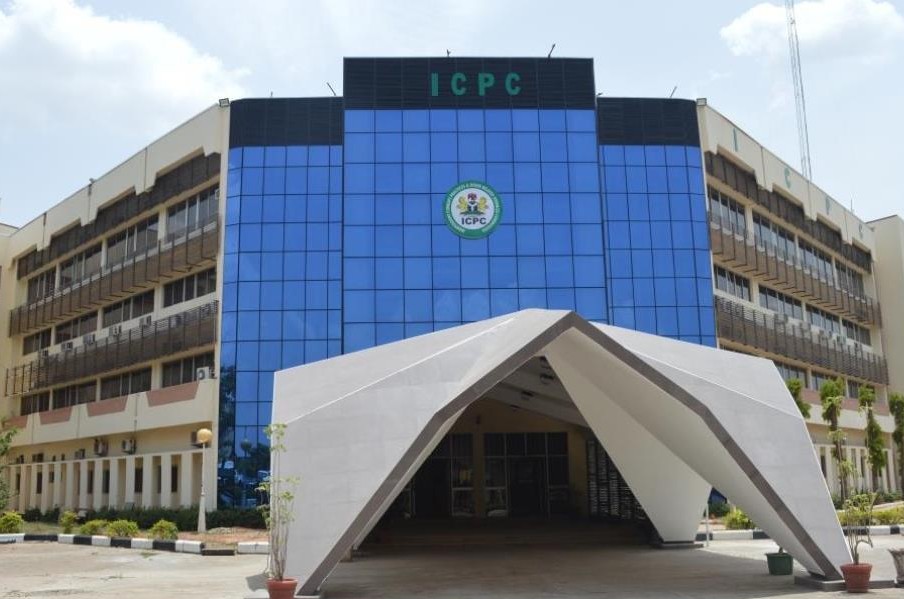
The ICPC investigation, the ongoing criminal proceedings and the House of Representatives’ inquiry are expected to shed more light on how the PFIPC came to appear within official government processes.
For many Nigerians, however, the biggest question is no longer whether the council existed. It is whether the country’s governance systems are robust enough to prevent similar incidents in the future.
The answers may ultimately determine whether the PFIPC scandal becomes remembered as an isolated case of alleged fraud—or as a catalyst for reforms aimed at strengthening transparency, accountability and public confidence in Nigeria’s institutions.