
The global trading system is facing its most sustained disruption in living memory, with growing challenges to established trade rules threatening to weaken living standards in an increasingly fragmented world, the World Trade Organization (WTO) warns.
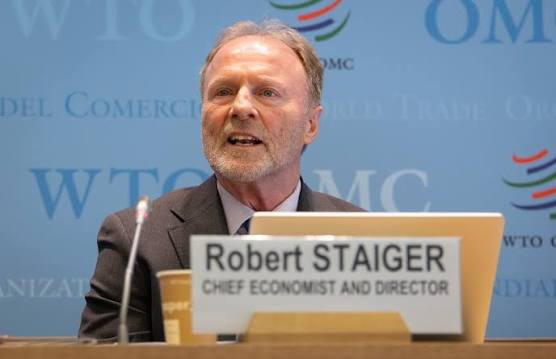
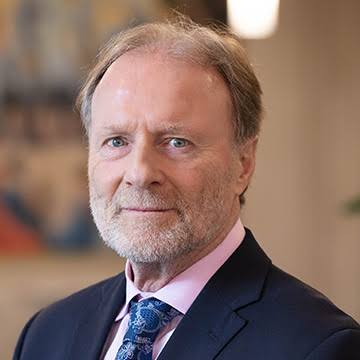
WTO chief economist Robert Staiger, speaking with AFP, said the nature of global trade is changing rapidly and that international rules must evolve alongside it. “The nature of trade is changing,” Staiger said. “The rules need to keep up with the way the world is changing.”
One of the clearest signs of the pressure is the growing use of tariffs. Staiger said new tariffs now cover about 11 percent of global imports, the highest level of coverage in more than 15 years. The WTO has also warned that trade policy uncertainty has reached unprecedented levels as governments increasingly turn to tariffs, subsidies, export controls and industrial policies. About 72 percent of global merchandise trade still takes place under the WTO’s non-discriminatory tariff terms, down from roughly 80 percent in 2022.
Despite those pressures, global trade has remained surprisingly resilient, partly because of the rapid expansion of digital commerce and artificial intelligence. Staiger noted that digitally delivered services have grown fivefold and now account for a major share of global services exports. The growth highlights how international commerce is moving beyond the traditional exchange of physical goods, with technology allowing an increasing range of services to be delivered across borders.
Artificial intelligence is also playing an important role in sustaining trade growth. The WTO says trade flows remained strong through 2025 and the first half of 2026, helped in part by the AI investment boom. Demand for AI-related equipment and infrastructure has created new international trade flows, but Staiger cautioned that the benefits are concentrated in a relatively narrow group of countries and sectors.
The resilience of trade has also been tested by a series of disruptions, including trade policy shocks, geopolitical tensions, flooding and interruptions to transport routes. Businesses have responded by adjusting supply chains and finding alternative markets and suppliers. But Staiger warned that the current resilience should not be mistaken for evidence that the underlying system is healthy. If the AI investment boom eventually slows, some of the trade growth it is supporting could also weaken.
The WTO is particularly concerned that growing geopolitical rivalry could divide the world economy into competing trading blocs. Its latest report estimates that a fragmented global economy could leave global GDP 5.1 percent lower and exports 18.6 percent lower by 2050. In a more severe scenario, where multilateral cooperation gives way to a patchwork of free-trade agreements, global GDP could fall by 6.9 percent and exports by almost 27 percent.
The consequences could be especially serious for poorer economies that depend heavily on predictable access to international markets. The WTO says least-developed countries stand to gain significantly from stronger cooperation but could also suffer some of the largest losses from fragmentation. By contrast, enhanced multilateral cooperation could raise global GDP by about 2.9 percent and increase exports by nearly 18 percent by 2050.
For the WTO, the challenge is therefore not simply to keep trade growing but to ensure that the rules governing it remain relevant in a rapidly changing world. As tariffs expand, digital services grow and AI reshapes global commerce, Staiger warns that relying on one source of resilience could prove risky. “Keeping all your eggs in the basket” and assuming trade will continue to grow at its current pace, he said, is “a bit of a risky endeavour.” The WTO’s message is clear: without reform and renewed international cooperation, today’s resilient trading system could become increasingly vulnerable to the pressures already reshaping the global economy.