
Compiled By Malami Haruna Dogon daj, i4 September 2026
Three fronts. Two of the world’s most important oil chokepoints. One rapidly worsening crisis that has almost nothing to do with the countries it’s about to hurt the most.
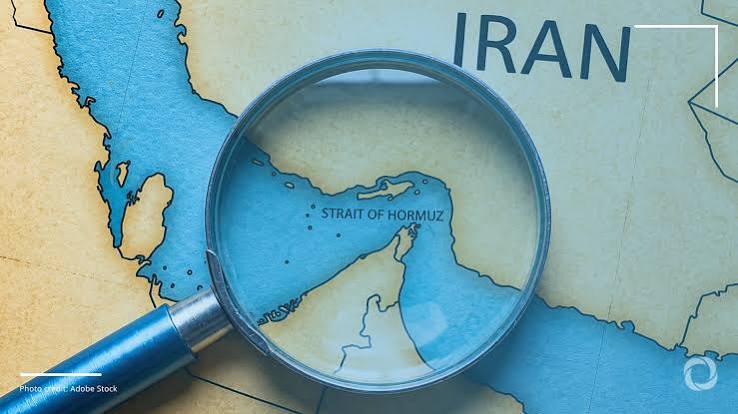
Over the past week, the war in the Middle East has jumped from a regional conflict into something with global economic teeth. Saudi Arabia has shut a pipeline carrying 4% of the world’s oil. Iran-backed Houthi fighters have seized a strategic island guarding the mouth of the Red Sea. And Iran itself has been striking tankers in the Strait of Hormuz, the route that normally carries a fifth of the planet’s oil.
None of this is happening in Lagos, Nairobi, Karachi, or Manila. But the bill is about to land there anyway.
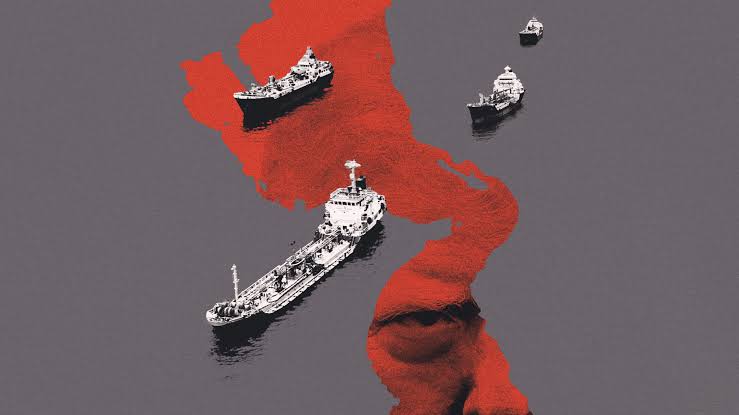
Three flashpoints, one squeeze on global oil
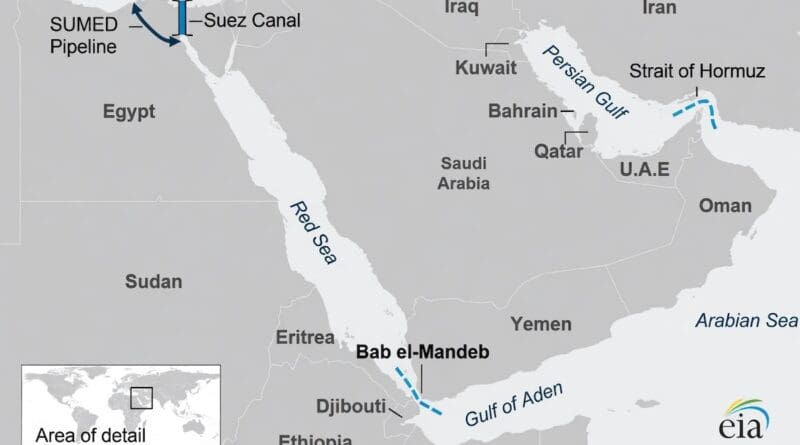
The Saudi pipeline. Drone attacks launched from Iraqi territory struck Saudi Arabia’s East–West pipeline, forcing Riyadh to shut it as a precaution. The pipeline normally moves 4–5 million barrels a day from Saudi Arabia’s eastern oilfields to the Red Sea port of Yanbu — critically, a route designed specifically to let Saudi oil bypass the Strait of Hormuz if that strait ever became unsafe. Its closure removes the backup plan right when the backup plan is needed most.
The Bab al-Mandab Strait. Iran-backed Houthi rebels captured the strategic Perim Island at the mouth of the strait, a day after seizing the port town of Mokha nearby — the group’s biggest territorial gains in years along Yemen’s Red Sea coast, and a direct new threat to Saudi oil exports and Red Sea shipping traffic. This strait is the gateway between the Red Sea and the Gulf of Aden — the route ships take to reach the Suez Canal and, from there, Europe and beyond.
The Strait of Hormuz. Hormuz, which normally handles about one-fifth of global oil and liquefied natural gas trade, has been effectively closed for months amid the wider fighting between the US, Israel, and Iran — which is exactly why Saudi Arabia had leaned so heavily on its Red Sea route and East–West pipeline in the first place. With the Houthis now threatening that route too, the two main arteries carrying oil out of the Gulf are both under pressure at the same time.
Markets have reacted the way markets do when supply looks fragile: fast, and hard. Brent crude, the global benchmark, has surged well past $100 a barrel — trading in the $107–108 range, having briefly touched levels not seen since 2022. Analysts warn a further climb toward $114–$120 isn’t off the table if the disruption drags on.
Why “someone else’s war” becomes everyone’s bill
It’s tempting to file this under “Middle East problem.” It isn’t. Here’s the chain reaction:
Fuel and transport costs rise everywhere that imports oil. Countries with no domestic refining capacity — much of Africa, South Asia, and parts of Southeast Asia — feel this within days, not months.
Food gets more expensive too. Farming, processing, and distribution all run on diesel. World food prices were already climbing before this crisis; energy-driven cost pressure pushes them further, with some analysts warning of another leg up into 2027.
Shipping gets longer and pricier. If insurers and shipping lines start avoiding the Red Sea–Suez corridor because of the fighting around Bab al-Mandab, vessels reroute around the Cape of Good Hope — adding one to two weeks to voyages and pushing up freight rates and insurance premiums on everything from grain to medicine to spare parts.
Central banks respond with higher interest rates, trying to contain the inflation that’s now arriving through the fuel pump and the grocery aisle. That’s manageable for wealthy economies. For countries already carrying heavy debt, it tightens the noose — higher borrowing costs, less room in the budget, and less ability to cushion citizens from the very prices those citizens are angry about.
The Countries with the Least Room to Absorb The War Shockwaves
This is not an evenly distributed shock. It concentrates hardest on countries that are already stretched thin:
- Heavily indebted importers — economies already juggling currency pressure and inflation get squeezed from both directions at once.
- Countries that recently removed fuel subsidies — where global price rises now pass straight through to consumers instead of being cushioned by the state.
- East African and landlocked states dependent on Red Sea shipping routes for fuel and grain — a slower, costlier supply chain means delayed deliveries and a higher risk of real shortages, not just higher prices.
- Fragile and conflict-affected states — where a fresh economic shock doesn’t just raise prices, it raises the odds of unrest, and gives armed groups another grievance to recruit around.
- Neighbors of the fighting — Lebanon, Iraq, and Jordan face the added risk of the conflict spilling directly across their borders, on top of the economic fallout everyone else is feeling secondhand.
The uncomfortable truth is that even major oil producers aren’t spared. Saudi Arabia — the world’s largest oil exporter — is itself a target, watching its own export infrastructure come under attack. If a country with that much leverage over the global oil market can’t insulate itself, smaller, poorer, oil-importing nations have essentially no shield at all.
What Responsible Leadership can Still do
Governments in exposed countries didn’t start this war and can’t end it. But they aren’t powerless either. The measures that actually help tend to be narrow and targeted, not broad and symbolic:
- Protect people, not blanket subsidies. Targeted cash transfers to low-income households go further than fuel subsidies that mostly benefit people who can already afford fuel.
- Police the middlemen. Active monitoring against price-gouging and hoarding keeps a supply shock from turning into a profiteering opportunity.
- Diversify routes where possible. Countries dependent on a single shipping corridor should be actively exploring alternate routes and building up regional fuel and grain reserves through existing regional bodies.
- Explain the numbers, don’t just absorb the anger. Publishing a plain breakdown of what’s driving pump and food prices — crude costs, freight, taxes, margins — does more to build public trust than silence does, and it blunts conspiracy narratives that leadership itself is to blame.
- Build resilience for next time, because there will be a next time: faster investment in renewable energy, local food production, and fiscal buffers set aside during calmer years.
The bottom line
This crisis was lit by drone strikes on a Saudi pipeline, a Houthi advance on a Red Sea island, and Iranian attacks on tankers in Hormuz; not by any decision made in Abuja, Nairobi, Islamabad, or Manila. But the countries least responsible for the war are lining up to absorb the biggest share of its economic cost.
That’s not a reason to stay quiet. It’s a reason to demand the right things: transparency about where prices come from, protection for the people who can least absorb the shock, and real investment in not being this exposed the next time a war breaks out somewhere else on the map.

Share this with someone trying to understand why prices are climbing — and push your local leaders for the transparency and targeted relief this moment actually calls for, not silence and not blame games.