
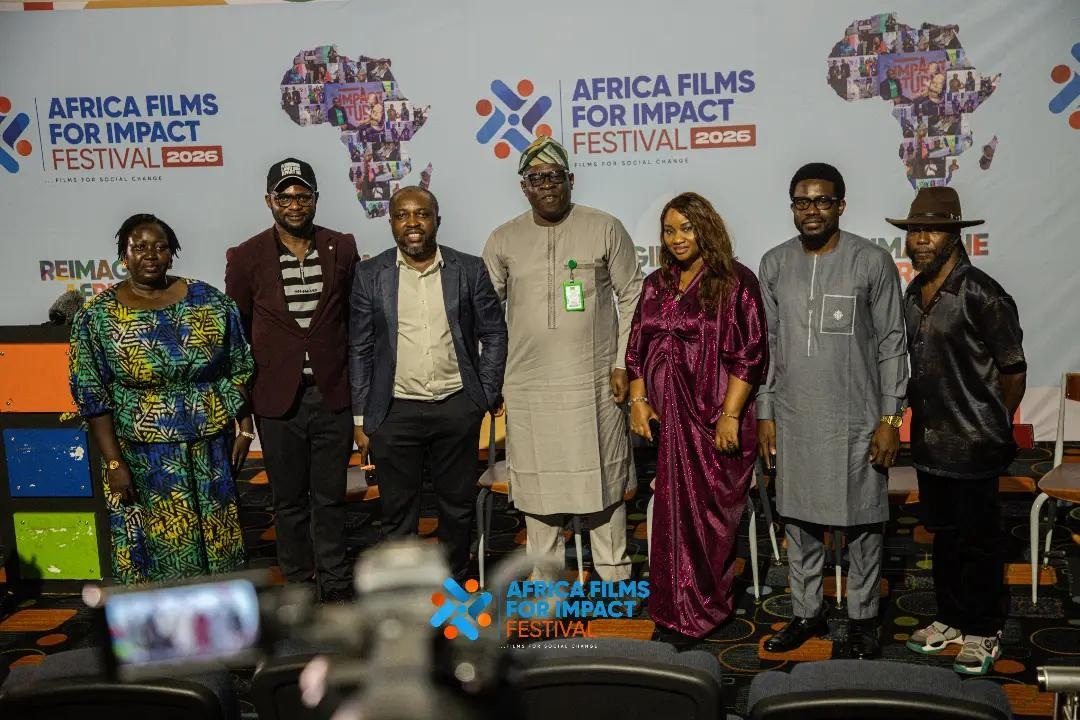
Filmmakers and industry stakeholders at the opening day of AFFIF 2026 called for more intentional African storytelling, while the screening of To Adaego with Love highlighted cinema’s power to confront historical injustices, preserve collective memory and promote reconciliation.
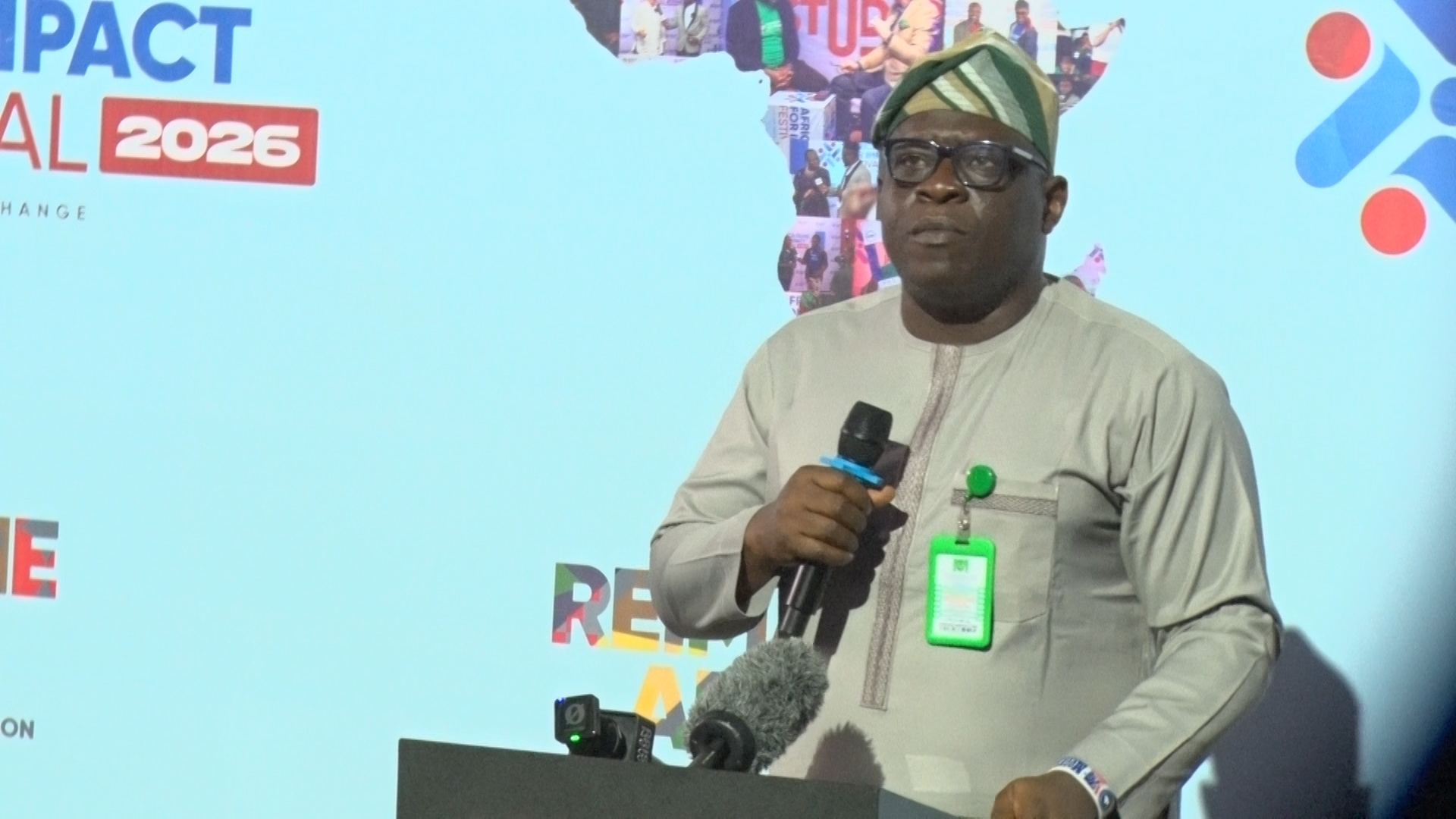
When the curtain rose on the Africa Film for Impact Festival (AFFIF) on October 28, 2026, the mandate for the continent’s creatives was clear: it is time to reclaim our narrative. Unveiling the festival’s theme, Reimagine Africa, AFFIF convener, Bright Wonder set a transformative agenda. For decades, global screens have projected a regressive, stereotype-laden image of Africa—a monolith of poverty, conflict, and backwardness. Wonder’s campaign is a direct counter-offensive. It is a call to spotlight the continent’s positive impact, its progressive youth, and its undeniable potential, using the most powerful tool available: cinematic storytelling.
The stakes of this narrative shift were laid bare during a high-powered panel session featuring the Director General of the National Film and Video Censors Board (NFVCB), Dr. Shaibu Husseini, the National Association of Producers, the Directors Guild of Nigeria, and the Actors Guild of Nigeria. The consensus was unanimous: filmmakers must evolve from simply capturing an audience’s attention to genuinely transforming societal attitudes and policies.
The global perception of Africa remains a significant hurdle for industry growth. Mr. Bright Wonder highlighted the profound frustration of pitching ambitious projects to international collaborators, only to realize foreign investors still picture African audiences emerging from rural huts, wholly unaware of the continent’s modern infrastructure and massive box office potential.
“You mean you have these beautiful skyscrapers in Nigeria?” Bem Peever, Director of A Land Apart recalled a foreign colleague asking him, reiterating that we cannot blame them for their ignorance because the reality often clashes with the exported narratives of witchcraft and despair. To combat this, he urged filmmakers to view themselves as culture shapers who must actively call a better reality into existence.
Breaking these stereotypes requires intentional product placement and deliberate thematic choices. Rather than recycling familiar narratives, filmmakers were encouraged to explore underrepresented sectors such as agriculture and showcase the entrepreneurial drive and wealth-building spirit of commercial hubs like Lagos. With a tech-savvy Gen Z population increasingly shaping content consumption and creation, channeling its energy into positive, continent-building narratives is becoming essential.
However, this push for positivity does not mean ignoring the continent’s gritty realities. Gloria Ugolee-Ehiosun, The Gladew Short Film Festival winner for best female director, tackled the psychological damage of the industry’s frequent reliance on the “80/20 rule,” where 80% of a film glamorizes cybercrime or dark rituals for wealth, followed by a hasty 20% moral repentance. She argued that this structural imbalance subconsciously brands Nigerians negatively, teaching audiences that extreme, often illegal sacrifices are the primary route to success.
Telling the truth about corruption, gender-based violence, and injustice without crossing into propaganda or censorship is a delicate art. Dr. Shaibu Husseini, bringing a regulatory perspective, clarified that impactful films can indeed critique corruption without being banned, provided the director makes smart artistic choices. Using real names or specific national symbols in a supposedly fictional, generic African country invites legal trouble, but intentional, nuanced writing safely navigates these waters.
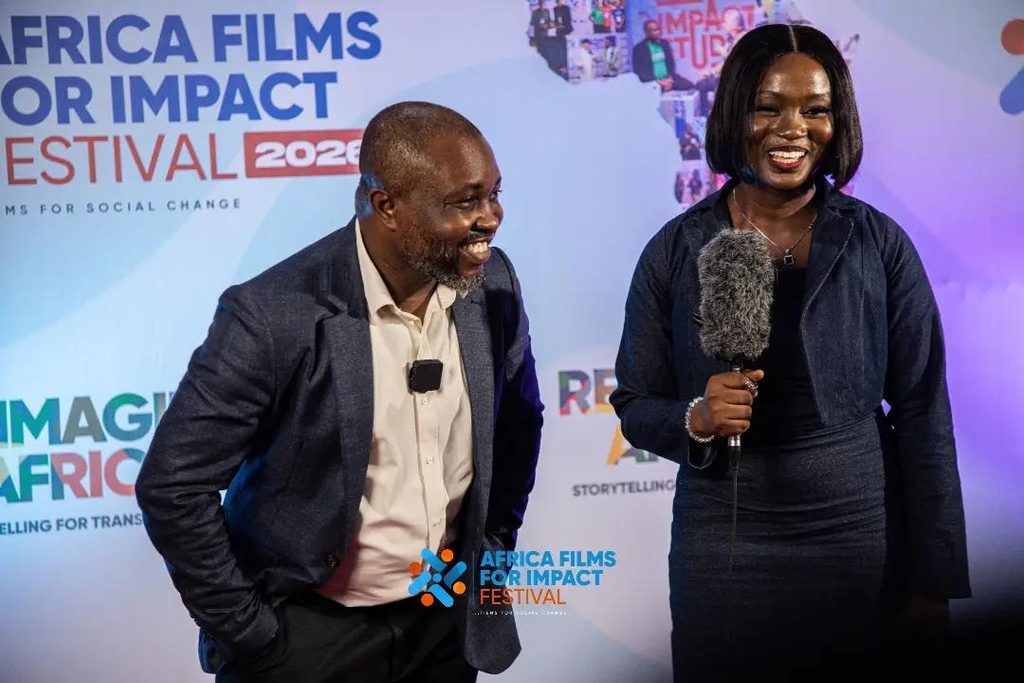
Validating this, Bright Wonder’s politically contentious 2018 film, If I Am President, earned praise rather than the censor board’s hammer because of its careful execution, proving that addressing societal decay requires fresh perspectives—such as exploring corruption not just in government, but at the grassroots level between family members and domestic staff.
As the first day of AFFIFF concluded, the panel left the room with a haunting, powerful analogy. When an audience sits in a theater, they are boarding an aircraft, putting their entire psychological journey into the hands of the director. “Film is responsibility, every time you pick up your pen… understand you are navigating generations safely”. For the creatives at AFRIFF 2026, the flight to re-imagine Africa has officially taken off.
Moving from the panel’s theoretical discourse into practical execution, the festival’s opening night culminated in the screening of To Adaego with Love. Written and produced by Brenda Garba, the opening film served as a sharp, immediate expression of AFFIF’s 2026 mandate: telling bold, impactful stories with unapologetic intentionality.
Set against the fragile backdrop of the Nigerian Civil War’s aftermath, the film navigates the complexities of historical trauma and communal healing. The story is told through the lens of Major Balarabe Alkali, a Nigerian Army officer deployed to Enugu with a daunting mission: to reconcile the deeply scarred locals with the resident soldiers stationed at a community school. The political swiftly becomes personal when Bala falls in love with Adaego, a local mathematics teacher.
Following the emotional screening, Chidimma and the film’s composer, Onyebeats, took the stage to share behind-the-scenes insights into their creative process. Their reflections underscored the sheer deliberate effort required to balance historical grief with a nuanced message of unity. If the premiere of To Adego with Love is any indication, the campaign to reimagine Africa is not just a talking point for the festival—it is a reality already unfolding on the big screen.
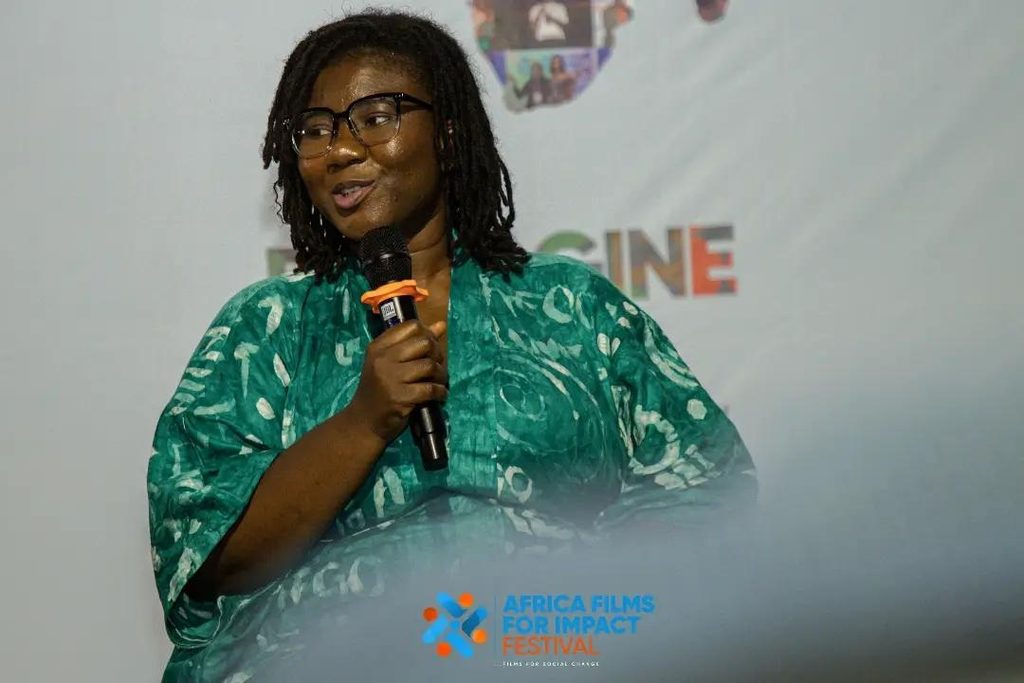
“A people who do not know their history, will make the same mistakes their ancestors made,”
_Chidimma Brenda Garba
Re-imagining Africa, as AFFIF advocates, does not mean airbrushing the continent’s painful historical chapters or pretending the wounds of the past never existed. Instead, it demands a courageous confrontation with them. By revisiting the lingering, unaddressed scars of the Nigerian Civil War, Brenda’s film acts as a cinematic archive for a modern generation that risks becoming disconnected from the heavy realities of that conflict. The film serves as a stark reminder that true, lasting reconciliation cannot be manufactured through collective amnesia, but must be forged through an honest acknowledgment of unresolved injustices.
This philosophical anchor perfectly aligns with the festival’s overarching call for narrative responsibility. When filmmakers take up the mantle to tell stories of this magnitude, they transition from mere entertainers to vital custodians of historical memory. By weaving profound lessons into a compelling tapestry of romance, military duty, and live music, creators like Ukaruba and Onyeabeats prove that cinema can educate, agitate, and heal simultaneously. Ultimately, the opening film demonstrated that holding a mirror to the painful realities of the past is not a step backward, but rather a deliberate, intentional stride toward building a more unified and progressive African future.
Report by Kenneth Kamah | Edited by ‘Deyemi Olowa