
‘Deyemi Olowa reports from AFFIF 2026, where NFVCB Director-General Dr Shaibu Husseini urges African filmmakers to move beyond narratives of poverty and conflict to tell stories that inspire hope, promote human rights and drive social transformation.
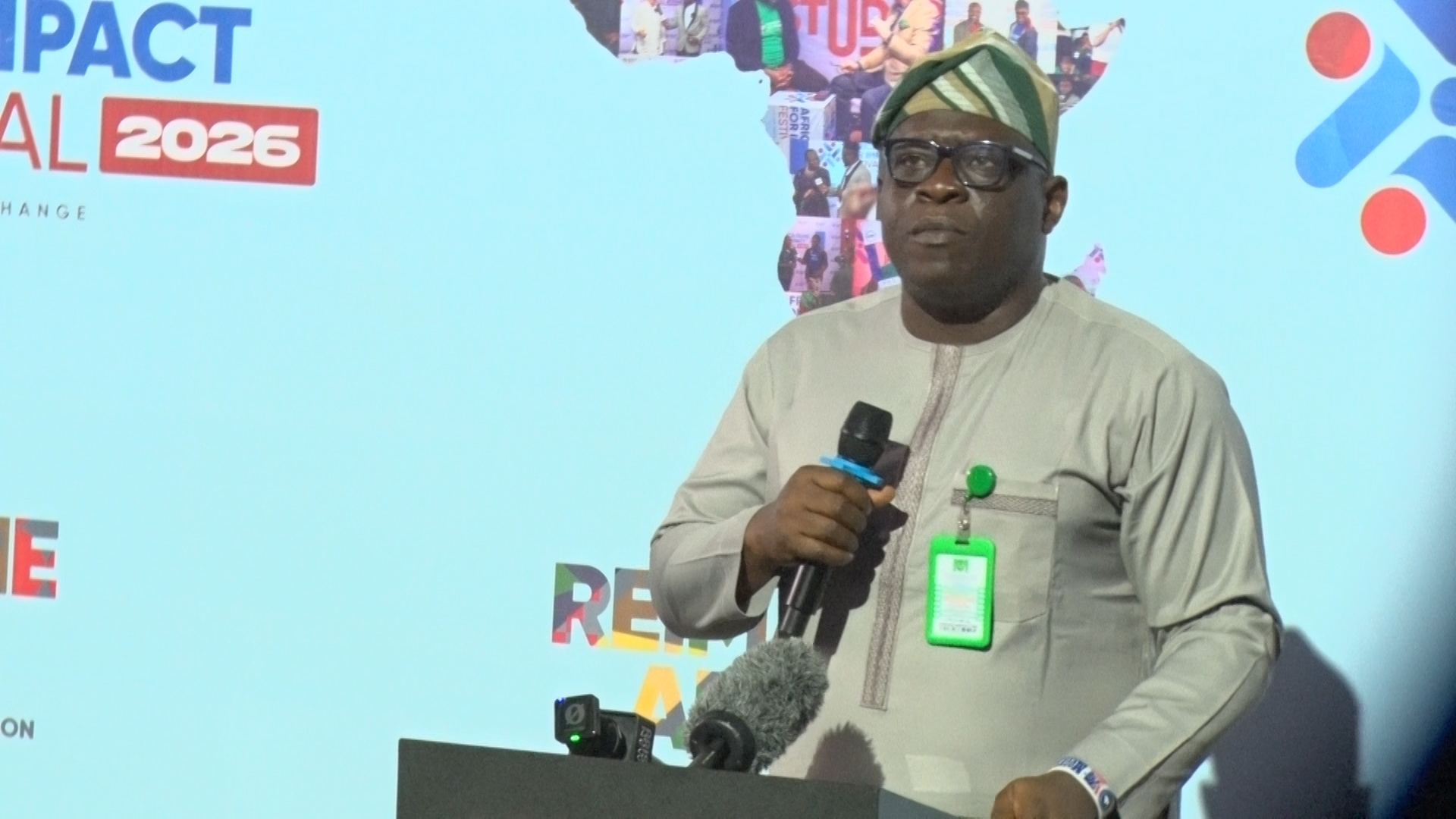
The Director-General of the National Film and Video Censors Board (NFVCB), Dr Shaibu Husseini, has called on African filmmakers to reclaim the continent’s narrative through stories that reflect its resilience, diversity and potential for transformation.
Husseini made the call while delivering a keynote address at the opening ceremony of the fifth edition of the Africa Films for Impact Film Festival, held at Silverbird Cinemas in Abuja, under the theme “Reimagine Africa – Storytelling for Transformation.”
He said Africa had for centuries been portrayed in books, films and other forms of media through external perspectives that often reduced the continent to images of poverty, conflict and instability.
According to him, these portrayals have created a narrow understanding of Africa that overlooks its achievements, cultural richness and capacity to overcome challenges.
He cited the late Nigerian author Chinua Achebe’s famous observation: “Until the lions have their own historians, the history of the hunt will always glorify the hunter.”
Husseini said the “lions” in the context of African storytelling were the writers, producers, directors and actors who had taken up the responsibility of telling the continent’s stories from their own perspectives.
He also pointed to the way American films often portray the United States and its institutions as triumphant, arguing that such portrayals demonstrate how cinema can shape perceptions of a country and its people.
The NFVCB director-general stressed that African stories should not be limited to war, bloodshed and poverty, but should also reflect the resilience, creativity and determination of its people.
He explained that reimagining Africa did not mean ignoring the continent’s challenges or using cinema as an escape from reality. Rather, it required filmmakers to confront issues such as poor governance, gender-based violence, corruption and poverty while showing that these conditions did not define Africa’s future.
Husseini said films could contribute to transformation by encouraging empathy across borders and turning audiences from passive viewers into active advocates for human rights and social change.
He described every script and visual production as a potential blueprint for the kind of society Nigerians and other Africans hoped to build, adding that filmmaking went beyond entertainment to influence collective consciousness.
Addressing young filmmakers at the festival, he urged them to recognise the responsibility that comes with their craft and use their cameras to amplify marginalised voices, promote healing, unite communities and challenge harmful practices.
Husseini cited the festival’s opening film, To Adaego with Love, as an example of a production that offers hope for a more united Nigeria.
He encouraged audiences to engage with films not merely as consumers of art but as participants in a broader effort to transform African societies through storytelling.
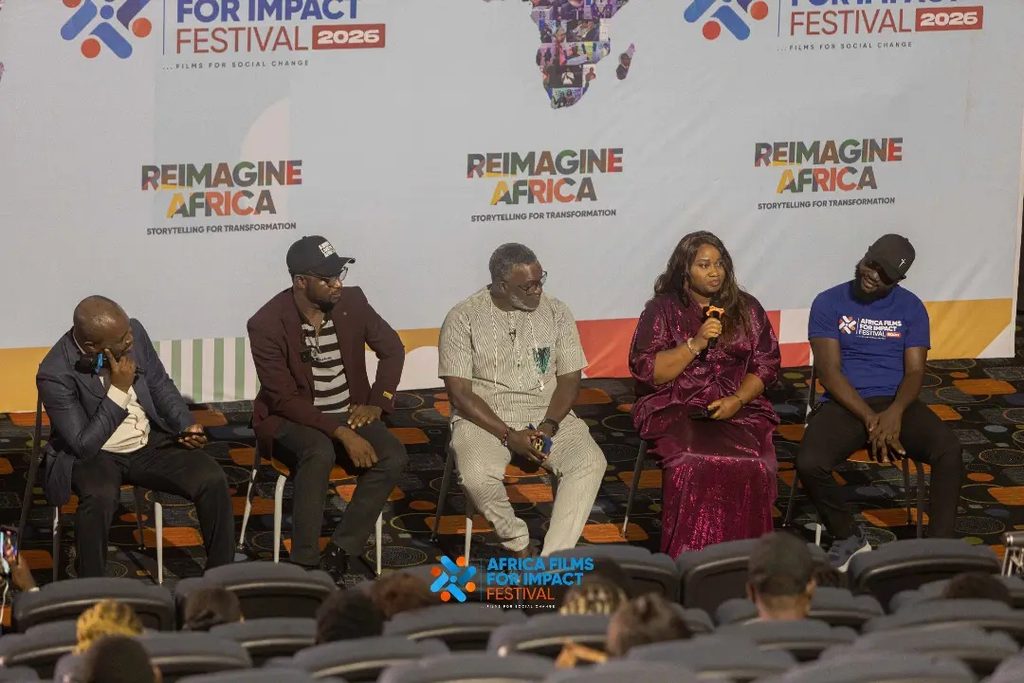
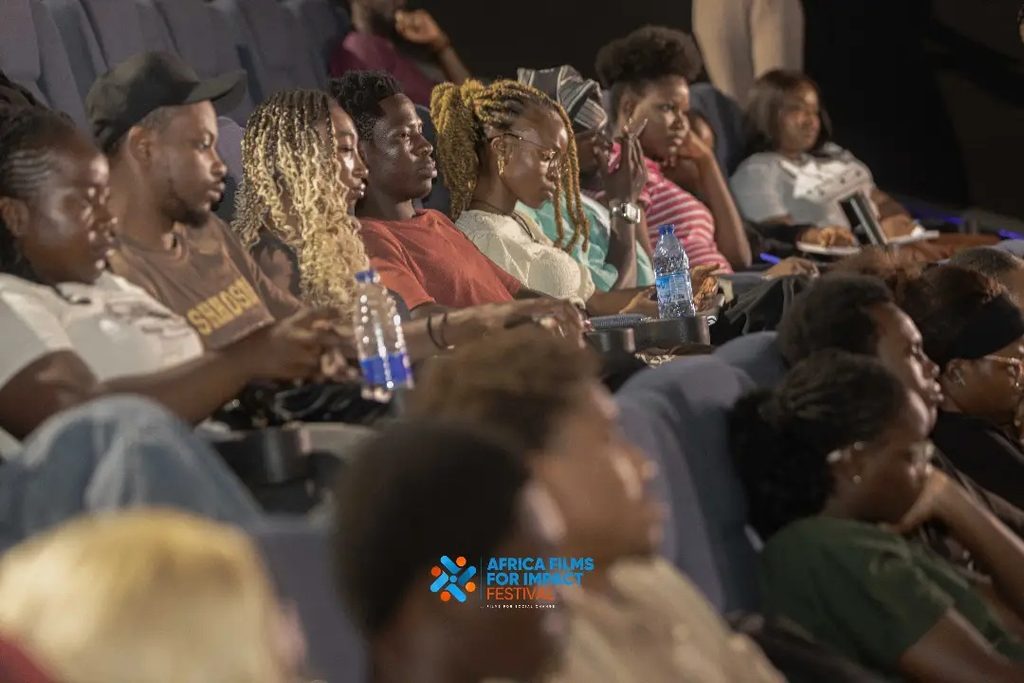
The fifth edition of the Africa Films for Impact Film Festival brings filmmakers and audiences together around the role of cinema in raising awareness, encouraging dialogue and addressing social issues.
The festival’s theme underscores the importance of African filmmakers taking greater ownership of the stories told about the continent and using film to challenge stereotypes, reflect lived experiences and inspire a more inclusive future.