
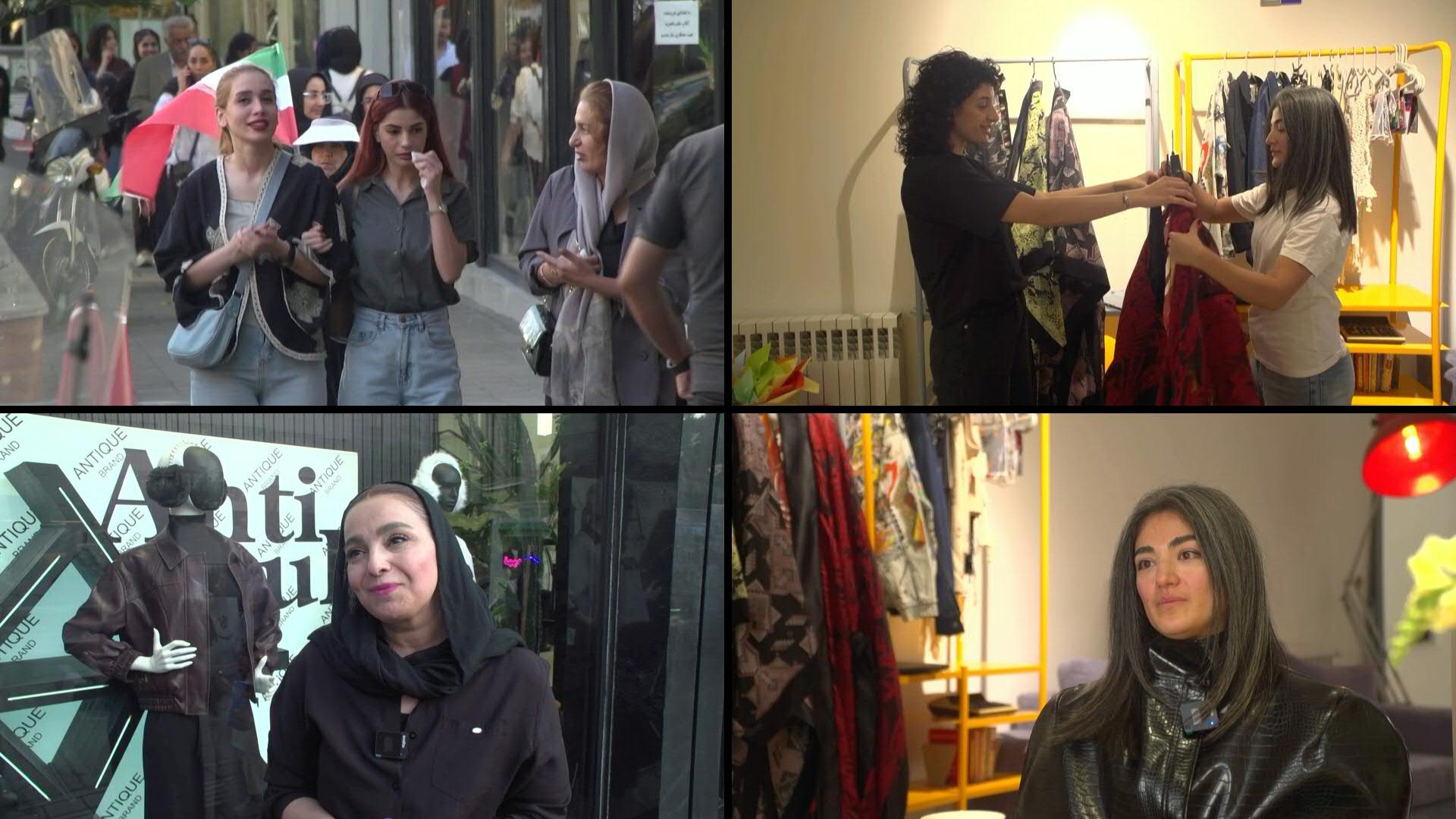
Despite strict dress regulations, more women in Iran are embracing crop tops, short skirts and other clothing choices that challenge official expectations, reflecting changing attitudes towards personal freedom and self-expression.
At her clothing shop in central Tehran, Pariya Senyari is adapting her stock to meet the changing tastes of younger customers, selling crop tops and short skirts that are increasingly visible on women across the Iranian capital.
However, she still displays long coats in her shop window, a precaution she says helps her avoid trouble with the authorities.
For decades, Senyari’s business catered mainly to women who followed the country’s strict dress code, introduced after the 1979 Islamic Revolution and requiring women to cover their heads and necks in public.
But the 47-year-old shop owner says younger women are increasingly choosing modern styles and are less willing to comply with compulsory headscarf rules.
“We can’t force this new generation to wear headscarves anymore — they want to be free,” she said, expressing hope that the restrictions would eventually be lifted.
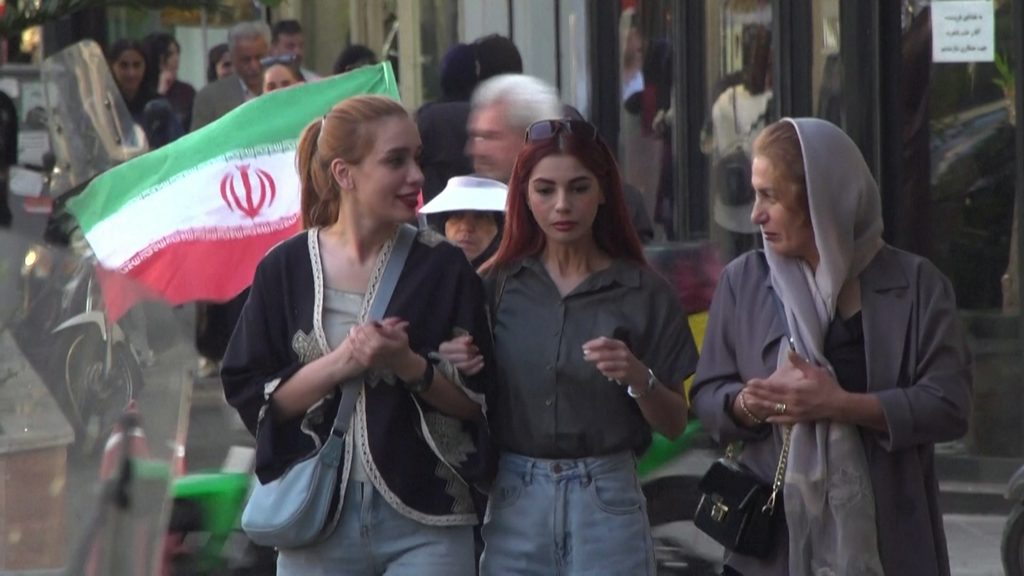
The changing fashion choices reflect a wider shift in public attitudes towards the compulsory hijab, particularly since the 2022 protests that followed the death of Mahsa Amini in police custody. Amini, a 22-year-old Kurdish-Iranian woman, had been detained over an alleged breach of the country’s dress code.
Since then, compliance with the headscarf requirement has become increasingly sporadic, with women in Tehran seen in public without head coverings and wearing sleeveless tops, ripped jeans and shorter skirts.
Despite the visible changes, the legal restrictions remain in force, and authorities continue to warn against what they describe as violations of public morality. Iranian authorities recently announced arrests in Tehran over alleged efforts to promote abandoning the hijab and public nudity.
The changing social climate has also created uncertainty for business owners and fashion designers. While some have expanded their collections to include more contemporary clothing, others remain cautious about how they display and promote their products.
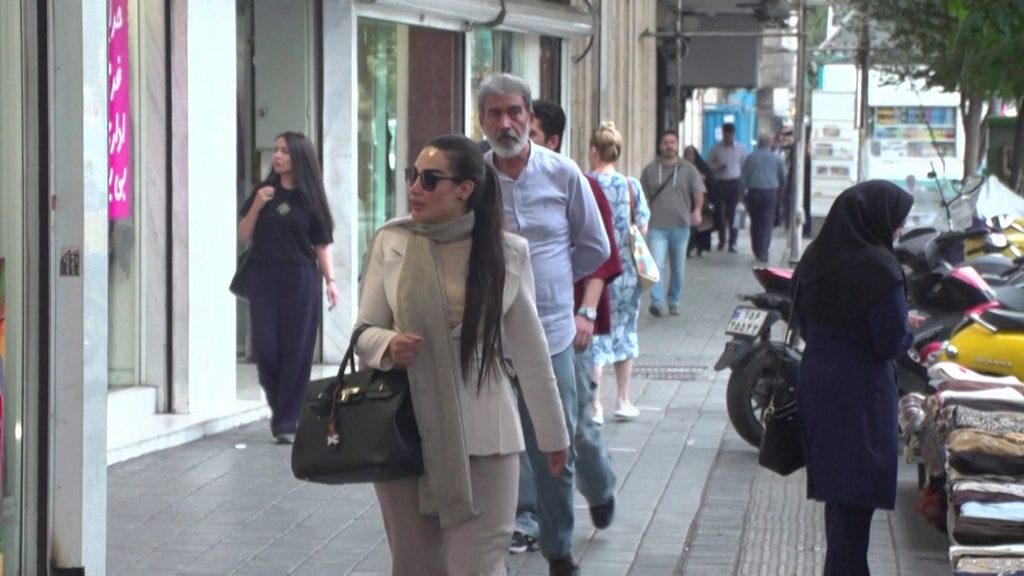
A clothing retailer identified as Alireza said he had introduced shorter coats and shirts for women but maintained more traditional options for customers who prefer conservative styles.
Meanwhile, Maryam, a fashion designer who sells her creations online, says it has become easier for women to wear what they want. However, she remains careful about how she presents her designs on social media, sometimes avoiding identifiable images of models and using English-language descriptions to reduce attention from authorities.
The contrast between changing fashion choices and continuing legal restrictions highlights the challenges facing Iranian women as they seek greater control over personal expression.