
The former US vice president is urging reforms to the United Nations climate negotiation process, arguing that oil-producing countries should not be able to block collective action on climate change.
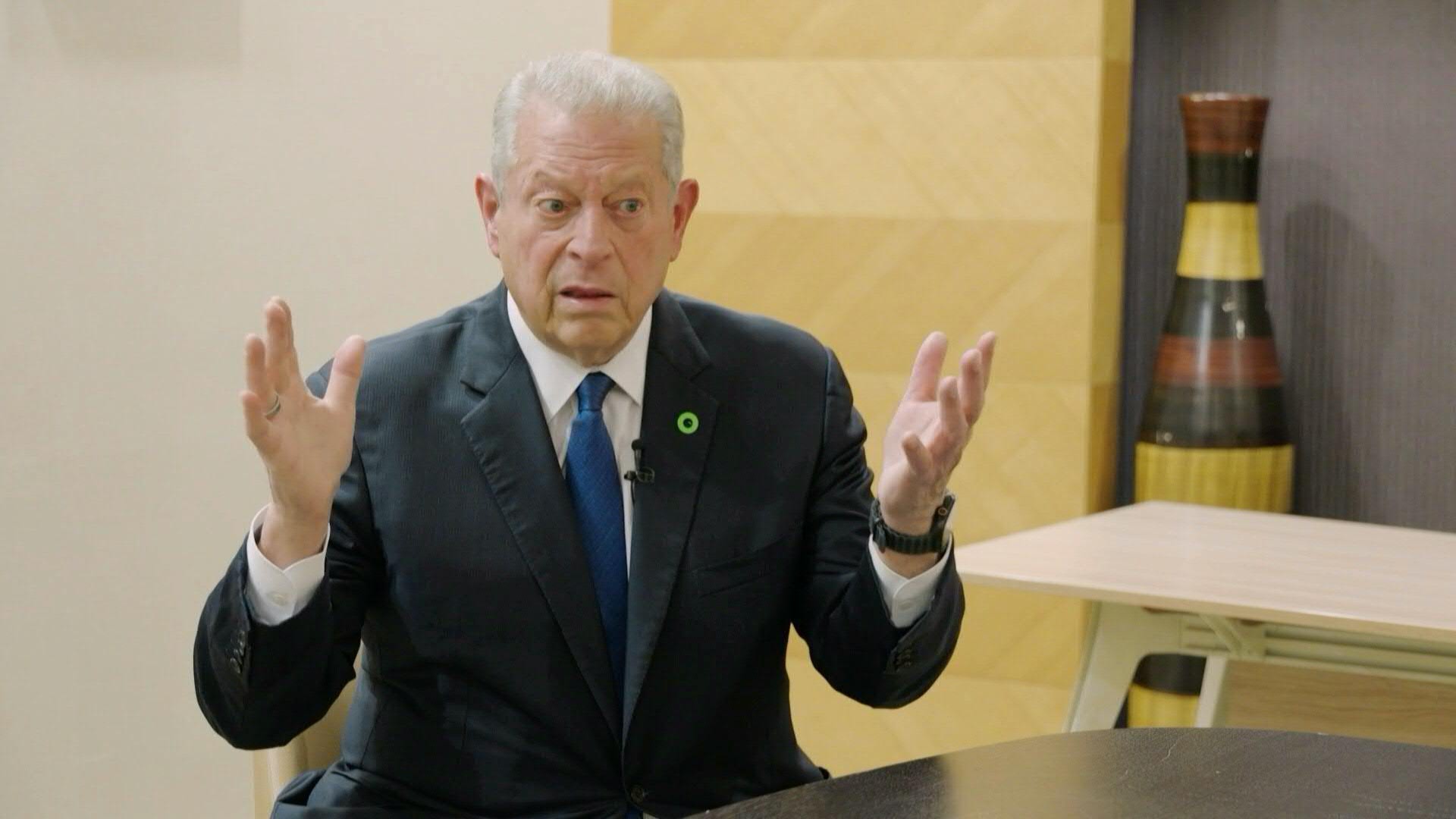
Former United States Vice President Al Gore has criticised the influence of oil-producing countries in global climate negotiations, describing it as “literally insane” that nations such as Saudi Arabia can block decisions aimed at tackling climate change.
Speaking on the sidelines of the COP31 climate summit in Antalya, Turkey, Gore called for sweeping reforms to the United Nations climate negotiation process, particularly its consensus-based decision-making system.
He argued that the current arrangement gives individual countries the power to prevent agreements, even when the majority of participating nations support stronger climate action.
Gore proposed replacing the consensus model with a supermajority voting system, which would allow decisions to pass with support from a substantial majority rather than requiring agreement from every participating country.
His criticism reflects longstanding concerns among climate campaigners that the consensus requirement can slow negotiations and weaken commitments, particularly on fossil fuel production and the transition to cleaner energy.
Saudi Arabia, one of the world’s leading oil producers, has frequently been at the centre of disagreements over the language and commitments relating to fossil fuels at international climate negotiations.
The debate over decision-making comes as governments face growing pressure to strengthen climate action, reduce greenhouse gas emissions and accelerate the shift away from fossil fuels.
The United Nations climate process operates through negotiations among nearly 200 parties, with consensus traditionally guiding the adoption of major decisions. Supporters say the approach protects the interests of all countries, while critics argue that it allows a small number of governments to obstruct progress.
Gore, a prominent climate advocate and founder of The Climate Reality Project, has for years called for stronger international commitments to address global warming. His latest remarks renew the debate over whether the UN system can deliver the scale and speed of action required to confront the climate crisis.