

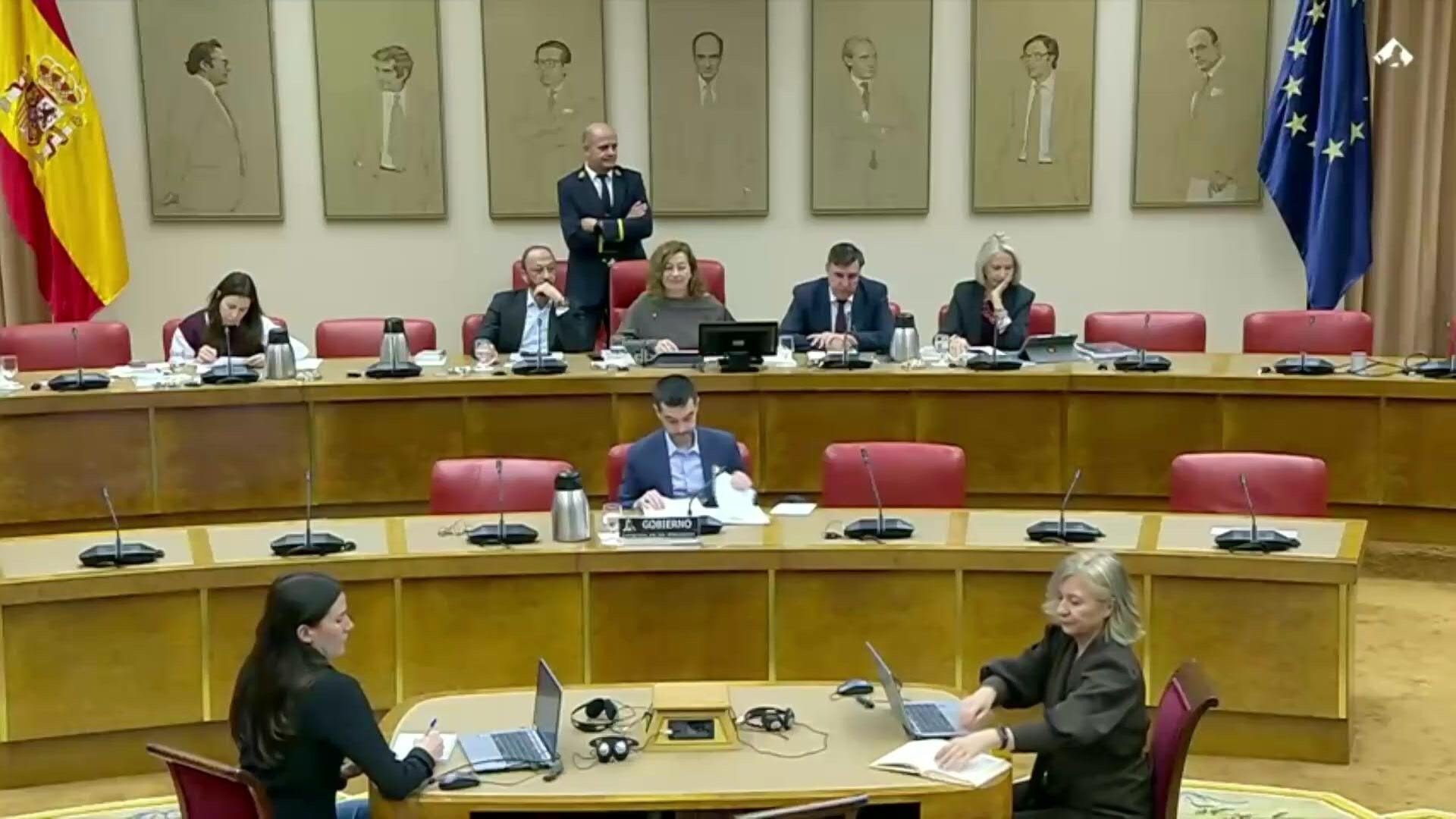
The approved measures extend eviction protections for vulnerable tenants and seek to curb property speculation, following a nationwide general strike over housing costs. However, the rejection of automatic rental contract renewals has disappointed housing activists, while the opposition has vowed to repeal the measures if it takes power.
Spain’s interim parliament has approved a package of housing measures aimed at easing the country’s affordability crisis, following weeks of protests and a nationwide general strike over rising rents and living costs.
The measures, passed on Thursday, November 12, 2026, include extended protection against the eviction of vulnerable tenants, restrictions on property purchases by large investors and limits on rent increases in certain areas.
However, lawmakers rejected a separate proposal that would have allowed tenants to automatically renew their rental contracts, a key demand of housing activists seeking greater security for renters.
The approved decree passed by 35 votes to 34 in Spain’s 69-member parliamentary Standing Council, which continues to operate following the dissolution of the full parliament ahead of the November 29 snap election. The second decree, which contained the automatic renewal proposal, was also rejected by a narrow margin.
Under the approved measures, eviction protections for tenants considered financially or socially vulnerable will remain in place until the end of 2030 where regional authorities cannot provide alternative accommodation.
The package also seeks to discourage property speculation by restricting companies from purchasing homes below 70 per cent of their value. It further freezes increases on rents already above government reference prices in their neighbourhoods and introduces a 10 per cent tax on tourist rentals.
Other provisions include incentives for landlords who reduce rents and government-backed loans to help people with down payments on homes.
The parliamentary decision followed a general strike on Wednesday, November 11, which brought demonstrations to Madrid, Barcelona and other Spanish cities.

Workers, trade unions and housing campaigners protested over soaring rents, the rising cost of living, wages and access to public services. It was Spain’s first nationwide general strike in 14 years, according to reports, with major disruptions recorded across several sectors.
The protests were fuelled by years of growing frustration over housing affordability, particularly among renters and younger people struggling to secure accommodation in major cities.
Public anger intensified in September following the eviction of 87-year-old Madrid pensioner Maricarmen Abascal from her longtime home after the property owner significantly increased the rent. Her subsequent death sparked national outrage and became a rallying point for housing campaigners.
Prime Minister Pedro Sánchez’s Socialist-led government had initially introduced two housing decrees in October, proposing eviction protections and automatic rental contract renewals.
The measures therefore face an uncertain future as Spain approaches the election, with housing affordability now a major issue in the political debate.
For tenants and housing campaigners, the latest parliamentary decision offers some protection against eviction and property speculation, but the rejection of automatic rental renewals leaves one of their central demands unresolved.