
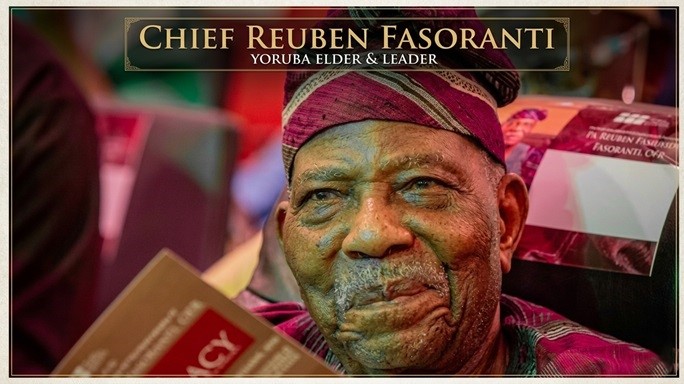
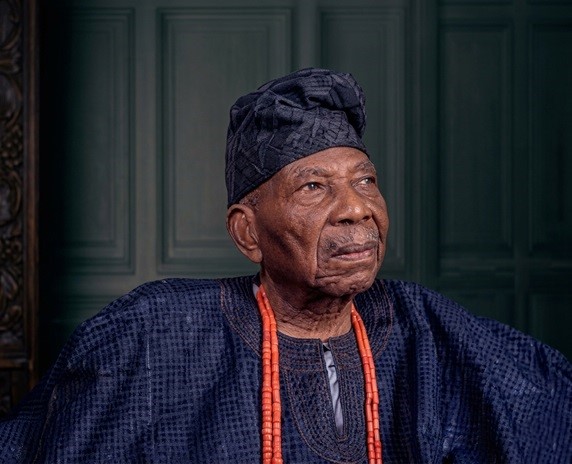
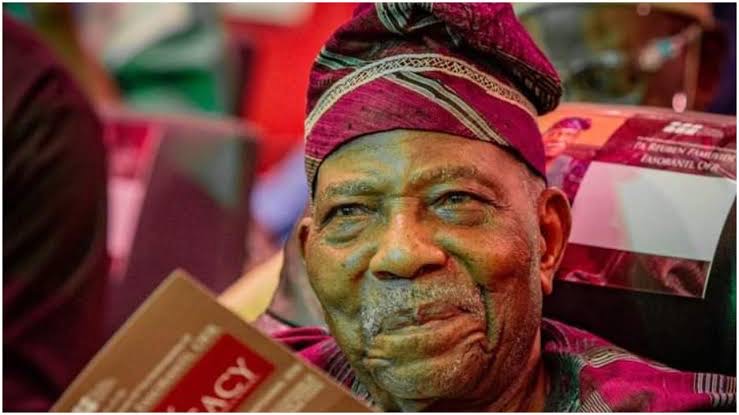
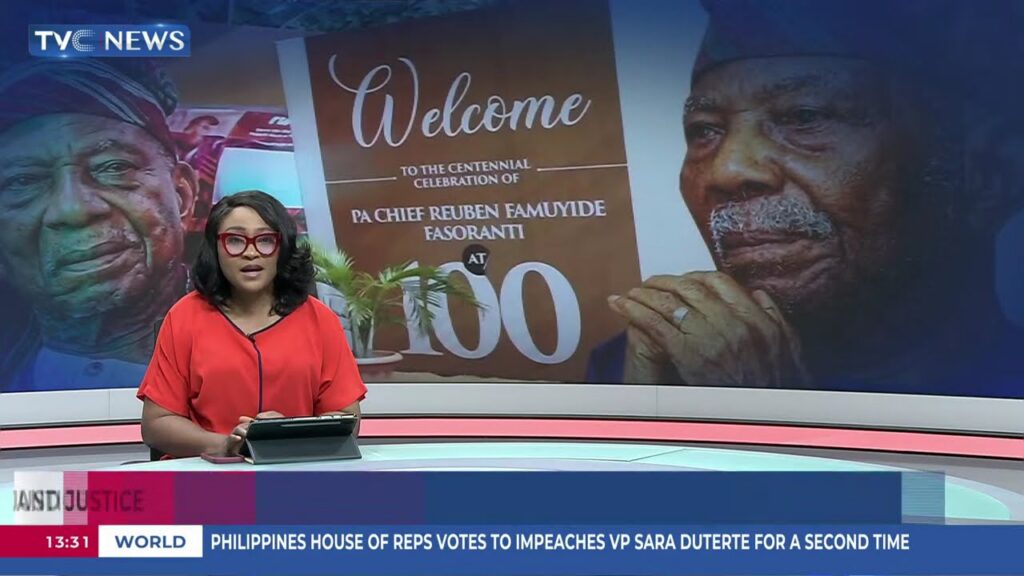
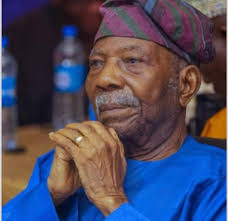
At 100, Chief Reuben Fasoranti stands as more than a Yoruba elder statesman or former finance commissioner. He represents a fading but powerful idea in African public life — that leadership is measured not by noise, wealth, or office, but by decades of institution-building, moral discipline, educational investment, and service that transcends religion, ethnicity, and political fashion.
Nigeria, for all its turbulence, has depended on such figures.
Among them stands Chief Reuben Famuyide Fasoranti; a teacher, principal, education entrepreneur, former commissioner, Afenifere leader, democratic advocate, and now centenarian witness to an entire century of Nigerian history.
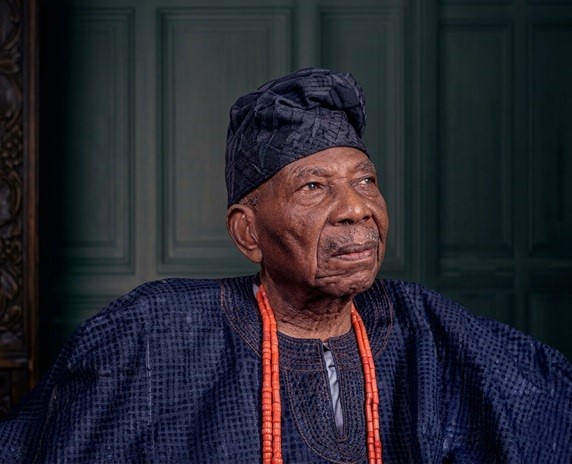

Born in 1926, Fasoranti arrived in the world before Nigeria became independent, before military coups reshaped the state, before oil transformed the economy, before civil war scarred national memory, and before democracy became both aspiration and struggle.
He has lived long enough to see colonialism, nationalism, military dictatorship, democratic transitions, regional agitations, and the digital age. Yet what makes him remarkable is not merely longevity. It is consistency.
In a political culture often dominated by spectacle, sudden wealth, and ideological instability, Fasoranti built his legacy slowly — through classrooms, schools, budgets, policy discipline, and ethical restraint.

At 100, he represents something increasingly rare in public life: a leader whose influence cannot be measured only by office held, but by trust accumulated over generations.
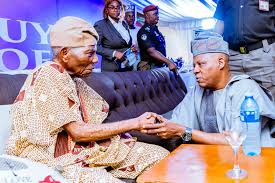
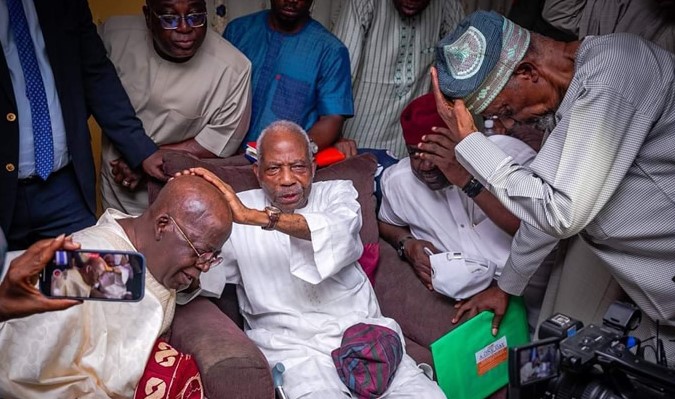
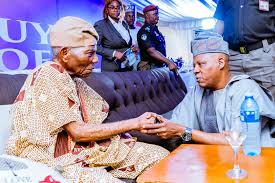
And perhaps no moment captures this more symbolically than the public tribute paid to him by Muhammadu Sa’ad Abubakar, the spiritual head of Nigerian Muslims, who described the Yoruba Christian elder as “a pride of Nigeria and a national asset.”
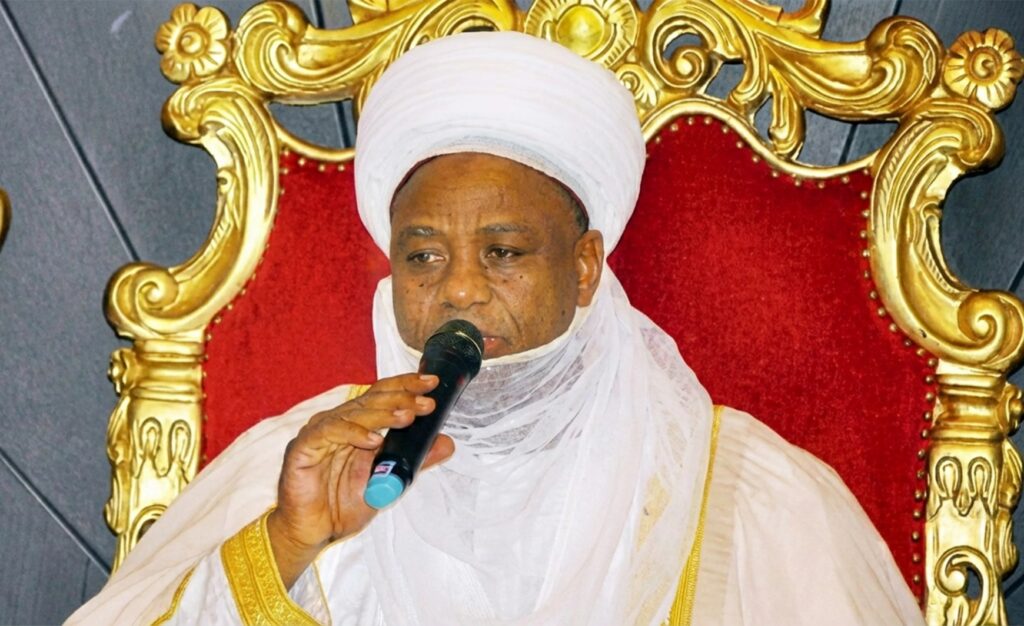
In a deeply polarized nation where religion and ethnicity frequently define political boundaries, the gesture carried unusual weight. It suggested that beyond the noise of Nigerian politics, there still exists a moral language capable of commanding respect across divides.
That language is integrity.
The Making of an Omoluabi
To understand Fasoranti’s worldview, one must first understand the Yoruba ethical philosophy known as Omoluabi.
What Does “Omoluabi” Mean?
In Yoruba thought, an Omoluabi is a person of character — disciplined, truthful, respectful, hardworking, courageous, and socially responsible. The concept goes beyond personal morality. It is a philosophy of citizenship and communal dignity.

An Omoluabi is expected not merely to succeed, but to live honorably.
Fasoranti belongs to a generation shaped by this ethic before modern Nigeria emerged.
He grew up during British colonial rule, when education carried almost sacred importance among many Yoruba families. Western education was not merely seen as a route to employment; it was viewed as an instrument of liberation, prestige, and social transformation.


Like many members of the first educated Nigerian elite, Fasoranti’s life moved through mission schools, disciplined academic environments, and the intellectual atmosphere created by the nationalist awakening of the mid-20th century.
He attended Ondo Boys’ High School and later studied at University College Ibadan — one of the most prestigious institutions in colonial West Africa.
But education, for Fasoranti, was never simply about certificates.
It was about civilization.
That distinction would define the rest of his life.
The Educator Before The Politician
Long before he became associated with Afenifere or regional politics, Fasoranti was a teacher and school administrator.
This detail matters.
Across Africa, some of the most consequential political figures emerged first from classrooms rather than barracks or corporate boardrooms. Education gave them both administrative discipline and moral imagination.
Fasoranti belonged to that tradition.
As principal and educationist, he treated schools not merely as examination factories, but as institutions for producing disciplined citizens. Later, he founded schools including Omolere Nursery and Primary School and St. Frances Academy in Akure.
His educational philosophy reflected an older developmental vision once championed in Western Nigeria under Obafemi Awolowo, the belief that mass education formed the backbone of modern society.
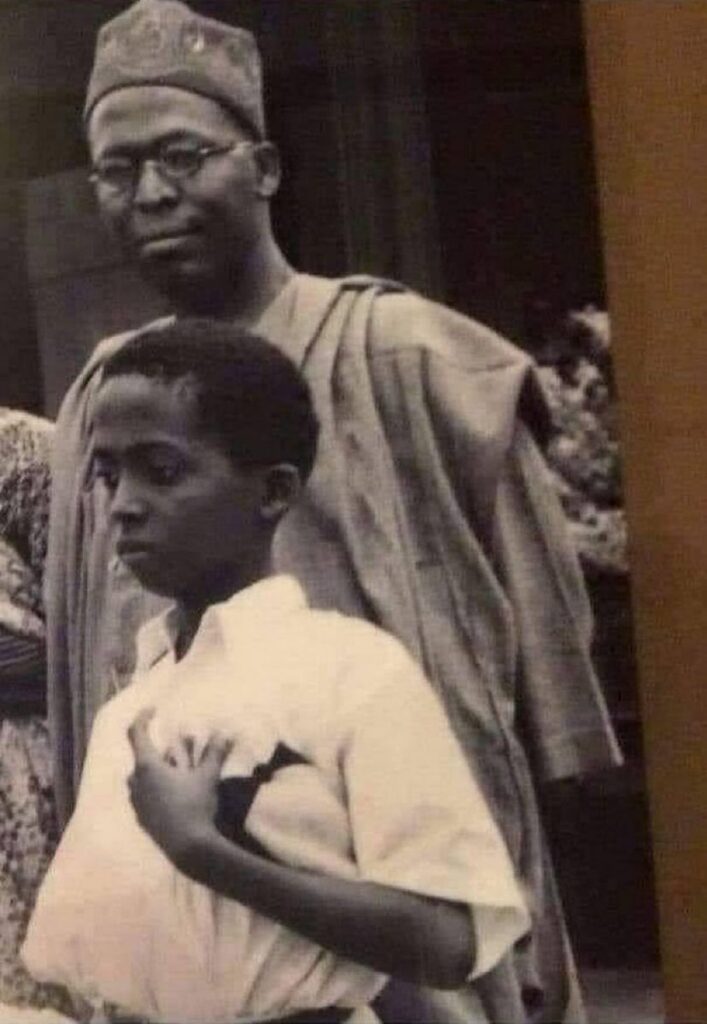
This approach now appears almost radical in contemporary Africa, where education systems are increasingly commercialized and detached from civic formation.
Fasoranti’s model echoed something closer to Japanese and Scandinavian educational philosophy: the idea that schools exist not only to create workers, but to cultivate responsible human beings.
That distinction partly explains why many of the institutions he helped nurture continue to command emotional respect beyond their immediate educational function.
They represented moral investments.
The Progressive Era and The Politics of Development
To younger Nigerians, the politics of the old Action Group and later the Unity Party of Nigeria can feel distant. But for Fasoranti’s generation, those movements represented one of the boldest experiments in social democracy on the African continent.
The political tradition built around Awolowo emphasized:
- free education,
- rural development,
- public healthcare,
- regional industrialization,
- fiscal discipline,
- and state-led social investment.
Fasoranti became part of that ideological ecosystem.
As Commissioner for Finance in old Ondo State under Governor Michael Adekunle Ajasin between 1979 and 1983, he helped implement welfare-oriented governance policies associated with the UPN era.
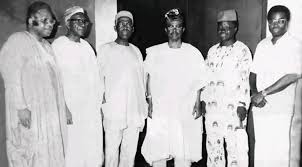
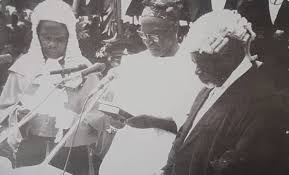
To ordinary Nigerians, fiscal management may sound abstract. But budgets determine whether schools are built, hospitals function, roads survive, and salaries are paid.
In many ways, Fasoranti represented the technocratic side of progressive politics — the less glamorous but deeply essential work of translating ideals into functioning institutions.
Former colleagues often described him as disciplined, meticulous, and resistant to corruption.
In today’s Nigeria, where public distrust of political elites runs deep, that reputation has become one of his greatest legacies.
Not because he was perfect.
But because he belonged to a shrinking class of politicians whose names did not become synonymous with scandal.
Afenifere, Federalism, and The Struggle For Democracy
Outside southwestern Nigeria, Afenifere is sometimes misunderstood as merely an ethnic pressure group.
Its deeper history is more complicated.
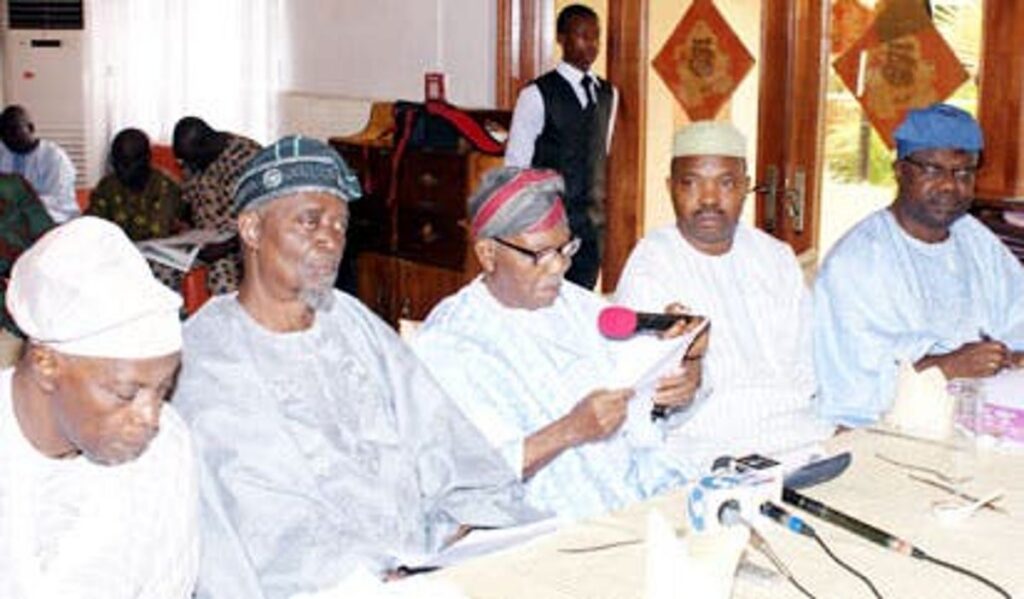

Afenifere emerged from a broader Yoruba progressive political tradition rooted in federalism, regional autonomy, social welfare, and democratic resistance.
Fasoranti eventually became one of its most respected leaders.
During military rule, organizations like Afenifere became part of the wider pro-democracy ecosystem resisting authoritarian centralization.
To supporters, the movement defended constitutional federalism and regional self-determination. To critics, it occasionally appeared overly regional.
Fasoranti’s leadership attempted to navigate that tension.
He represented a form of regional advocacy that sought legitimacy not through ethnic supremacy, but through constitutional argument and historical memory.
This distinction is crucial.
Nigeria’s diversity means that regional identity cannot simply be erased. The challenge has always been whether regional loyalty can coexist with national responsibility.
Fasoranti’s life suggests that it can.
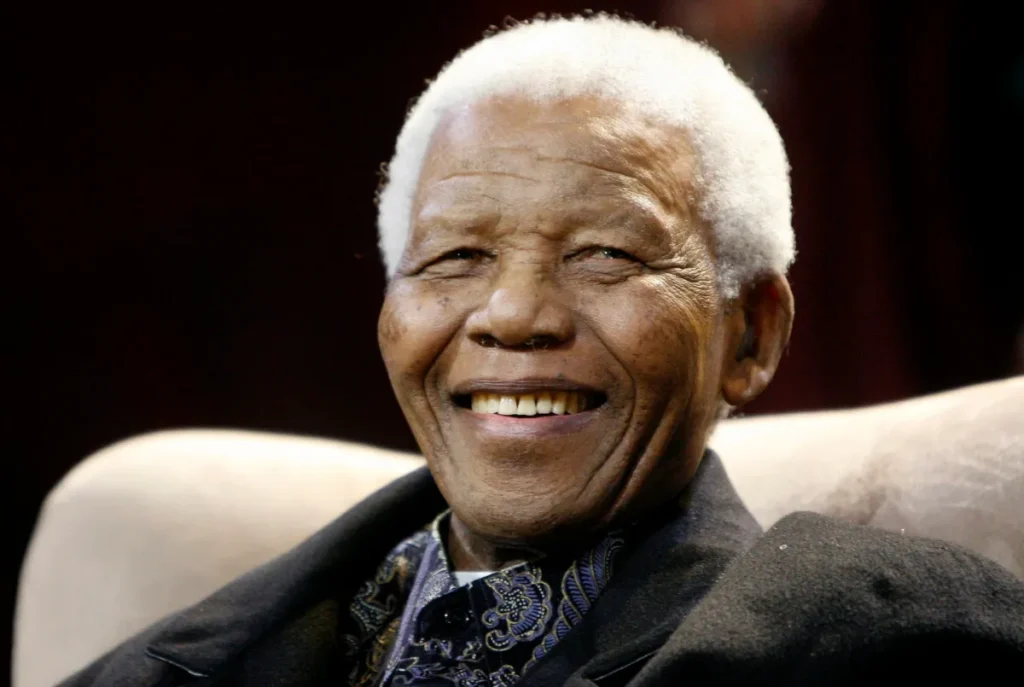
Like Mandela rooted in Xhosa political culture, or Havel shaped by Czech intellectual traditions, Fasoranti drew strength from a specific cultural environment while still speaking to broader national questions.
The Quiet Power of Moral Authority
Political office creates power.
But moral authority creates endurance.
That is perhaps the most important lesson of Fasoranti’s life.
Unlike many African strongmen, he never became president, military ruler, or billionaire political godfather. Yet his voice continued to carry weight long after formal office ended.
Why?
Because moral consistency accumulates slowly over time.
This is where comparisons with Nelson Mandela and Václav Havel become illuminating — not because their histories are identical, but because all three men illustrate how ethical credibility can outlast political systems.
Mandela emerged from prison with unusual moral legitimacy because he prioritized reconciliation over vengeance.
Havel became globally respected because he insisted on “living in truth” under authoritarianism.
Fasoranti’s influence operates differently; quieter, less internationally visible, more rooted in community memory — but it draws from the same principle:
Character can become political capital.
In fractured democracies, this kind of integrity functions as soft power. It calms tensions. It creates trust. It provides continuity when institutions weaken.
Nigeria, perhaps more than many countries, understands the value of such figures.
The Sultan’s Tribute and The Symbolism of National Respect
When the Sultan of Sokoto publicly honored Fasoranti, the moment carried significance beyond ceremony.
Nigeria’s political discourse is often framed through binaries:
- North versus South,
- Muslim versus Christian,
- ethnicity versus nationhood.
The tribute disrupted those assumptions.
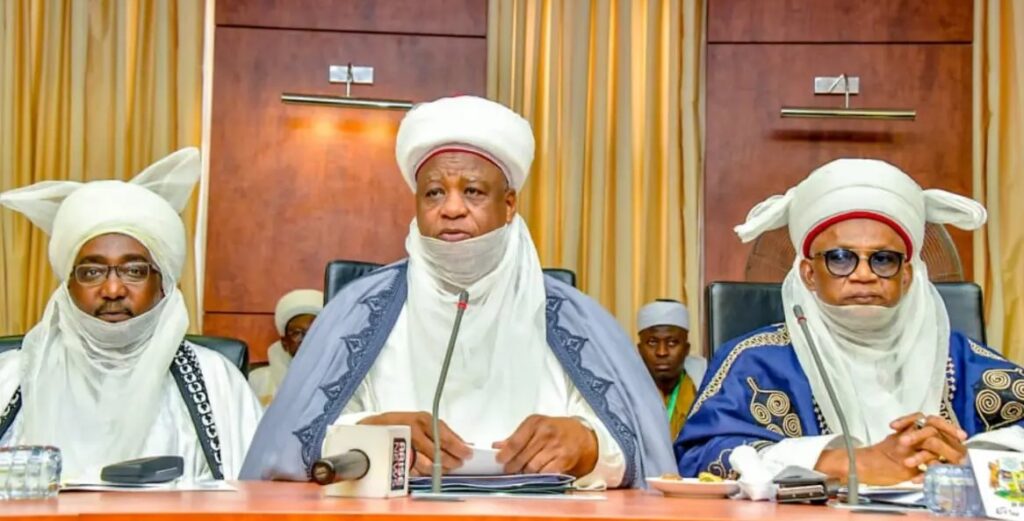
Here was the most prominent Muslim traditional authority in Nigeria celebrating a Yoruba Christian elder not as a sectional figure, but as a national asset.
Symbolically, it mattered because it suggested another possibility for Nigerian public life — one where ethical leadership can transcend identity blocs.
This does not erase Nigeria’s real tensions. Nor does it romanticize elite unity.
But symbolic gestures matter in fragile societies.
They shape emotional imagination.
In divided nations, citizens constantly search for proof that coexistence is still possible. Sometimes, a simple act of public respect carries more democratic value than hundreds of speeches.
The Sultan’s gesture effectively declared that integrity remains recognizable across religious boundaries.
That message may prove more important than many policy announcements.
A Century As National Memory
There is something profoundly important about a society that still listens to its elders.
Not blindly.
Not uncritically.
But respectfully.
At 100, Fasoranti has become more than a political actor. He is now a living archive.
He remembers colonial Nigeria.
He remembers the optimism of independence.
He remembers military interruption.
He remembers democratic restoration.
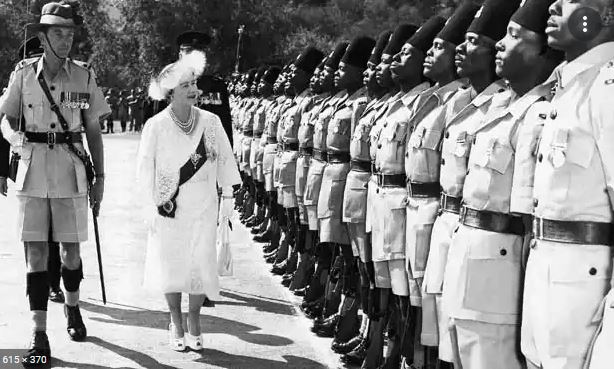
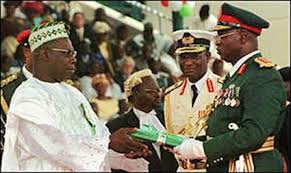
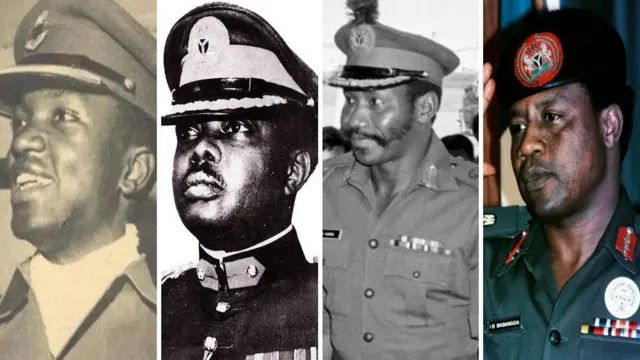
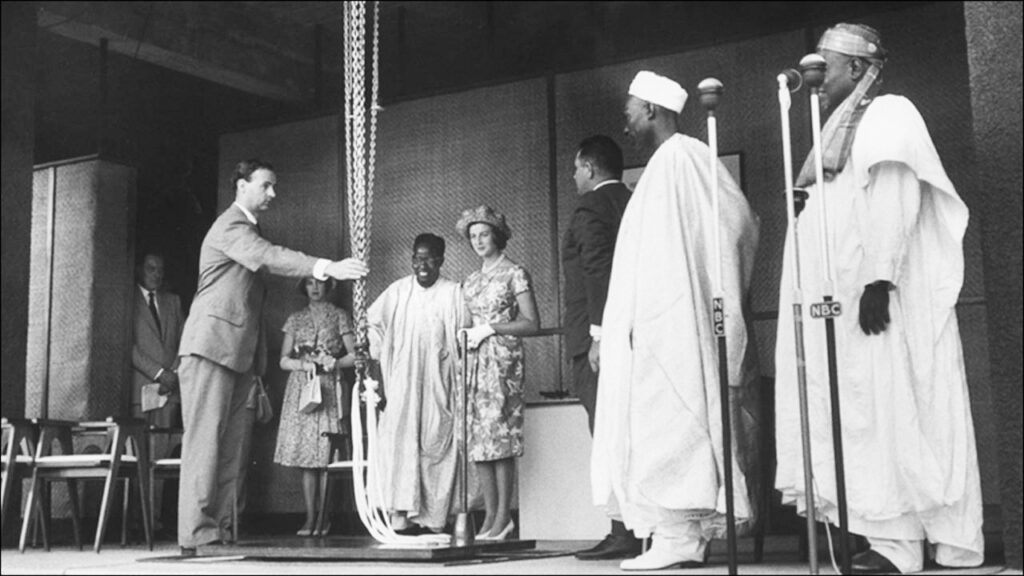
Such individuals carry institutional memory that textbooks alone cannot preserve.
Modern politics often rewards speed, performance, and constant reinvention. But nations also need continuity — figures capable of connecting generations emotionally and historically.
This is partly why centenarian statesmen occupy special symbolic space globally.
In Japan and parts of Scandinavia, long-serving educators and civic leaders are often treated as custodians of societal memory and ethical continuity.
Fasoranti increasingly occupies a similar position in Nigeria.
Not because he dominated politics, but because he endured with credibility intact.
What Africa Can Learn From Fasorani
Africa’s political future may depend less on charismatic populists and more on institution-builders.

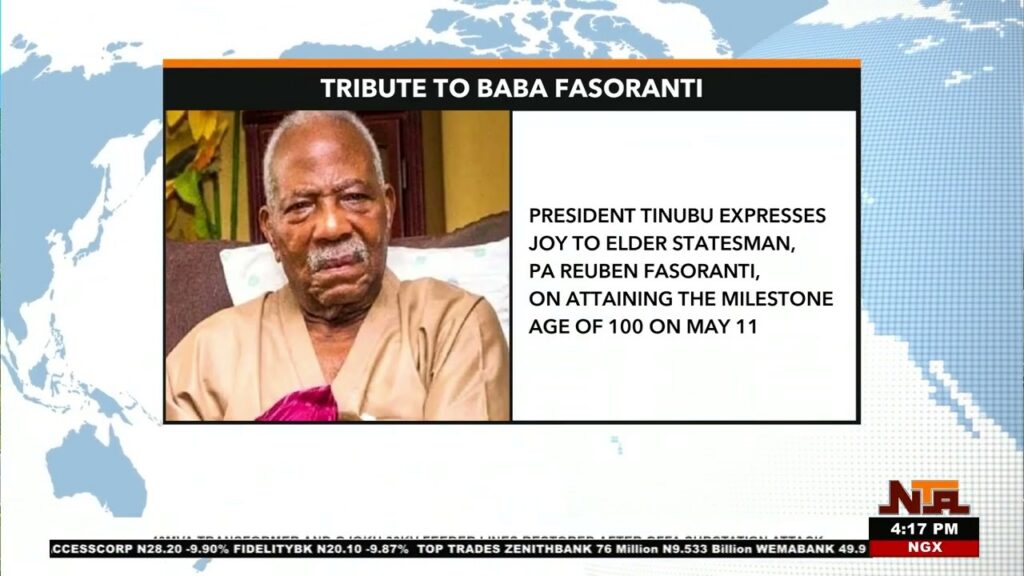

Fasoranti’s life offers several lessons.
1. Education Is National Security
Countries collapse slowly when education collapses. Schools are not peripheral institutions; they shape civic culture, productivity, and democratic behavior.
2. Integrity Has Strategic Value
Corruption is not merely financial theft. It destroys trust — and trust is essential for national cohesion.
3. Regional Identity Need Not Destroy National Unity
Federalism and cultural identity can coexist with patriotism when anchored in constitutional ethics rather than supremacy.
4. Moral Authority Outlives Political Office
The loudest leaders are not always the most enduring. Societies eventually remember builders more than performers.
5. Nations Need Ethical Elders
Rapid political turnover without historical memory creates instability. Elder statesmen provide continuity, caution, and moral perspective.
Conclusion
The Longest-Serving Builders
In the age of political spectacle, Chief Reuben Fasoranti represents an older philosophy of leadership — quieter, slower, less theatrical, but perhaps more durable.
His life reminds Nigeria that nations are not sustained only by constitutions or elections. They are sustained by citizens who dedicate decades to building schools, defending principles, managing public resources responsibly, and preserving moral credibility across generations.


That is why his story matters beyond Yorubaland.
Beyond party politics.
Beyond even Nigeria itself.
At 100, Fasoranti stands as evidence that ethical consistency can still command national respect in a cynical age.
And perhaps that is the deeper meaning of the Sultan’s tribute.
Not merely that one elder honored another.
But that, in a divided republic still searching for its moral center, Nigeria briefly recognized one of its quiet builders.