
The global shipping industry is at a crossroads. As the International Maritime Organization (IMO) tightens the noose on carbon emissions, nations are scrambling to align with a “Net Zero” future. For Nigeria, a maritime hub with a complex industrial landscape, this transition is not merely an environmental obligation; it is a race for economic survival and technological relevance.


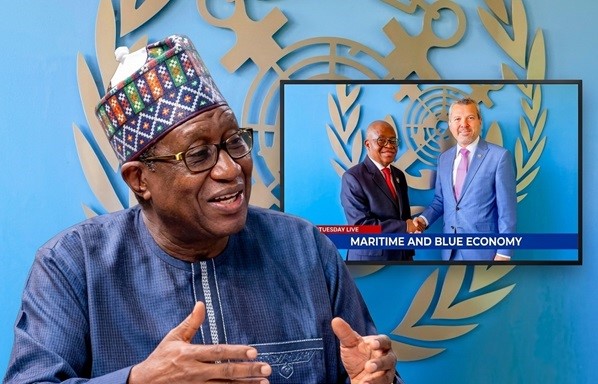
Based on insights from the recent NTA Tuesday Live session, industry leaders have outlined a blueprint for Nigeria’s maritime energy transition.
1. Demystifying the Baseline: What “Net Zero” Actually Means
Before a nation can reach a goal, it must define the finish line. In the maritime context, Net Zero is often misunderstood as the total elimination of smoke or activity. However, Dr. Oma Ofodeli, Director of Marine Environment Management at NIMASA, clarifies that the concept is one of equilibrium.

“It is extremely important that we understand the concept of net zero,” Dr. Ofodeli noted. “When you say net zero, it simply means balancing out your emission. What it means is that what you emit, you should be able to remove an equal amount from the environment.”
This “balancing act” forms the core of the IMO’s energy transition strategy. For Nigeria, the mission is to create a framework that allows for industrial growth while ensuring every ton of carbon emitted is offset by green technologies or carbon sequestration.
2. The LNG “Shortcut”: Leveraging Local Resources
While European nations pivot toward hydrogen and ammonia, Nigeria sits atop a goldmine of transitional fuels. Dr. Shehu Usman Gatu of NITT Zaria argues that Nigeria does not need to reinvent the wheel; it needs to leverage what it already has.
Dr. Gatu suggests that Liquefied Natural Gas (LNG) and Compressed Natural Gas (CNG) serve as a “shortcut” for the Nigerian maritime sector. By integrating these fuels into newer models of ships and boats operating within the Nigerian cabotage route, the country can achieve immediate emission reductions without the prohibitive costs of unproven technologies.
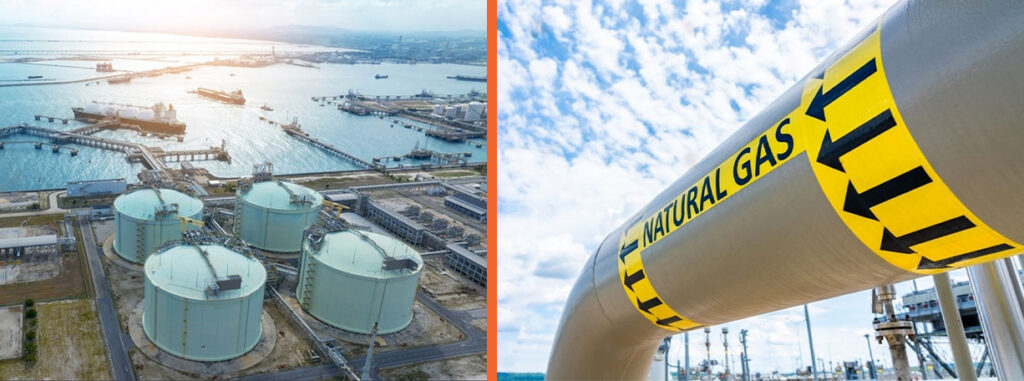

“Shipping has been trying for a long time to create alternative fueling systems… for Nigeria, I think we already have a shortcut,” Dr. Gatu emphasized.
3. Efficiency Through Digitalisation
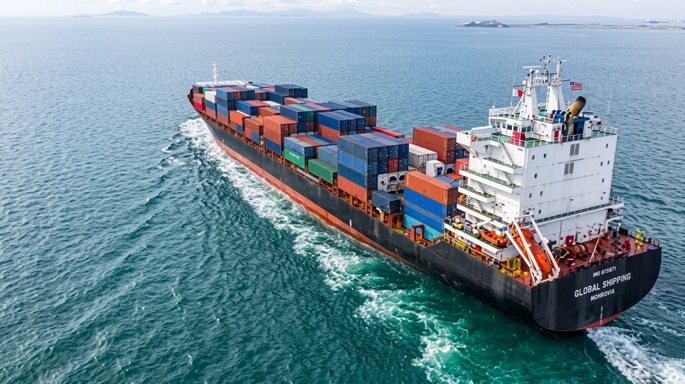
Environmental protection is often a byproduct of operational efficiency. One of the largest contributors to maritime pollution is “idle time”—ships sitting in ports with engines running while navigating bureaucratic red tape.
Captain Caleb Denladi, a specialist in port modernization, highlights that digitalizing port administration is a direct climate action.
- Reduced Turnaround Time: Faster processing means ships spend less time in port.
- Lower Emissions: Shorter stays directly correlate to a reduction in the release of sulfur and nitrogen oxides.
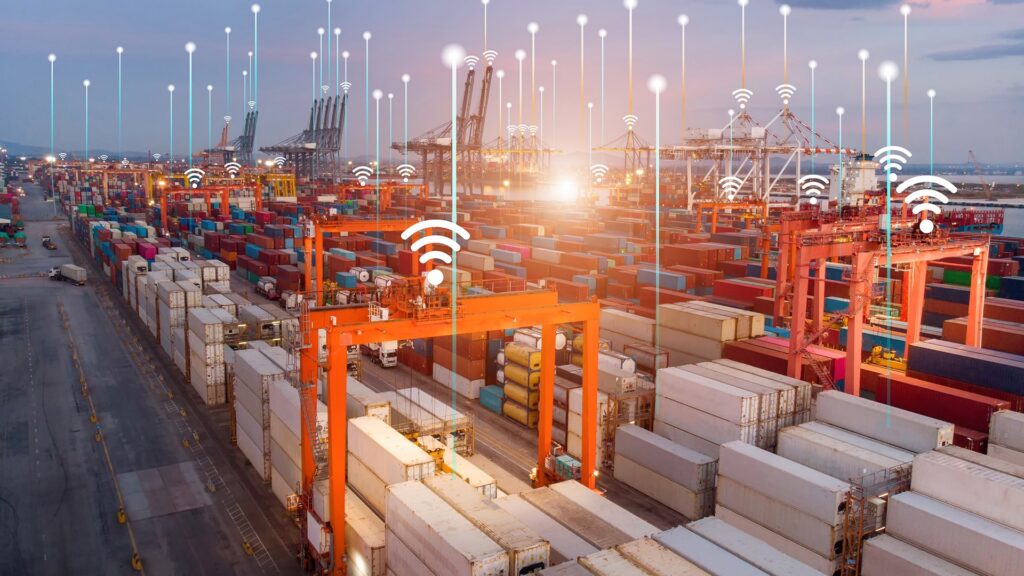

“By digitalizing these ports, it is going to improve the turnaround time of ships… the ships are emitting less sulfur and less nitrogen ox into the atmosphere,” Captain Denladi explained.
4. The Economic Stakes: The Net Zero Fund
The transition is not just about air quality; it is about the bottom line. Dr. Ofodeli issued a stern warning regarding the “Net Zero Fund”—a mechanism where non-compliant vessels pay a levy to offset their carbon footprint.
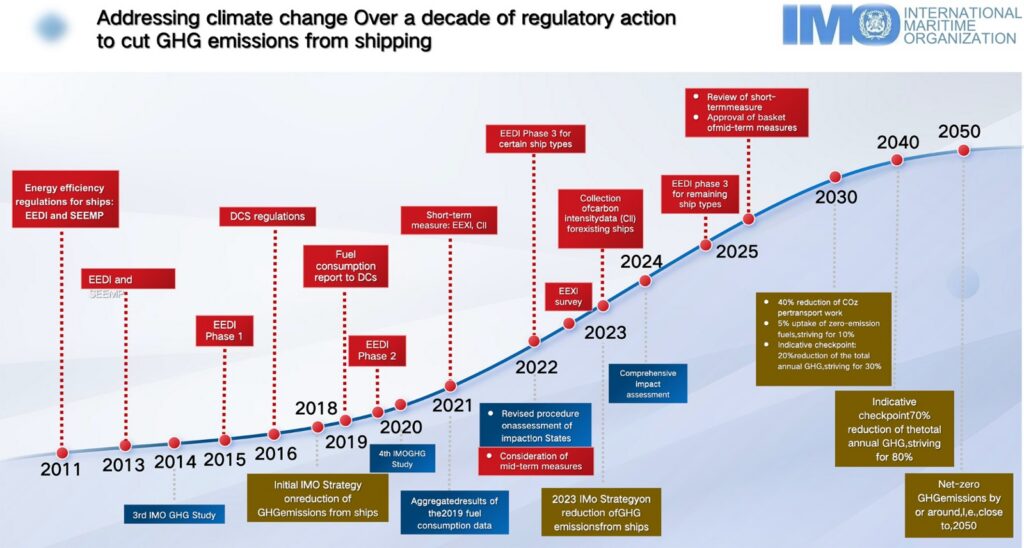
There is a looming risk of “green capital flight.” If African nations, including Nigeria, do not modernize their fleets, they will essentially subsidize the global fund without reaping the rewards.

“Africa… realizes that in that framework, we are short-changing ourselves,” Dr. Ofodeli warned. “You are the one paying most, but you’re not going to get back all what you have paid.”
The message is clear: Compliance is cheaper than compensation.
5. The “Skills Integrity” Crisis
The most sophisticated green ship is useless without a crew that understands how to operate it. Dr. Gatu points to a “Skills Integrity” crisis as a primary barrier to Nigeria’s maritime mission.
The transition to Net Zero is “skill-intensive.” Without a workforce trained in green propulsion, digital logistics, and carbon accounting, Nigeria’s maritime goals will remain theoretical.


“Without the skill, we continue to be gazing, we continue to use discretions, and we continue to be less efficient,” Dr. Gatu remarked. “Without the skill, we cannot make this kind of discussions materialize really.”

Conclusion: A Mission Defined
Nigeria’s path to a Net Zero maritime sector rests on four pillars: Clear definitions, local fuel utilization, digital efficiency, and aggressive human capital development. As the world moves toward a cleaner horizon, Nigeria must ensure it is not just a passenger on this journey, but a captain of its own sustainable destiny.