
By Malami Haruna Dogon daji
ABUJA, September 17 2026
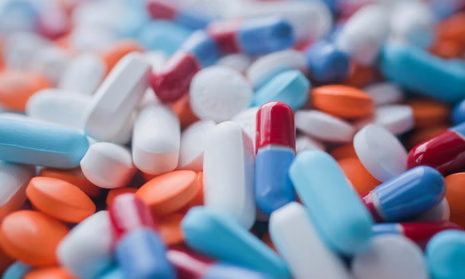
Nigeria has a counterfeit medicine problem, and it’s no longer just a regulatory headache but it is, a public health emergency. Fake and substandard drugs are killing thousands of people every day, especially children, even as regulators say they’re cracking down harder than ever.
The human cost
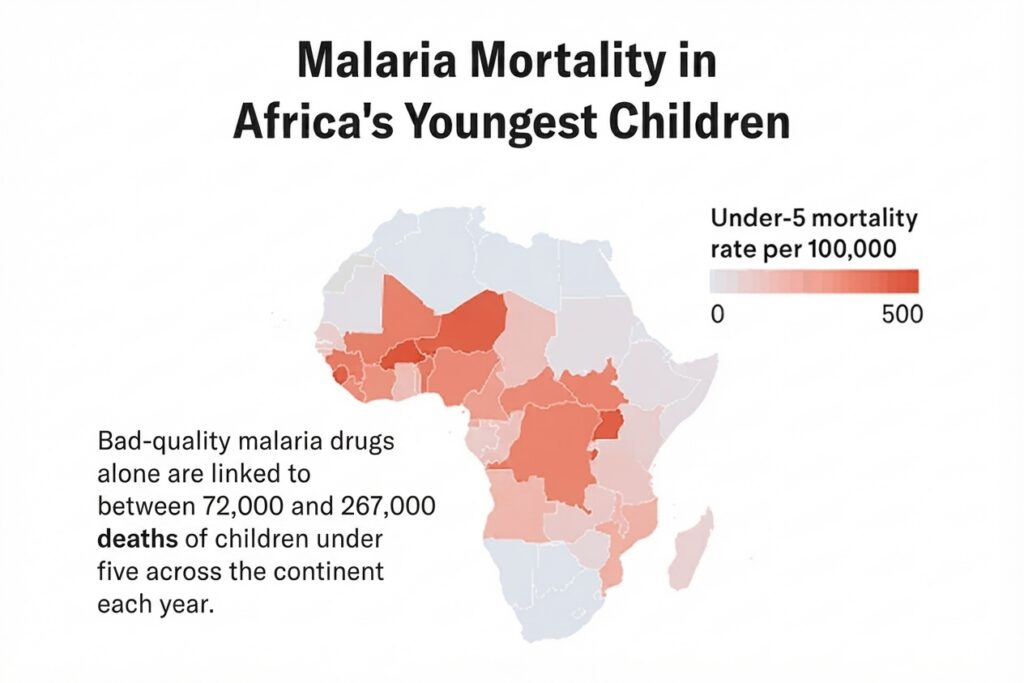
Across Africa, the World Health Organization estimates fake and substandard medicines kill more than 100,000 people a year. Nigeria carries an massive share of that horrendous burden.
Bad-quality malaria drugs alone are linked to somewhere between 72,000 and 267,000 deaths of children under five across the continent each year. Substandard antibiotics add another 72,000 to 169,000 childhood pneumonia deaths annually. And malaria itself killed nearly 185,000 Nigerians in 2024 — about 30% of all malaria deaths worldwide.
One NAFDAC enforcement official didn’t mince words: the people behind this trade are “worse than armed robbers,” because they kill quietly, through poison sold as medicine.
A criminal industry, not just bad luck
This isn’t sloppy manufacturing — it’s organized crime. In some Nigerian markets, 40 to 70% of the drugs on shelves have little or no real active ingredient in them at all.
When NAFDAC raided major open drug markets in February 2025, it shut down more than 11,000 shops and seized 138 truckloads of suspect medicine worth over a trillion naira. Between 2023 and 2026, the agency destroyed fake and substandard goods worth more than 1.54 trillion naira in total — nearly 28 billion naira of that in pharmaceuticals alone.
Behind it all: a mix of foreign traffickers, local middlemen, and officials on the take — profiting off what many Nigerians simply call “blood money.”
The real problem is: how often the crime gets punished?
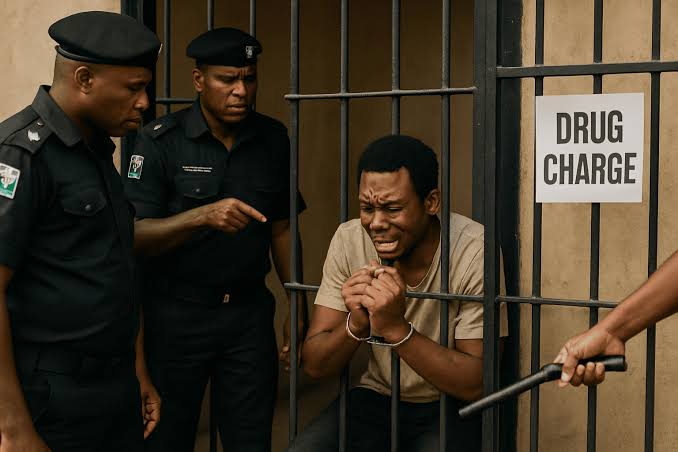
Here’s where it falls apart. NAFDAC ran over 5,200 investigations and nearly 46,000 surveillance operations in three years — but only 40 cases actually went to prosecution, and just six people were convicted in 2024. In 2025, of 114 suspects arrested, only 16 cases even made it to court.
The drug enforcement agency (NDLEA) isn’t doing much better — only about 18% of its 77,792 arrests led to convictions by early 2026. Evidence gets mishandled, trials drag on for years, and prosecutors and investigators often aren’t working from the same page.
What’s being done — and what’s still missing
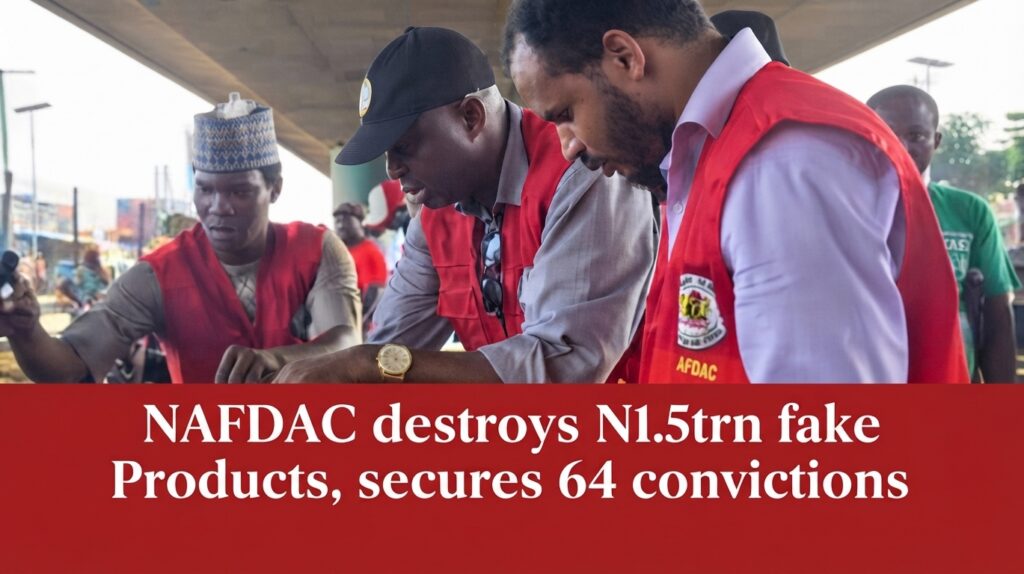
To be fair, there’s been progress. NAFDAC pulled 7,210 bad products off the market between May and July 2026 alone, and secured a record 64 convictions over the past year. In May 2026, it also partnered formally with Nigeria’s consumer protection commission to close some of the gaps.
But experts point to deeper cracks:
- Weak prosecutions. Investigations rarely turn into real court cases.
- Agencies don’t talk to each other. Customs, immigration, police, and health regulators all work in silos, with no shared, real-time intelligence.
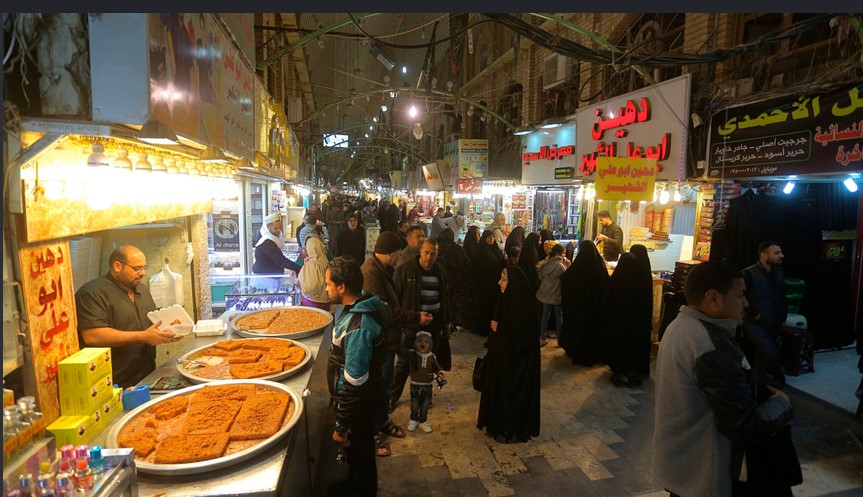
- The big markets keep operating. Places like Bridge Head in Onitsha and Idumota in Lagos remain major distribution hubs, raid after raid.
- The punishment doesn’t fit the crime. One to seven years in prison, with no mandatory fines, isn’t much of a deterrent for a trade this profitable.
What needs to change
Experts have a fairly clear roadmap:
- Toughen the law — make large-scale trafficking a serious criminal offense, with life imprisonment on the table for ringleaders.
- Set up fast-track courts dedicated to pharmaceutical crime, with their own prosecutors and forensic labs.
- Build one intelligence unit that actually connects NAFDAC, customs, immigration, NDLEA, and the EFCC.
- Track medicines with QR codes or blockchain from the port all the way to the pharmacy counter.
- Shut down markets where more than a fifth of tested drugs turn out to be fake.
- Pay whistleblowers — 10 to 20% of the value of what gets seized — to expose the networks from the inside.
- Force agencies to publish quarterly numbers: arrests, prosecutions, convictions, how long trials actually take.
- Run a national campaign teaching people how to check if their medicine is real, using NAFDAC’s app and SMS verification tools.
The bottom line
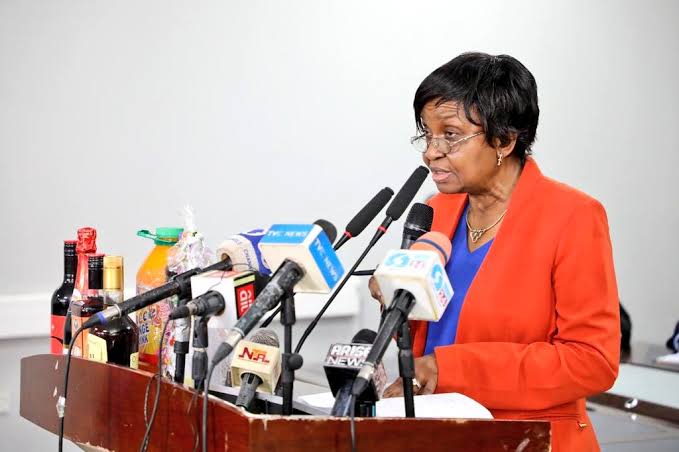
As NAFDAC’s Director-General, Professor Mojisola Adeyeye, put it: “Nigerians deserve medicines that heal, not kill.”
The seizures and raids make headlines. But the real question is whether Nigeria can move past symbolic crackdowns and actually build a justice system that puts the people running this trade behind bars — not just their stock.
Want me to tighten it further for a specific format — say, a shorter web version, or something punchier for social?
Contac