
Compiled By: Malami Haruna Dogondaji
02 NOVEMBER, 2026
Thirty-seven people died in the custody of the Nigeria Security and Civil Defence Corps (NSCDC) in Minna, Niger State, on September 17, 2026. After weeks of investigation, a Federal Government panel found that they died from suffocation caused by severe overcrowding, poor ventilation, heat and dehydration—not disease, torture or poison.
This is not only a story about one terrible night. It is a story about weak supervision, poor detention conditions, ignored cries for help, and a failure of duty that turned an arrest into a national tragedy.
What Happened
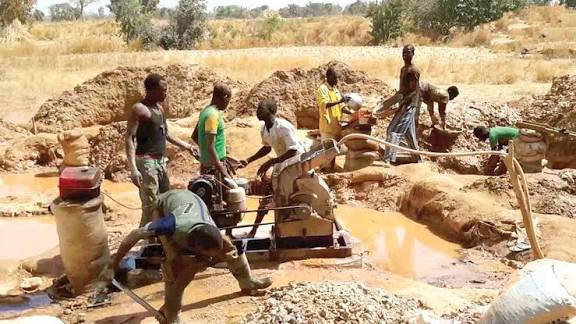
The victims were arrested during operations against suspected illegal mining around the M.I. Wushishi Estate and Lukoto areas of Minna on September 15 and 16, 2026. They were then held in NSCDC custody, where 37 of them died the following day.
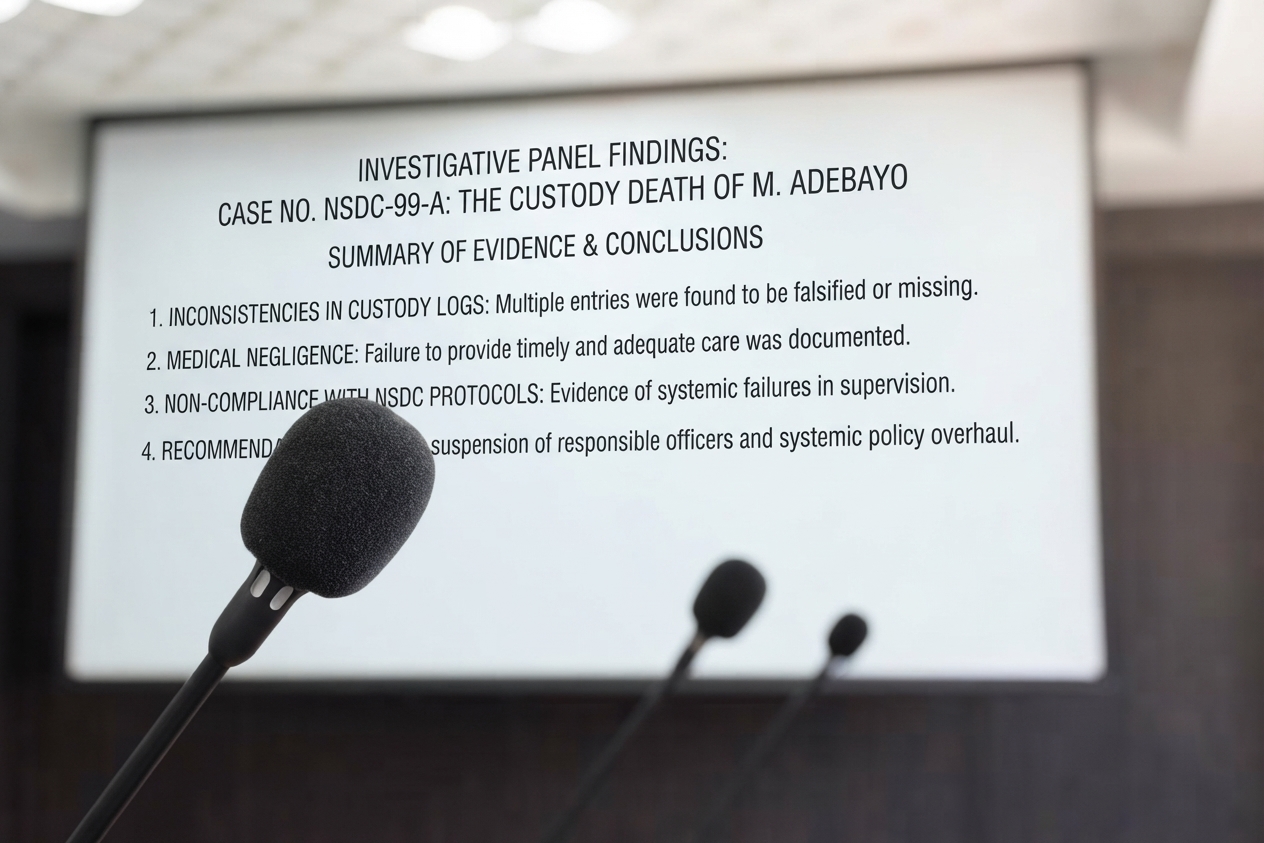
The Independent Investigative Committee, set up on the directive of President Bola Ahmed Tinubu and inaugurated by Interior Minister Olubunmi Tunji-Ojo, examined the arrests, detention, deaths and responsibility of officers. Its chairman, retired Department of State Services Deputy Director-General Jonathan Kure, presented the panel’s report in Abuja on October 27, 2026.
The committee found that the deceased, including 14 minors, died from environmental asphyxia—a dangerous lack of oxygen. The panel said the cell was severely overcrowded, poorly ventilated and extremely hot, while detainees suffered dehydration
The Findings That Matter
The investigation did not rely on rumours. The panel visited Minna, inspected the detention facility, conducted autopsies, reviewed forensic and documentary evidence, and interviewed NSCDC personnel, survivors, relatives and other witnesses.

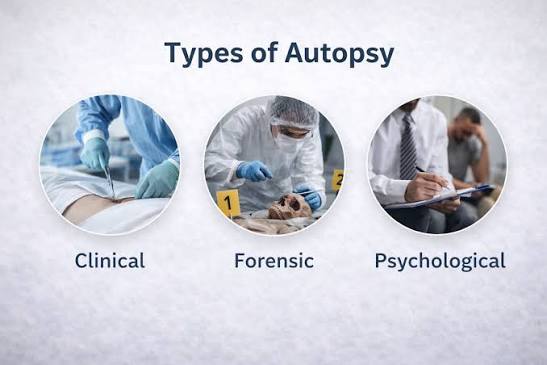
Committee member Professor Mikhail Olayinka Buhari said forensic investigation ruled out a disease outbreak, physical torture and toxic chemicals as causes of death.
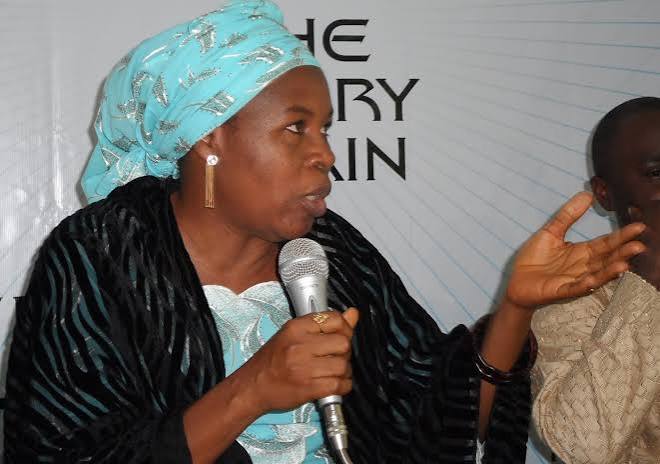
Journalist
Another member, journalist Zainab Suleiman Okino, said survivors’ accounts largely matched the forensic and autopsy findings.
That matters because early official explanations suggested a possible disease outbreak. The panel rejected that explanation and found instead that the deaths were preventable and linked to unlawful detention conditions, poor care, weak supervision and ignored distress calls.
Facts at a Glance
| Issue | Verified finding |
|---|---|
| Date of deaths | September 17, 2026 |
| Location | NSCDC custody, Minna, Niger State |
| Number dead | 37 suspected illegal miners |
| Minors among the dead | 14 |
| Survivors | 44 |
| Cause of death | Asphyxiation—lack of adequate oxygen |
| Contributing conditions | Overcrowding, poor ventilation, extreme heat, dehydration |
| Ruled out by forensics | Disease outbreak, physical torture, toxic chemicals ] |
| Investigating body | 10-member Federal Government Independent Investigative Committee |
| Committee chair | Jonathan Kure, retired DSS Deputy Director-General |
| Report submitted | October 27, 2026 |
| Compensation recommended | N1.4 billion for families of the dead and survivors |
Why the Cries for Help Matter
Survivors told investigators that detainees were packed into a poorly ventilated cell, after which 48 more people were added. When people began collapsing, they reportedly begged officers for water and said the heat was unbearable, but their appeals were ignored.
The committee found that detainees repeatedly cried for help and showed signs of severe distress through the night. It concluded that the failure to respond was part of a broader breakdown in duty of care.

This is the heart of the case. A person in custody does not lose the right to life. Section 33 of Nigeria’s Constitution protects the right to life, and detainees remain entitled to humane treatment, due process and protection from preventable harm.
Accountability and Reform
The panel recommended summary dismissal of the Niger State NSCDC Commandant and other officers directly involved in the detention and the events leading to the deaths. It also called for prosecution of culpable officers in line with the law.
Before the panel completed its work, the Federal Government suspended the state commandant and 20 other officers connected with the incident. The Interior Ministry also warned that any attempt to destroy evidence, intimidate witnesses or obstruct investigation would be treated as a serious offence.
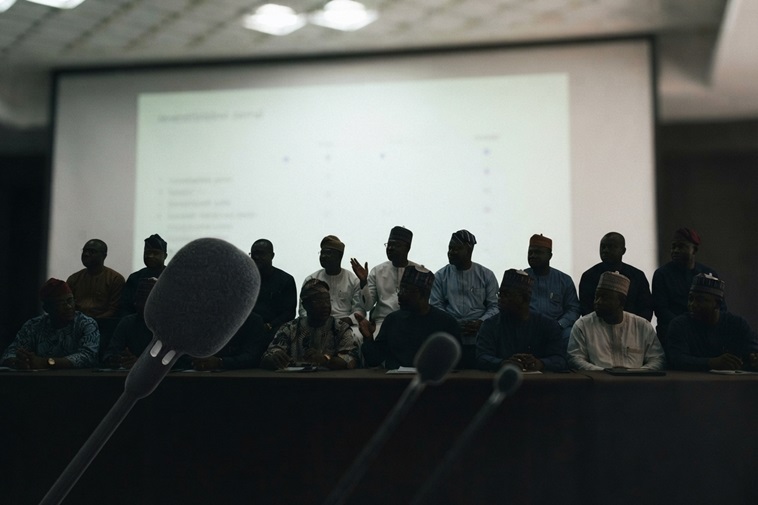
The committee recommended more than punishment. It called for a full overhaul of NSCDC detention practices: better facilities, stronger supervision, improved officer training, proper record-keeping, lawful authorization of operations, and respect for constitutional and human-rights standards.
Why This Is Not Only About Miners
Some people may say, “They were suspected illegal miners.” That response misses the point.
Being suspected of a crime is not the same as being guilty. And even where a person is guilty, the law does not allow officers to expose them to conditions that can kill them. The question is not whether illegal mining should be tackled; it is whether the state may deny people oxygen, water, space and emergency care while they are in its custody.
The panel’s finding that the deaths were “entirely preventable” makes this a test of Nigeria’s institutions. If the country only punishes a few officers but leaves overcrowded cells, weak supervision and poor operational planning unchanged, the same danger will remain.
What Must Happen Now
- The Federal Government should implement the compensation, education, medical and psychological-support recommendations without delay.
- Officers found responsible should face fair, transparent disciplinary and legal processes.
- NSCDC detention facilities nationwide should be independently inspected for overcrowding, ventilation, heat, water access and emergency response.
- Every arrest and detention operation should have clear authorization, accurate records, adequate supervision and a duty officer responsible for detainee welfare.
- Families and survivors deserve regular public updates until compensation, prosecution and reforms are completed.
A Call to Every Nigerian
This story should not end when the headlines fade. Thirty-seven families are waiting for justice; 44 survivors are living with the memory of that night; and millions of Nigerians deserve assurance that no one can be taken into custody and left to die in silence.
Ask your elected representatives to demand a public implementation report on the committee’s recommendations. Support responsible journalism, peaceful civic engagement and lawful oversight. Speak for reform—not revenge, and not division. Nigeria’s peace will be stronger when institutions are held to the standard that every life, including the life of a detained person, matters.
If we fail to act, we will not only mourn 37 people. We will leave open the door for the next preventable tragedy.