
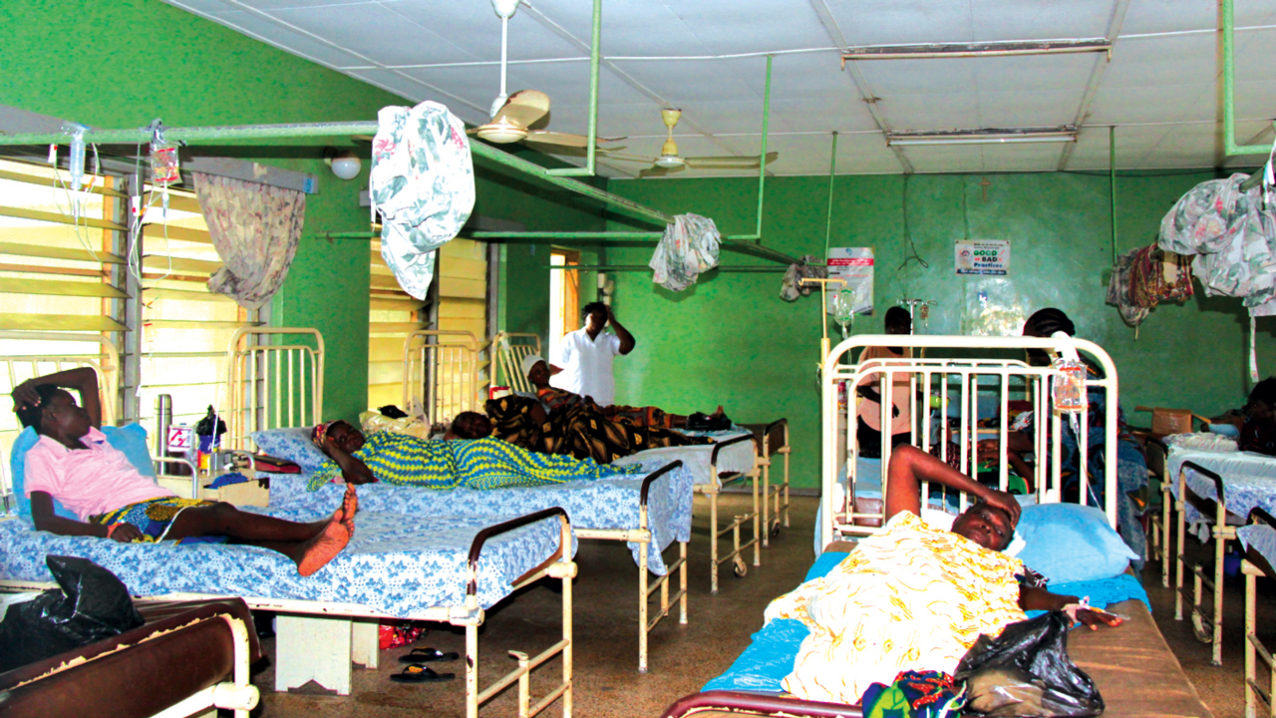
When a person is rushed to a hospital following a road accident, sudden illness, severe bleeding or another medical emergency, getting immediate medical attention can make the difference between life and death.
However, concerns over hospitals allegedly turning away emergency patients, demanding deposits before treatment or delaying care over administrative requirements have continued to raise questions about patients’ rights in Nigeria.
The issue has returned to the spotlight following a proposed amendment to the National Health Act, 2014, which seeks to establish clearer emergency treatment standards and penalties for healthcare providers who fail to comply.
The bill, sponsored by Senator Abdulaziz Musa Yar’Adua, recently passed second reading in the Senate. It proposes a fine of up to ₦300,000, imprisonment of up to six months, or both, for healthcare providers and facilities found guilty of violating its provisions.
But while lawmakers consider stricter measures, many Nigerians may not know that the existing National Health Act already protects people seeking emergency medical attention.
Here are some important things Nigerians should know about their rights when they arrive at a hospital with an emergency patient.
What the law already says
- Hospitals cannot refuse emergency treatment. Section 20 says no healthcare provider, health worker or health establishment shall refuse a person emergency medical treatment for any reason. The penalty is a fine of ₦100,000, up to six months in prison, or both.
- Payment should not delay emergency care. Because emergency treatment cannot be refused for any reason, deposits or administrative requirements should not be used to deny it. This does not mean all later hospital services are free.
- No bed does not mean abandonment. Section 17 requires a facility that cannot provide the needed treatment to refer the patient to one that can.
What the proposed amendment would add
These are proposals, not current requirements.
- Hospitals licensed for emergency services would begin preliminary medical assessment within 15 minutes of arrival. A trained, certified nurse could do this if no doctor is available.
- Basic stabilisation, such as oxygen, intravenous fluids, pain management and preliminary diagnostics, would begin within 30 minutes. Life-threatening conditions would need immediate action, including CPR, airway management and bleeding control.
- Patients needing admission would get a bed within two hours. Hospitals without beds must start referral arrangements, with an ambulance or other transport dispatched within 30 minutes of the referral decision.
- Relevant health workers would need emergency care training and certification at intervals of no more than 18 months.
- Practitioners who document genuine resource limitations and follow referral procedures would be protected.
The bill has been referred to a Senate committee and is not yet law.
What to do if a hospital refuses or delays treatment
- Put the patient’s safety first. Go to another emergency facility rather than letting a dispute delay care.
- Document what happened. Where safe, note the hospital’s name, time of arrival, the nature of the emergency and the reason given for the refusal or delay.
- Keep evidence. Save medical records, receipts, referral notes and messages.
- Make a formal complaint. Section 30 lets a person complain about how they were treated and have it investigated. Health establishments must display their complaint procedures visibly. You can also seek guidance from your State Ministry of Health or the relevant regulatory authority.