
As developing nations and global energy markets closely monitor international diplomatic corridors for macroeconomic stability, United States President Donald Trump has firmly ruled out unfreezing Iranian assets or lifting economic sanctions before a comprehensive peace deal is finalised. The declaration directly counters Tehran’s strict demands for an immediate multibillion-dollar financial release as a precondition for ongoing talks.
The $24 Billion Precondition Standoff
The diplomatic impasse hinges on a massive financial dispute between the two nations. Iran has demanded the immediate release of $12 billion in frozen assets currently held in Qatar as a mandatory requirement to continue negotiations with the US, with an additional $12 billion to follow later.
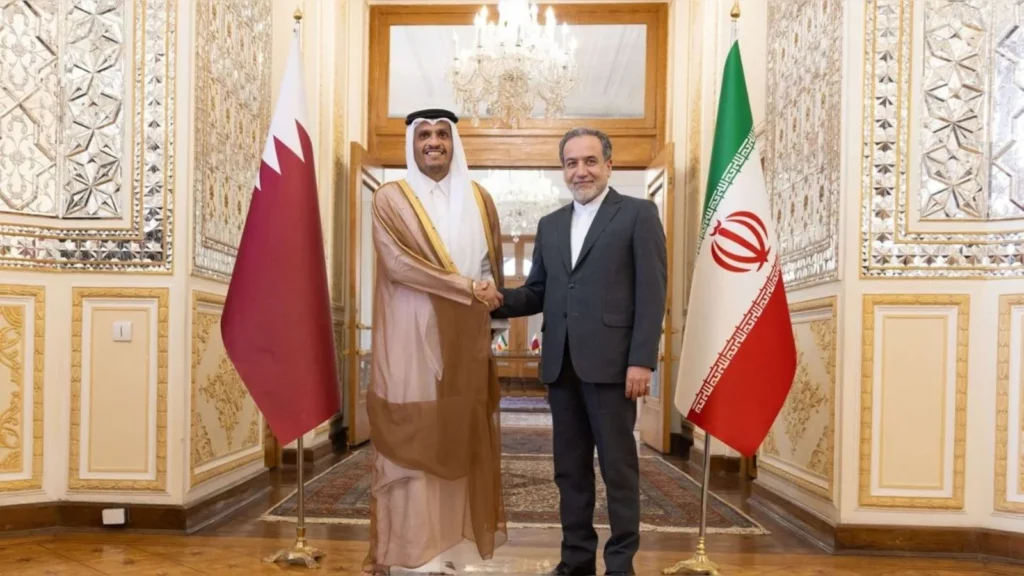
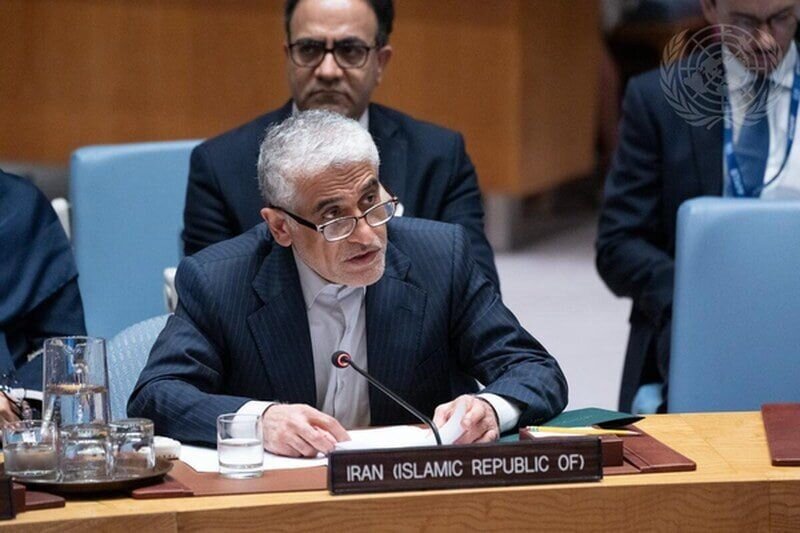
Iranian negotiators have characterised this combined $24 billion as the last serious disagreement preventing the talks from advancing to the next stage. Iranian state media and officials close to the discussions maintain that no agreement is possible until these specific funds are fully deposited.
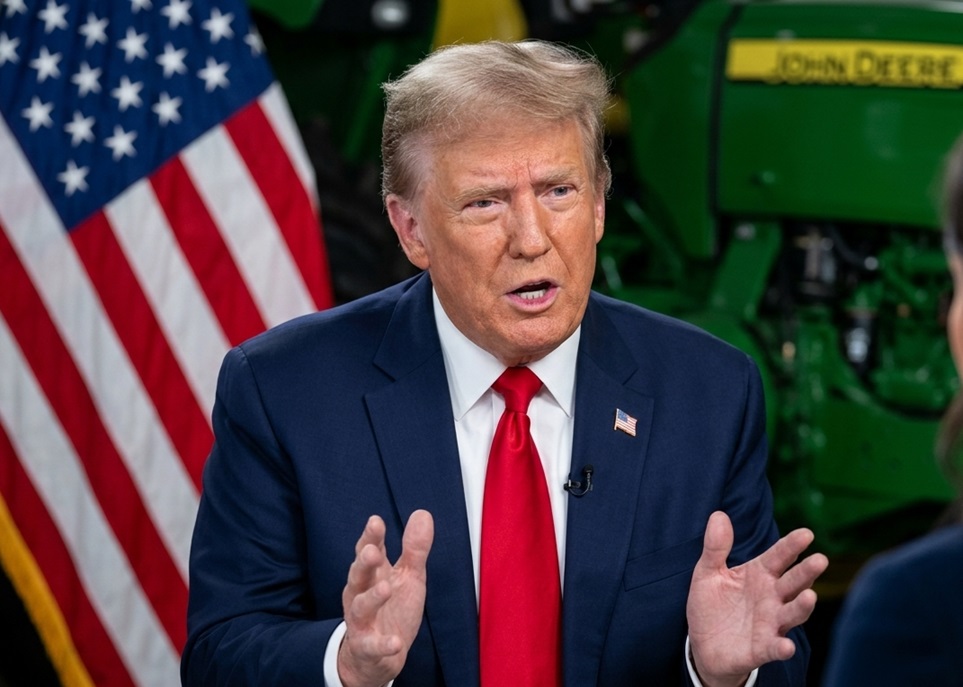
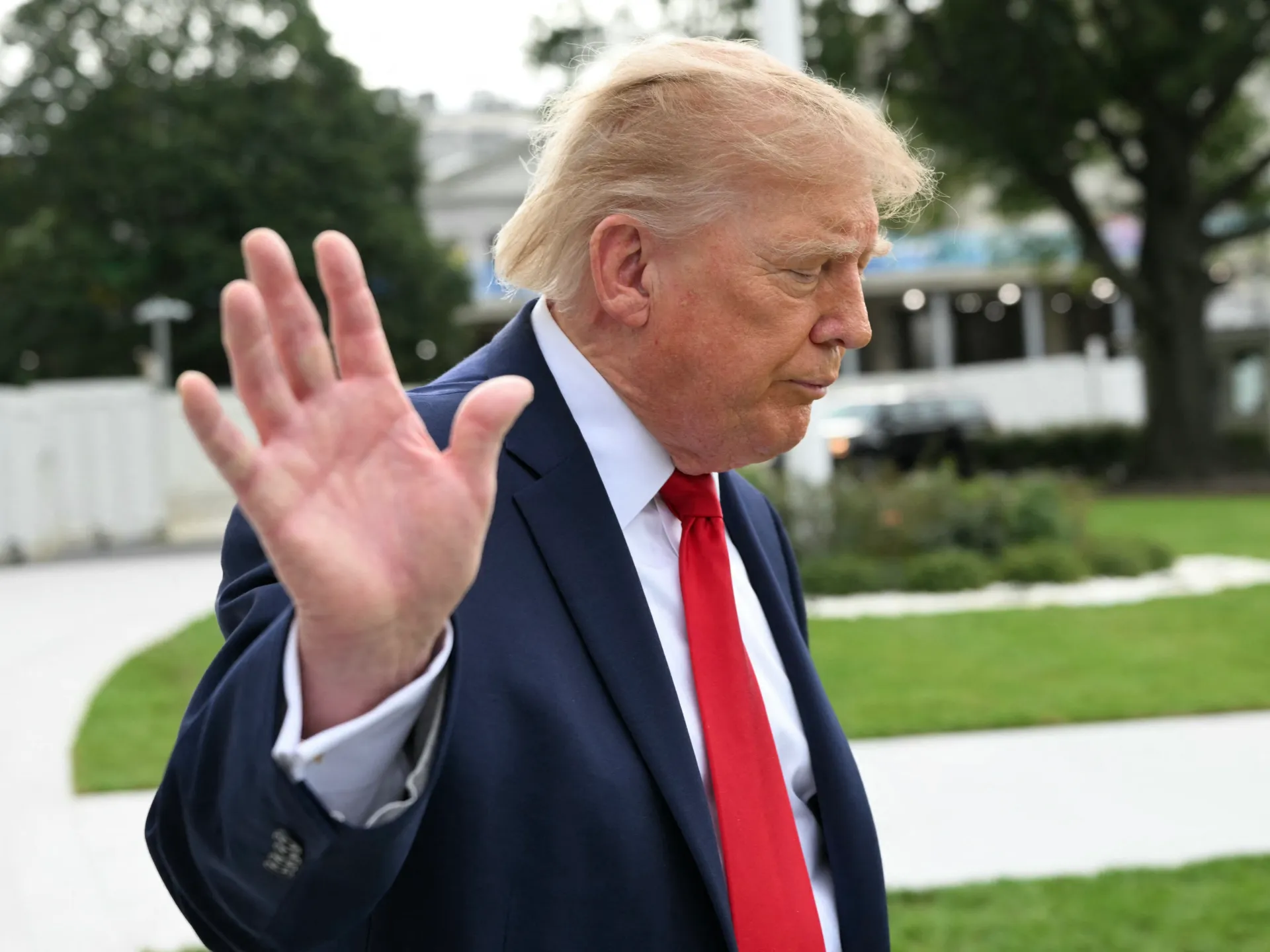
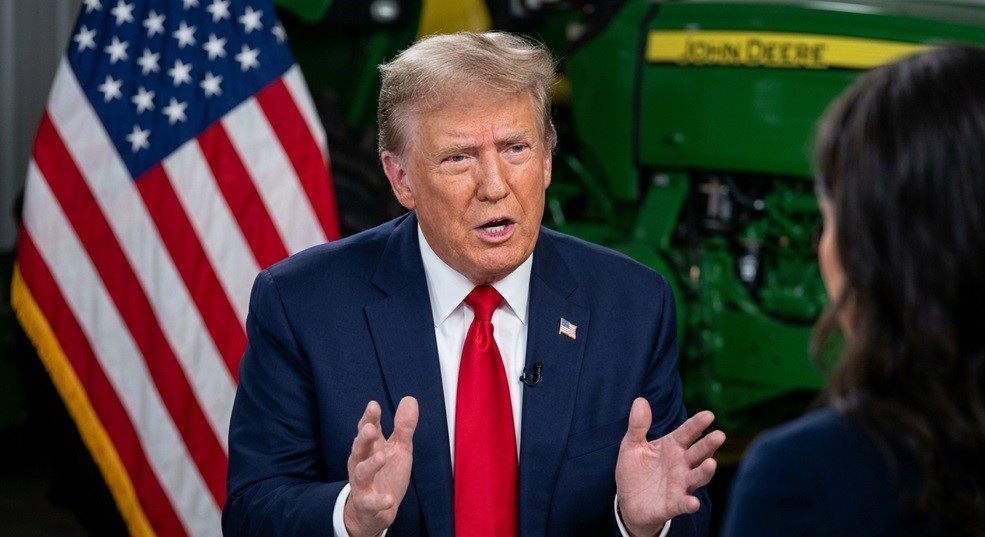
“That comes later. Yes, if they act appropriately, if they perform well, we can start discussions.”
— US President Donald Trump, during an NBC News interview broadcast on Sunday.
The US government has completely refrained from confirming any prior agreement to release these funds. In fact, American officials previously refuted international news reports suggesting a preliminary agreement had been reached to unfreeze a portion of the assets in Qatar.
Uranium Stockpiles and the Nuclear Mandate
Despite the financial friction, Trump indicated that the US and Iran are currently very close to an agreement, claiming that Tehran has conceded it will not pursue nuclear weapons. The proposed framework includes an apparent pledge by Iran to completely relinquish its stockpile of highly enriched uranium, though the precise operational logistics remain unclarified.
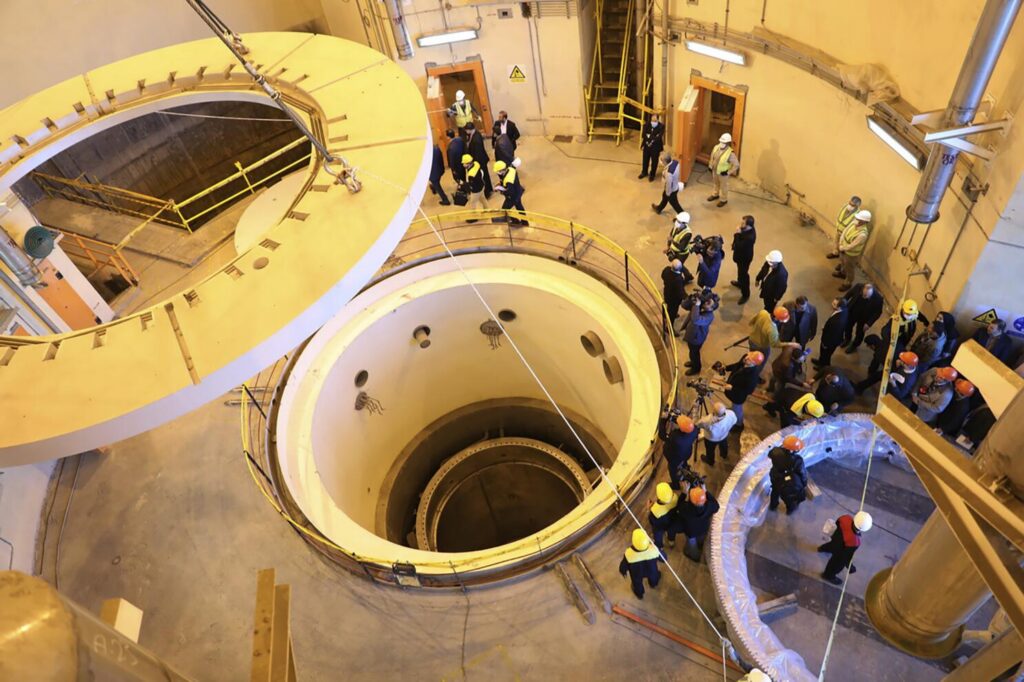
International oversight data highlights the urgency of these containment talks. The International Atomic Energy Agency (IAEA) reported in early 2025 that Iran’s stockpile of 60% enriched uranium had escalated to over 400 kg, marking a near 50% increase from the previous year and sparking deep verification anxieties among global watchdogs.
Trump asserted that the US is fully prepared to collaborate with Iran to reclaim and safely destroy this highly enriched uranium using specialised American equipment. However, the US President delivered a stark warning for the alternative scenario, stating that if no deal is struck, the US will further weaken Iran’s military and retrieve the uranium independently.
Strategic Leverage and the 2026 Timeline
The current outbreak of diplomatic and military friction is entirely separate from the 2015 Joint Comprehensive Plan of Action (JCPOA), which Trump famously abandoned during his first term in office. Trump noted that this specific phase of the confrontation has persisted for three months, tracking the origin of the current stand-off to around March 2026.
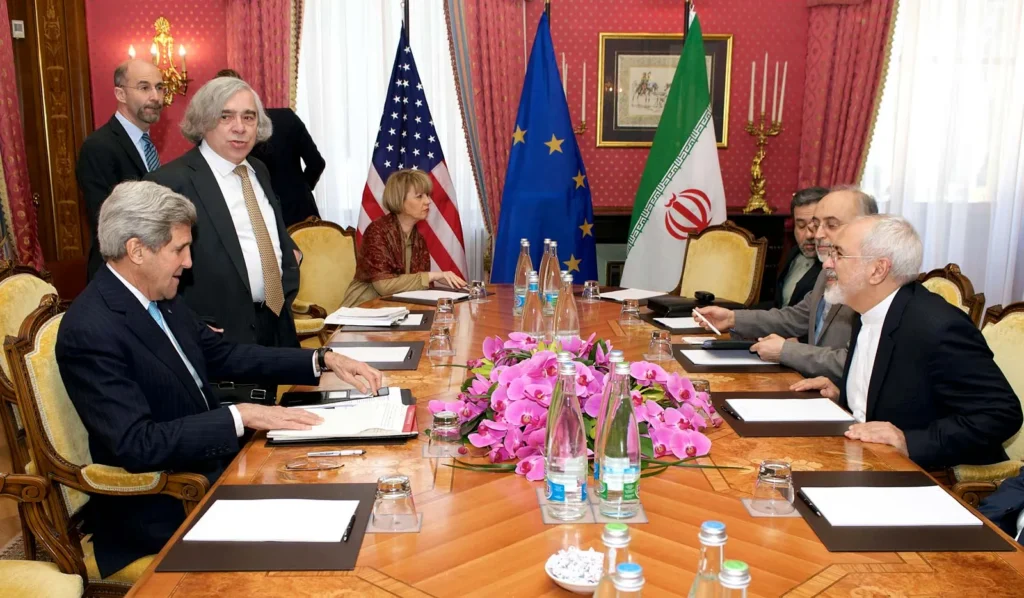
American foreign policy officials have strongly advised against any premature financial concessions, expressing concern that unfreezing funds early would eliminate a critical point of leverage over the Iranian regime. Furthermore, Trump’s political allies have warned that transferring billions of dollars before nuclear rollbacks are verified would look like a reward to the regime, which would alienate his domestic political base.
Fast Facts: The US–Iran Diplomatic Standoff
| Category | Detail |
| Trump’s Position | Absolute refusal to unfreeze Iranian assets or lift sanctions before a deal is signed. |
| Iran’s Demand | Immediate release of $12 billion in Qatar, followed by an additional $12 billion ($24 billion total). |
| Key Sticking Point | The $24 billion asset dispute is cited as the final barrier to next-stage negotiations. |
| Nuclear Concession | Iran has reportedly conceded on nuclear weapons ownership and agreed to surrender enriched uranium. |
| US Uranium Plan | Joint destruction of uranium if a deal is reached; unilateral US removal if negotiations fail. |
| Conflict Duration | Trump indicates the current active confrontation began around March 2026 (persisting for three months). |
The Social Call-to-Action (CTA)
What do you think? How will President Trump’s hardline stance on Iranian assets impact global crude oil stability and diplomatic relations across developing economies? Share your perspective on NTA’s official X (formerly Twitter) and Facebook platforms using the hashtag #NTADigitalDiplomacy.