
Recovered public assets are being given a new purpose as the Economic and Financial Crimes Commission (EFCC) continues efforts to ensure that proceeds of crime are returned to projects that directly benefit Nigerians.
In the latest demonstration of that commitment, the EFCC has handed over 1,452 recovered hostel items to the Federal Ministry of Education to improve student accommodation in Federal Unity Colleges across the country.
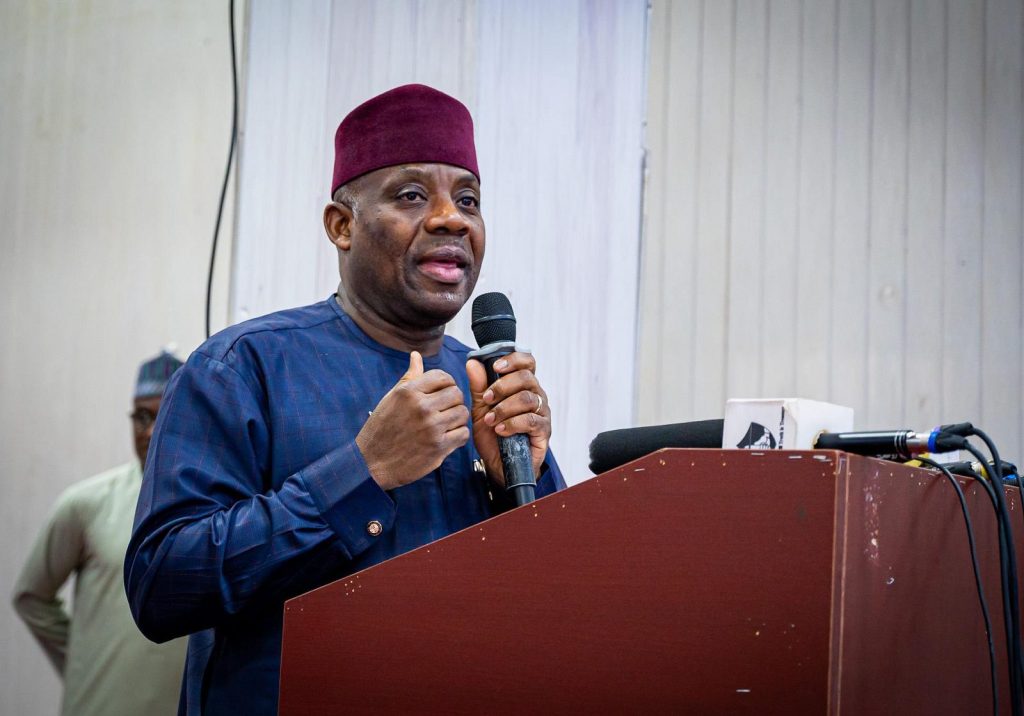
The handover ceremony took place in Abuja, where the Minister of Education, Dr. Tunji Alausa, personally received the recovered assets on behalf of the Ministry.
The items include 501 double-decker bunk beds, 939 mattresses and 12 wooden beds with mattresses, all recovered by the Commission during its anti-corruption operations.
Speaking at the ceremony, EFCC Chairman Ola Olukoyede said the handover underscores the Commission’s commitment not only to recovering stolen public assets but also to ensuring they are returned to meaningful public use.
He noted that asset recovery remains a vital aspect of the EFCC’s anti-corruption mandate, adding that every recovered asset should ultimately serve the interests of the Nigerian people.
Receiving the items, Dr. Tunji Alausa commended the EFCC for its sustained efforts in combating corruption and for redirecting recovered assets to support the education sector.
The Minister said the hostel items would be distributed to Federal Unity Colleges nationwide to improve students’ living conditions and provide a more conducive learning environment.
He also assured Nigerians that the Ministry would ensure the items are properly allocated and effectively utilised for the benefit of students.
During the ceremony, officials of the EFCC and the Federal Ministry of Education signed a Deed of Release, formally transferring ownership of the recovered assets to the Ministry.
Providing further insight into the recovery, EFCC Chairman Ola Olukoyede revealed that the hostel items were recovered during Operation Eagle Flush, one of the Commission’s largest crackdowns on cybercrime.
According to him, the operation, conducted towards the end of 2024, resulted in the arrest of 792 suspects, including several foreign nationals. He said those found culpable were investigated, prosecuted, convicted and, in the case of the foreign nationals, repatriated after serving their prison terms.
Olukoyede explained that the transfer of the recovered assets to the Federal Ministry of Education was carried out in line with the Proceeds of Crime Act and reflects the Federal Government’s commitment to ensuring that assets recovered from criminal activities are transparently redirected towards national development.
He stressed that children and young people are often among the greatest victims of corruption and financial crimes, adding that it is only fitting that recovered assets be channelled into initiatives that improve their education and future opportunities.
The EFCC Chairman also highlighted the Commission’s previous contributions to the education sector, including the transfer of a forfeited university facility that now serves as the Federal University of Applied Sciences, Kachia, as well as the deployment of recovered proceeds of crime to support the take-off of the Nigerian Education Loan Fund (NELFUND).
According to Olukoyede, approximately 1.4 million students have already benefited from the student loan programme through tuition support and monthly upkeep allowances, helping to ease financial burdens that could otherwise make young people vulnerable to cybercrime and other financial offences.
The handover is in line with the Federal Government’s ongoing efforts to ensure that recovered public assets are redirected towards initiatives that promote national development and improve the well-being of citizens. The administration has consistently maintained that proceeds recovered from corruption should be transparently deployed to sectors that deliver measurable benefits, particularly education, healthcare and infrastructure.
The initiative also reflects the Federal Government’s policy direction under the Renewed Hope Agenda, which places emphasis on strengthening public institutions, enhancing accountability and expanding access to quality education. Officials say the transfer of the recovered hostel items is another demonstration of the administration’s commitment to translating anti-corruption gains into tangible developmental outcomes that improve learning conditions for students and contribute to the nation’s long-term socio-economic growth.