
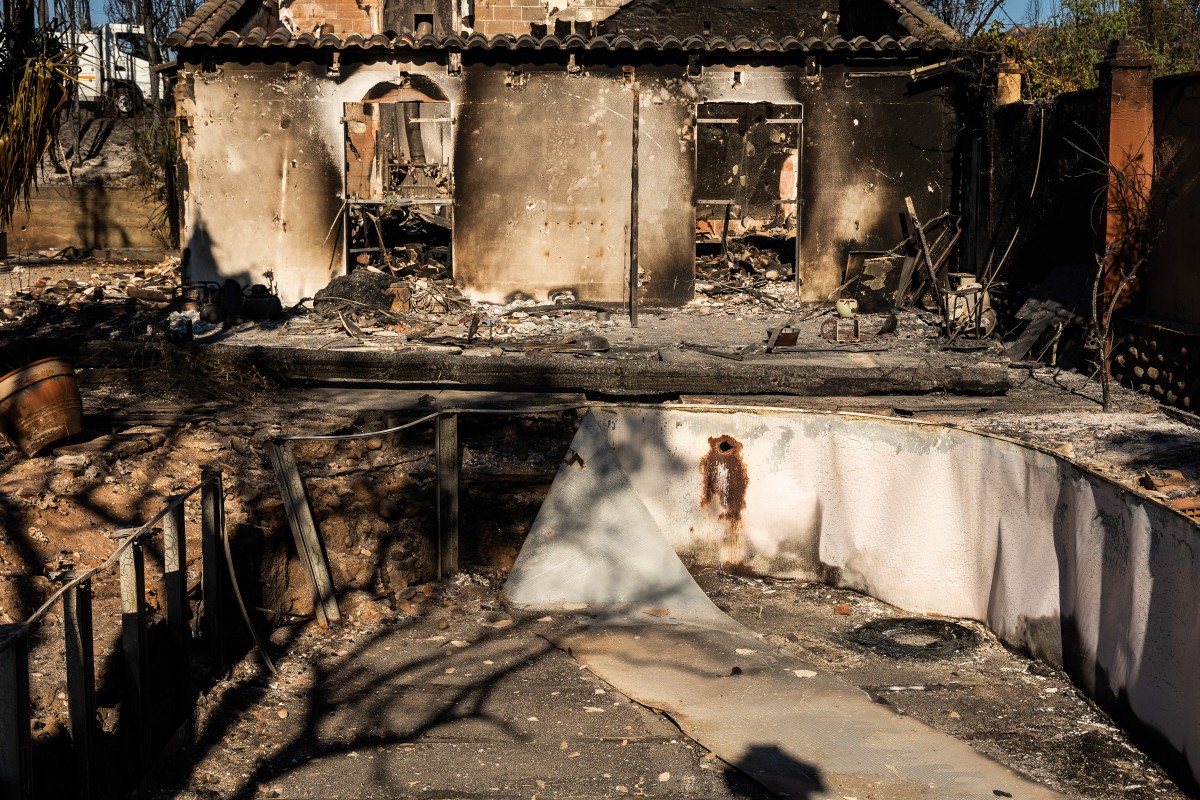
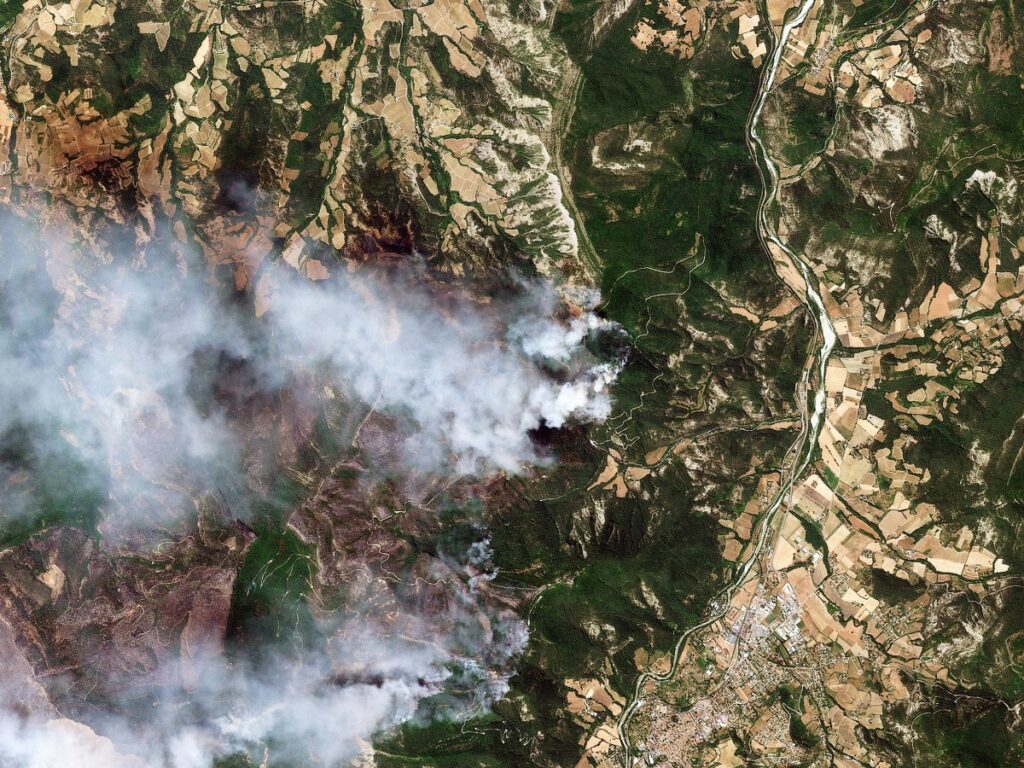
As Nigeria intensifies its own green economy and climate adaptation strategies under the Federal Ministry of Environment, a severe climate emergency is unfolding across Europe: France is currently battling a relentless wave of wildfires in its south and southwest.
An Unprecedented Climate Emergency
These destructive blazes are being driven by an extreme combination of record heat, severe drought, dry vegetation, and strong winds. The aggressive conditions have forced the emergency evacuation of about 10,000 people from towns and villages situated near the Spanish border.
The scale of the devastation is mounting rapidly. By July 6, 2026, officials confirmed that the primary wildfire had already burned roughly 4,600 hectares of land. Concerningly, reports indicated that the massive blaze remained completely out of control as of that date.
A Strained Response
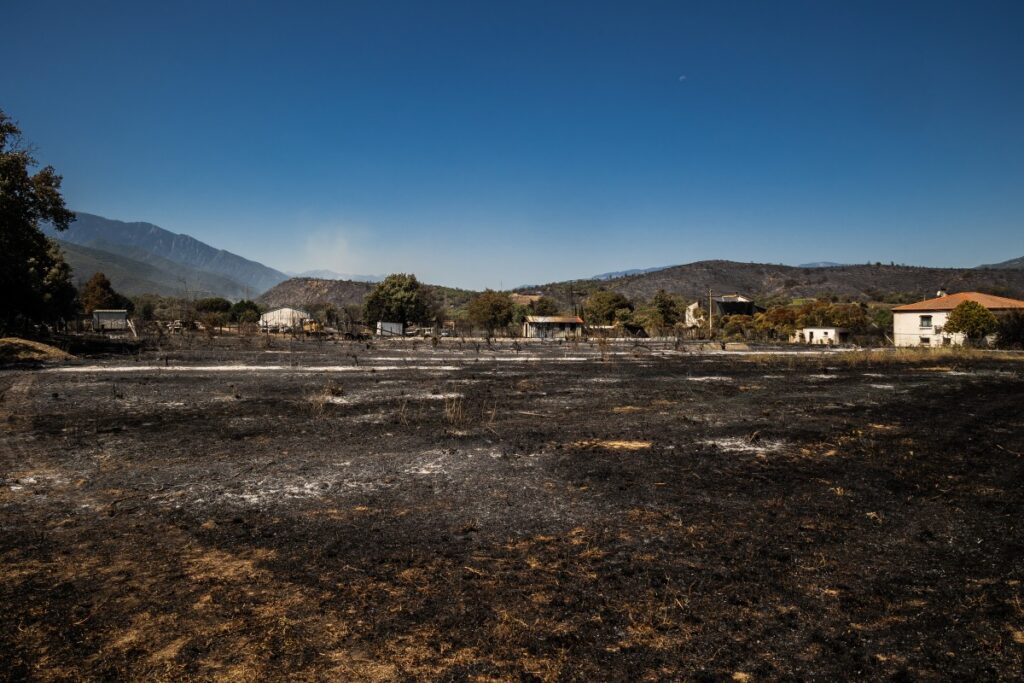
The relentless nature of these fires has burned large areas of land and stretched firefighting resources dangerously thin across multiple French departments. Earlier in July, separate fires in southern France ravaged hundreds to thousands of hectares, prompting massive deployments of firefighters across the Aude, Hérault, and surrounding regions.
“French officials have warned that the season is starting earlier than usual and that climate conditions are making suppression harder.”
A Global Wake-Up Call
These incidents are not isolated anomalies on the continent. The fires in France are part of a wider, alarming European pattern of early and intense wildfire activity following severe heatwaves.
For policymakers across Africa, the situation in Europe underscores the urgent need for proactive environmental governance. As climate conditions worsen globally, early preparation and resilient emergency frameworks remain the strongest defence against nature’s extremes.
Context Box: Fast Facts on the French Wildfires
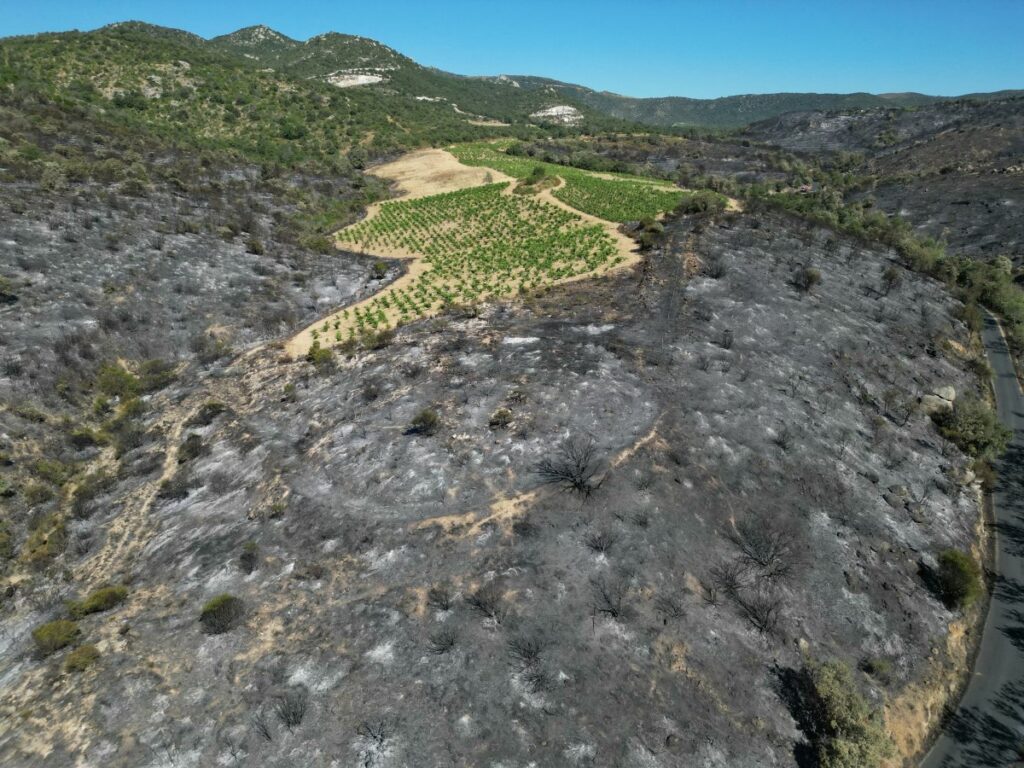
- Total Area Burned: Roughly 4,600 hectares as of July 6, 2026.
- Displaced Citizens: About 10,000 people evacuated in southwestern France.
- Affected Regions: South and southwest France, including Aude, Hérault, and areas near the Spanish border.
- Root Causes: Record heat, extreme drought, dry vegetation, and strong winds.
The Social Call-to-Action (CTA): As global temperatures rise and weather patterns shift, how can Nigeria better prepare its emergency response systems for extreme climate events? Share your thoughts on this unfolding global crisis with us on NTA’s X (formerly Twitter) and Facebook pages using #NTAClimateWatch.