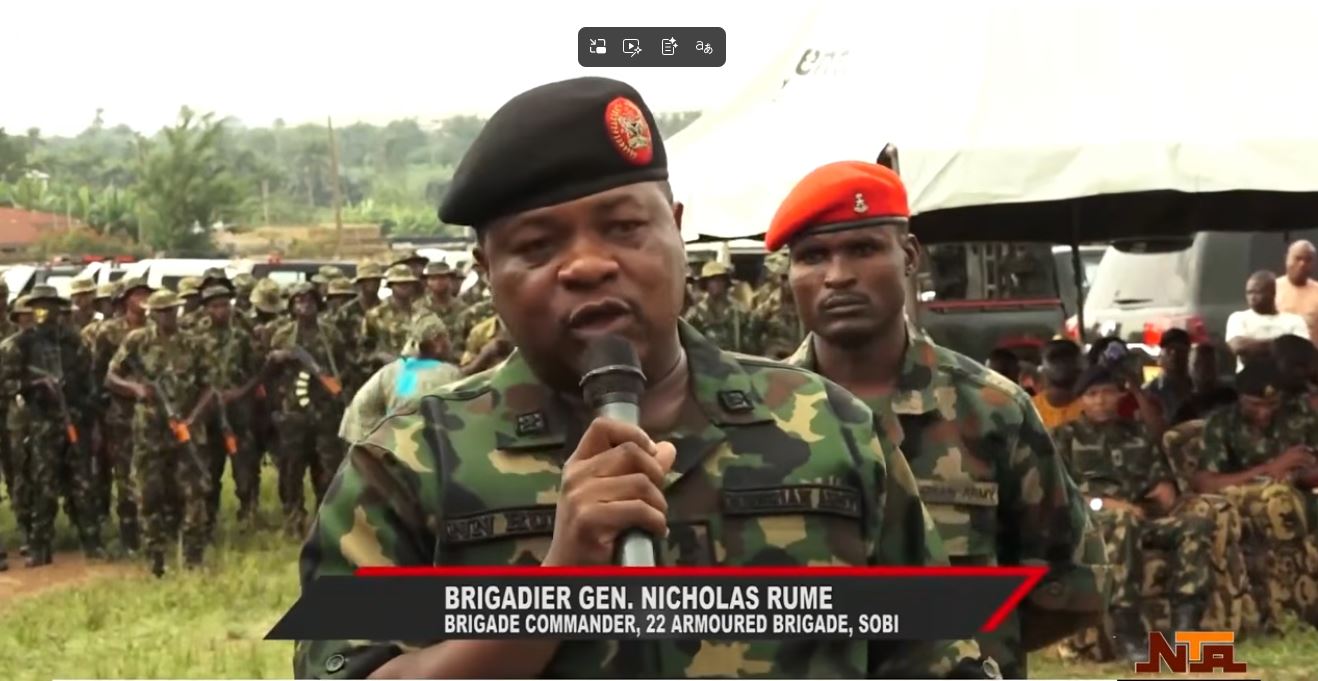

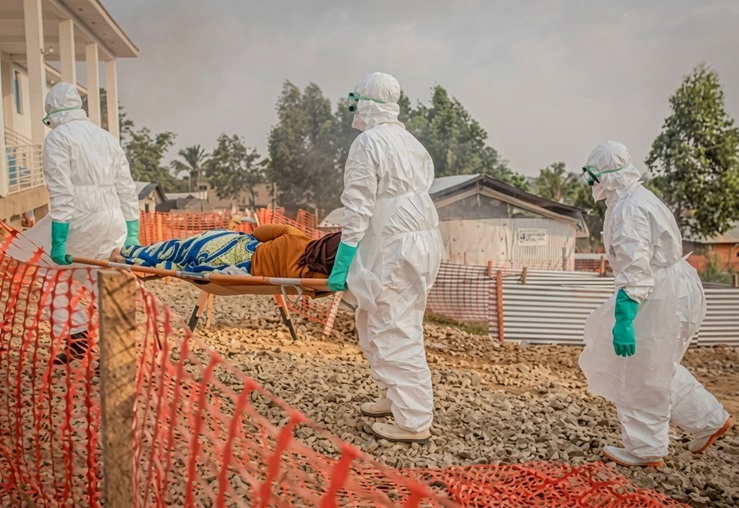
As the Democratic Republic of Congo grapples with the fastest-growing Ebola event on record, African health authorities are on high alert. In Nigeria, public health officials, including Muhammad Ali Pate, the Coordinating Minister of Health and Social Welfare, are closely monitoring what has rapidly become a regional emergency with major international implications.
An Unprecedented Public Health Emergency
The Ebola outbreak in the Democratic Republic of Congo is deepening fast. The World Health Organization (WHO) has warned that the crisis is moving faster than response teams can keep up in the affected areas.
African health authorities describe the current situation as the fastest-growing Ebola event on record. Confirmed cases and deaths continue to rise rapidly across eastern Congo and beyond its borders.
The Bundibugyo Strain
This outbreak is being caused by the Bundibugyo virus disease, a form of Ebola first identified in Uganda in 2007. This marks the 17th Ebola outbreak recorded in the DRC since 1976.
By early July 2026, WHO reports showed more than 1,400 confirmed cases in the DRC, accompanied by several hundred confirmed deaths.
Context Box: Fast Facts on the 2026 Outbreak
- Virus Strain: Bundibugyo virus disease.
- Current Toll: Over 1,400 confirmed cases and several hundred deaths as of early July 2026.
- International Spread: Confirmed cases documented in Uganda and one imported case in France.
- Treatment Roadblocks: There are currently no approved Bundibugyo-specific vaccines or licensed therapeutics.
Conflict and Community Transmission
This outbreak is exceptionally dangerous because it is driven by rapid transmission in conflict-affected and hard-to-reach parts of eastern DRC. WHO cautions that insecurity, high population movement, weak healthcare access, and reliance on informal treatment settings are heavily complicating containment efforts.
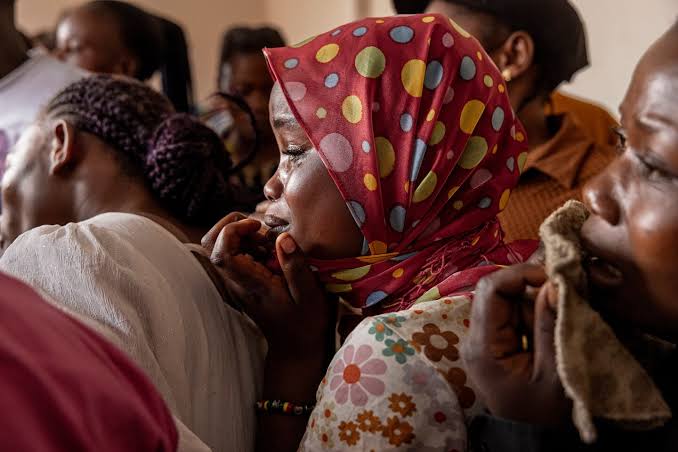
Another severe concern is that the virus is spreading in areas where community deaths are being recorded before patients can even reach treatment centres.
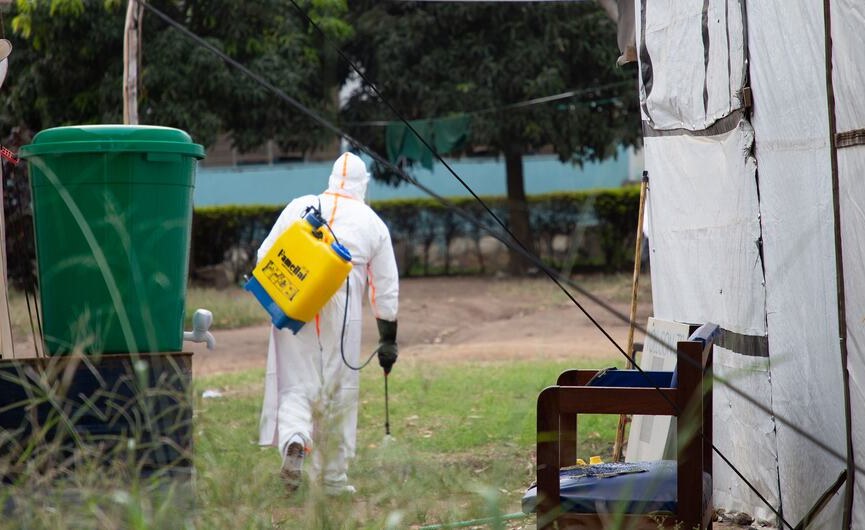
“The outbreak continues to intensify, with sustained transmission in the DRC’s hotspot zones and a growing number of community deaths.”
WHO and regional agencies note that this pattern makes it incredibly difficult to identify chains of transmission fast enough to halt the virus.
The Regional and Global Threat
The Africa CDC has stated that the situation is unfolding at an unprecedented pace, serving as a stark sign of the pressure on public health systems in the region. Although the DRC remains the epicentre, the outbreak has breached international borders.
Uganda has reported confirmed cases linked to transmission from the DRC. Furthermore, France notified the WHO of a laboratory-confirmed imported case involving a medical doctor who had recently returned from the Congo.
Health experts warn that even a limited number of cross-border cases can complicate containment if surveillance systems remain weak or if contacts are not promptly monitored.
Frontline Interventions
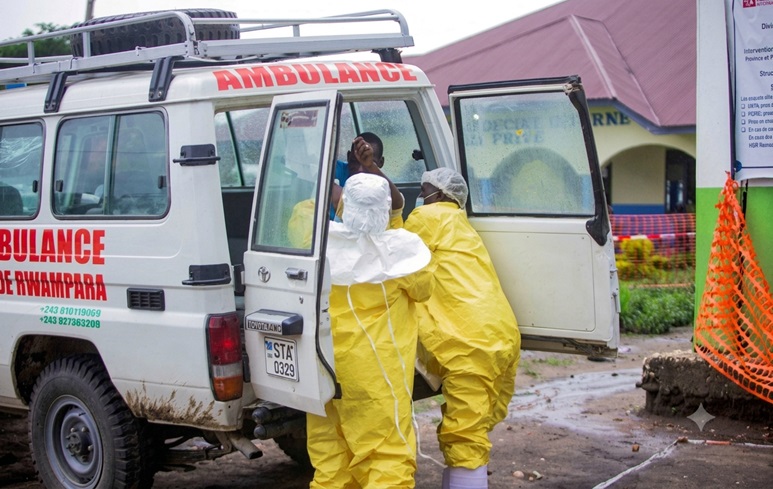
Without licensed therapeutics, health authorities must rely on classic outbreak control measures such as case isolation, contact tracing, and infection prevention. WHO has also supported the launch of clinical trials in the DRC to evaluate candidate therapies for the Bundibugyo virus disease.
Officials emphasise that people in affected areas must understand the importance of early reporting, safe burial practices, and avoiding unprotected contact with the sick or dead.
The Road Ahead for African Health Security
Speed remains the most urgent challenge. WHO assessments show the outbreak is expanding quickly enough to severely strain treatment centres, laboratory systems, and contact-tracing teams.
The second major challenge is trust. Public health officials maintain that community cooperation will be decisive, as even the best medical response will fail if people avoid reporting symptoms or resist contact tracing efforts. The difference between containment and regional escalation will depend entirely on how quickly authorities can detect cases and win community support.
Social Call-to-Action:
How confident are you in the continent’s cross-border surveillance systems to prevent the spread of the Bundibugyo virus? Share your thoughts with us on NTA’s official X (formerly Twitter) and Facebook pages using #NTAHealthSecurity.