
As part of efforts in reshaping the nation’s infrastructure landscape, the Federal Government of Nigeria rercently unveiled the country’s first-ever National Land Transport Policy. The comprehensive framework is designed to provide a coordinated, integrated, and sustainable roadmap for the development of Nigeria’s land transportation network, tackling long-standing challenges in connectivity, logistics, and road safety.
The policy, introduced in September 2026, marks a departure from fragmented approaches to infrastructure development, shifting instead toward a long-term strategic vision. According to government officials, the primary objective is to build an efficient, safe, and modern system that facilitates the seamless movement of goods and people across Africa’s most populous nation.
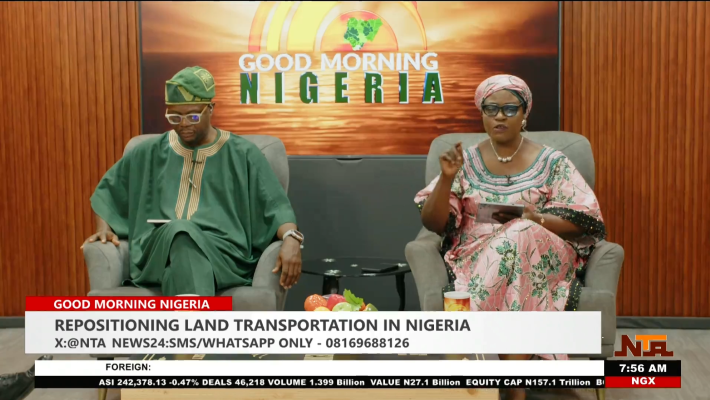
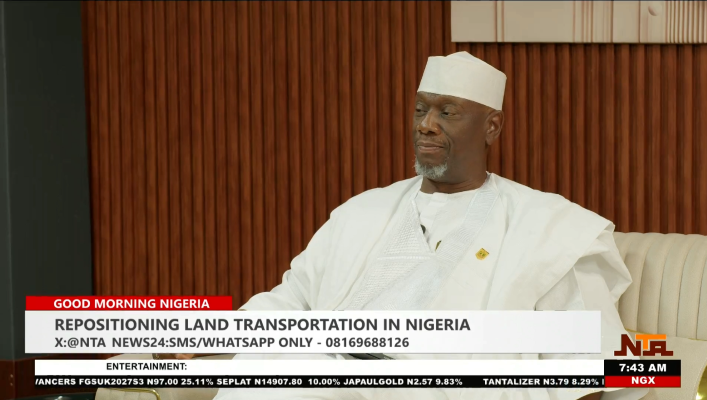
Stakeholders and experts on Nigeria Television Authority “Good Morning Nigeria” show expressed divergent views on the policy, providing a road map for a better implementation.
Former Federal Road Safety Corps Marshal and President of the Chartered Institute of Transport and Logistics, Dr. Boboye Oyeyemi, commended the Federal Government for approving the National Transport Policy, 34 years after its proposal, and called for its full implementation.
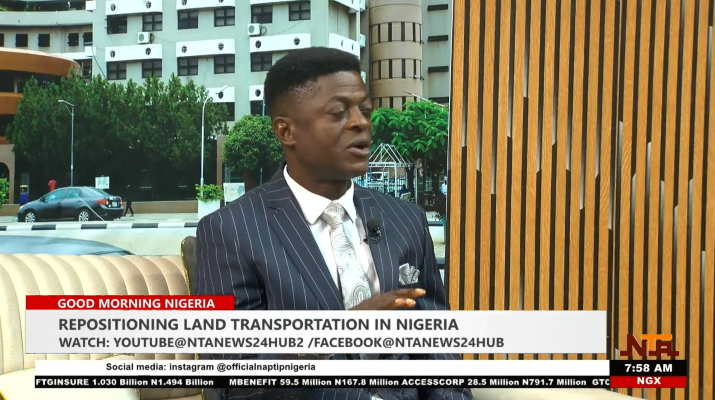
Oyeyemi urges states government to adopt similar policies to ensure effective coordination and development of the transport sector.
Director of Maritime Transport at the Nigerian Institute of Transport Technology, Zaria, Dr. Shehu Usman Gidado, called on local government authorities to take charge of transport terminals within their jurisdictions for effective management and operation.
Gidado said local councils should give adequate attention to the administration of parks and terminals. He urges transport unions to prioritize members’ welfare rather than taking over the statutory responsibilities of local governments.
Chief Executive Officer Ochenuel Mobility, Dr. Emmanuel John Oche, says properly organised parks, terminals and loading bays can significantly reduce overloading if they are empowered.
Oche identifies the informal nature of the transport sector chains as of its major challenges nationwide.
Senior Special Adviser to the National Union of Road Transport Workers, Suleiman Danzaki, wants government to invest more in road transportation sector as it contribute a lot to the economy.
Danzaki commends the approval of the National Transport Policy, but remarks that the three tiers of government have invested less than seven per cent in road transportation.