
The Lead
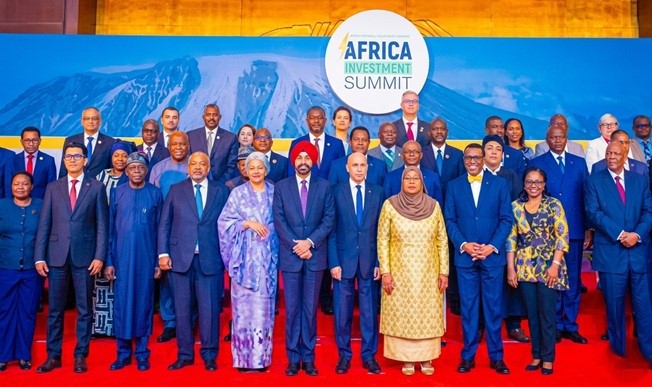
In the heart of Kigali, amidst the high-stakes convergence of the continent’s most influential power brokers, President Bola Ahmed Tinubu has anchored Nigeria’s narrative in a singular, defiant mandate: Africa must achieve industrial scale or risk becoming a mere footnote in the emerging global geoeconomic order.
The Kigali Convocation: A Continental Crossroads
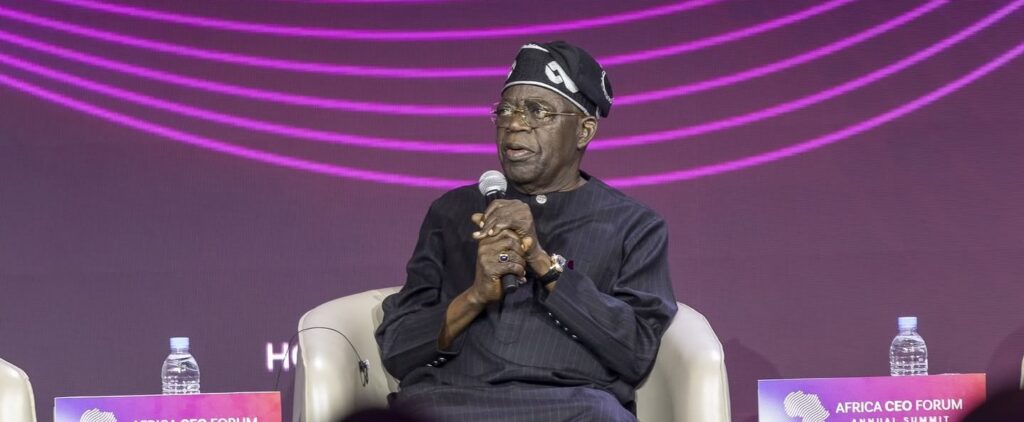
The 13th edition of the Africa CEO Forum officially commenced this week in the Rwandan capital, marking its third return to the city known for its efficiency and business diplomacy. This year’s gathering is not merely a conference; it is being framed as an existential crossroads for African private enterprise and political leadership.
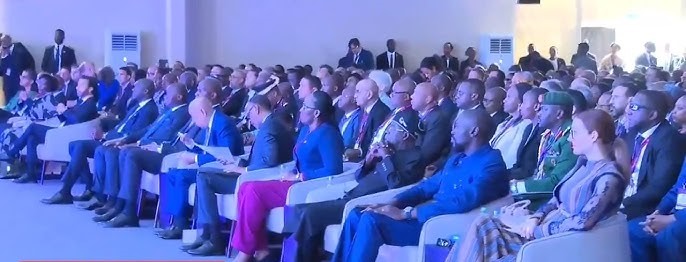
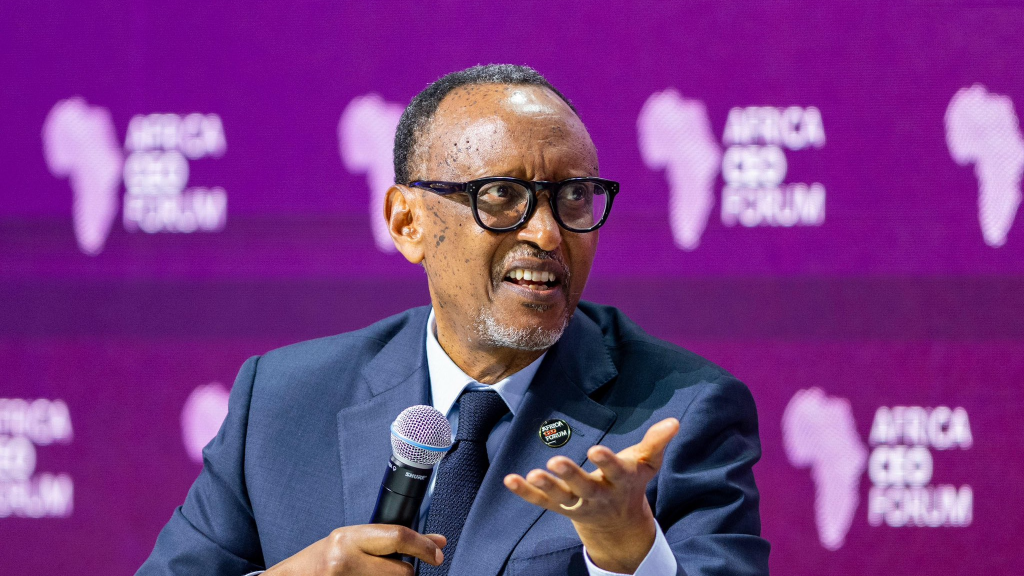
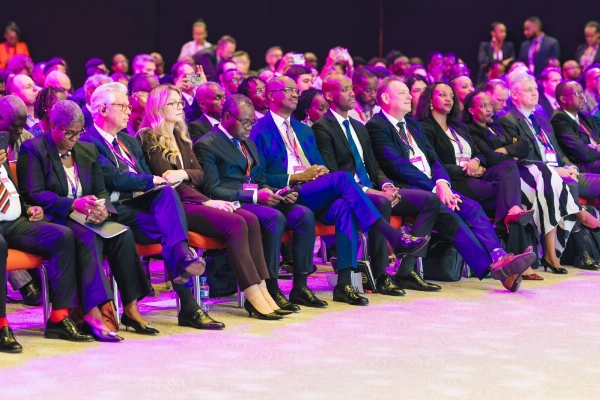
The theme, “Scale or Fail: Why Africa Must Embrace Shared Ownership,” reflects a growing anxiety over fragmented national markets and the retreat of global aid flows. With over 2,500 participants from 75 countries, the forum represents the largest international gathering of the African private sector to date.
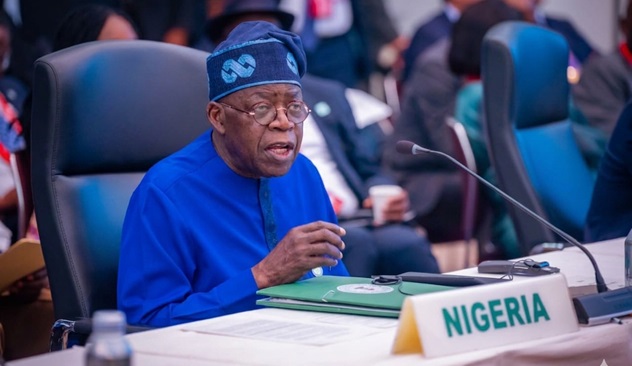
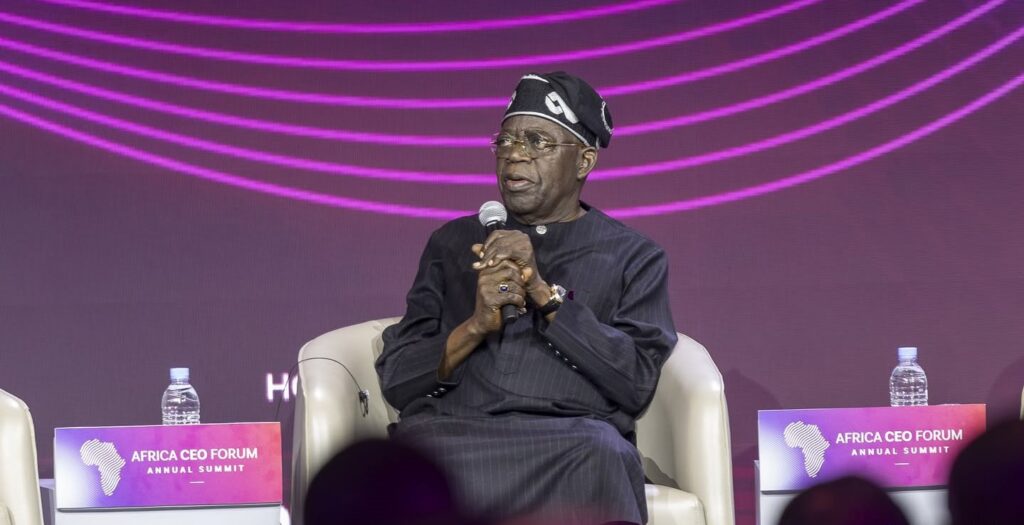
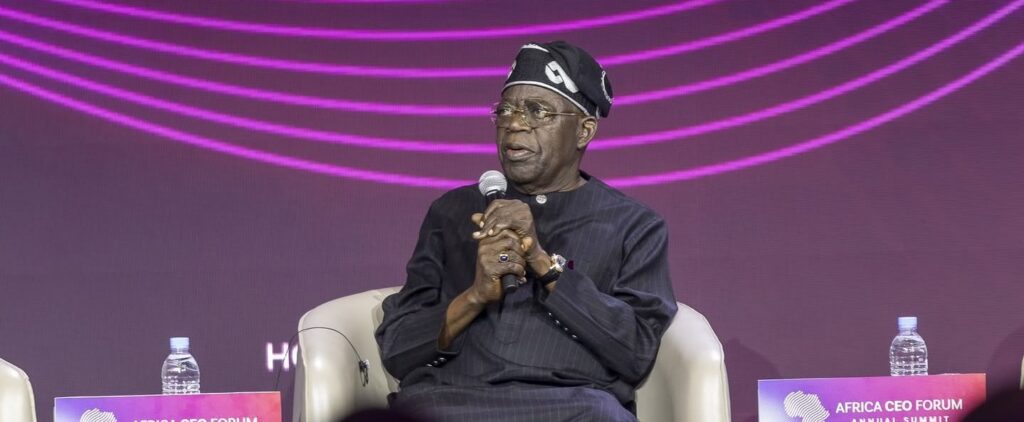
The presence of President Bola Ahmed Tinubu, GCFR, is particularly significant, as he leads Africa’s most populous nation and largest economy into discussions on regional integration and trade. His arrival at the Kigali International Airport, received by high-ranking Nigerian and Rwandan officials, signaled the beginning of a robust diplomatic and economic offensive.
Nigeria’s Reform Bet: The $20 Billion FDI Projection
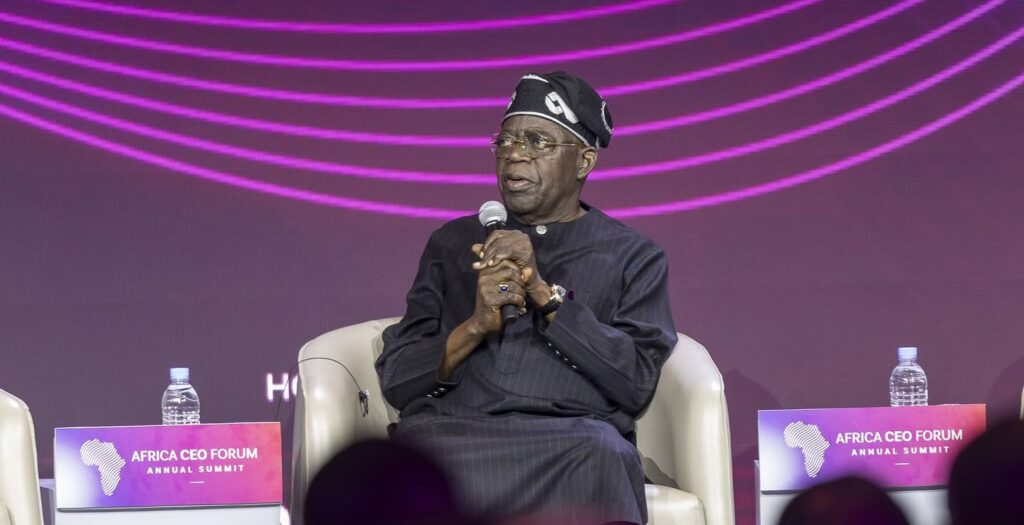
During a pivotal panel session titled “Holding the Line: Nigeria’s Reform Bet in a Fractured World,” President Tinubu delivered a powerful investor proposition. He asserted that Nigeria is on a definitive course to attract nearly $20 billion in Foreign Direct Investment (FDI) within the 2026 calendar year alone.
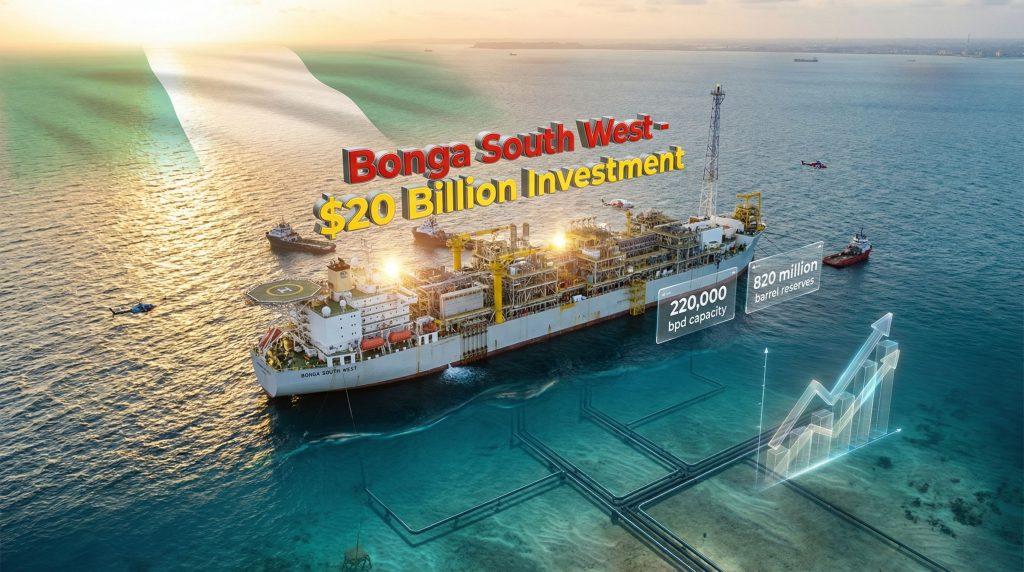
This projection is not based on mere optimism but on the systematic removal of regulatory bottlenecks and the removal of the fuel subsidy, which the International Finance Corporation (IFC) described as “taking the bull by the horns”. The President emphasized that “capital is cowardly” and requires the transparency and accountability his administration has painstakingly institutionalised over the last three years.
| Macroeconomic Projections & Key Indicators (2026) | Nigerian Target/Status | Continental Context |
| Projected Foreign Direct Investment (FDI) | $20 Billion | Africa total historically peaks at ~$98bn |
| Real GDP Growth Projection | 4.0% – 4.3% | Global average projected at 2.7% |
| Maritime Infrastructure Commitment | $600 Million | Part of wider $1bn dealmaking goal |
| Digital Economy Infrastructure Target | $2 Billion | Essential for 2.5% GDP growth lift |
The President’s address resonated with global executives, many of whom have noted the “Lagos model” of tax reform now being replicated at the national level. By making tax payments as simple as a few taps on a smartphone, the administration is fostering a culture of citizenship and fiscal responsibility that underpins sustainable growth.
Digital Sovereignty: The Fibre-Optic Revolution
A cornerstone of the Nigerian business case in Kigali is the aggressive expansion of digital infrastructure through “Project BRIDGE” (Building Resilient Digital Infrastructure for Growth). President Tinubu disclosed that Nigeria has already successfully deployed over 90,000 kilometres of fibre optic infrastructure.

The ultimate objective is to reach a 125,000-kilometre backbone, connecting all 774 local government areas to high-speed internet. This $2 billion initiative, backed by the World Bank and the African Development Bank (AfDB), is designed to ensure that digital access is no longer determined by geography.
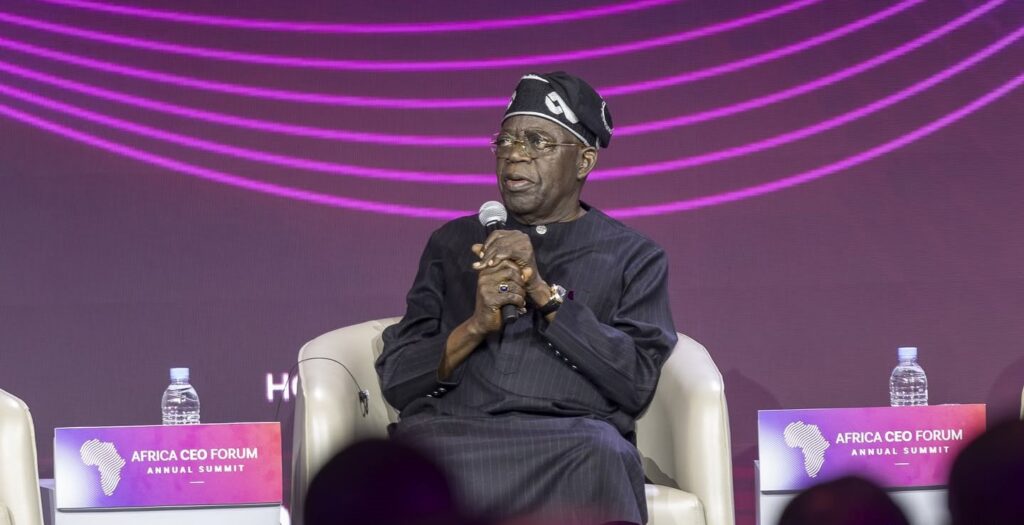
“Nigeria is laying 90,000 km of fibre optic across the country. That’s how we bring lessons to children, connect families, and enable traders. We need to fund Africa’s shift from basic telecoms to AI and e-commerce.” — President Bola Ahmed Tinubu, GCFR
Context Box: Project BRIDGE Fast Facts
- Origin: An initiative by the Federal Ministry of Communications, Innovation, and Digital Economy to eliminate the digital divide.
- Funding Mechanism: A $2 billion public-private partnership (PPP) with $800 million already secured from the World Bank and AfDB.
- Structural Innovation: The creation of a Nigerian Special Purpose Vehicle (SPV) where private investors hold at least 51% equity to ensure transparency and efficiency.
- Timeline: Financial close is expected by Q3 2026, with full-scale rollout accelerating throughout the year.
The Maritime Engine: Modernising Global Trade
The maritime sector remains a vital artery for Nigeria’s economic transformation, and this was underscored by a fresh $600 million investment commitment from APM Terminals. This investment, pledged during a meeting with President Tinubu in Kigali, is aimed at the total modernisation of the Apapa port and the expansion of logistics infrastructure.
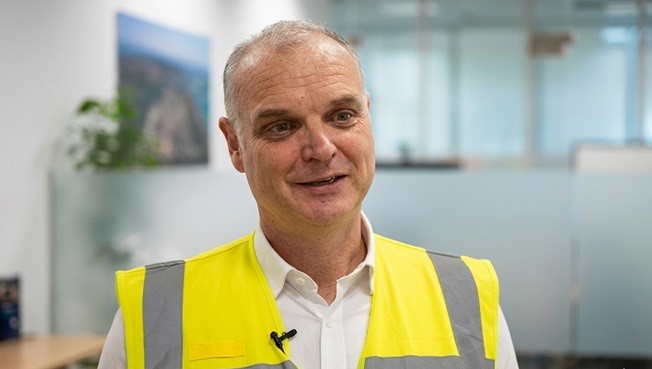
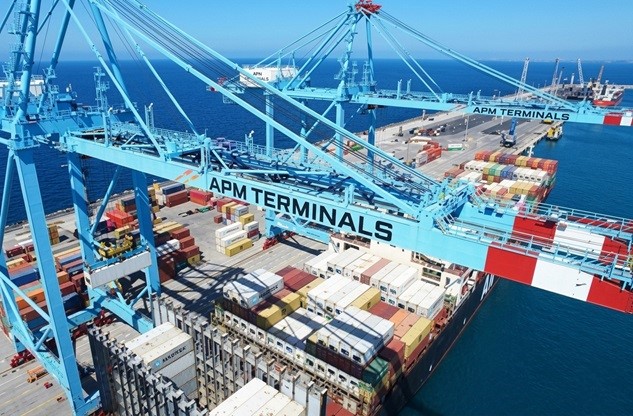
Igor van den Essen, Regional President of APM Terminals, cited the administration’s policy direction as the primary driver of renewed investor confidence. This commitment aligns with Nigeria’s goal to become a global maritime hub, capable of supporting the increased trade volumes anticipated under the African Continental Free Trade Area (AfCFTA).
| Key Port Infrastructure Projects | Investment Value | Expected Outcome |
| Apapa Port Modernisation | $600 Million | Enhanced long-term private sector participation |
| Lagos-Calabar Coastal Highway | N7 Trillion (Approved) | Regional connectivity for maritime logistics |
| Project BRIDGE Fibre Link | Part of $2bn project | Digitisation of customs and port operations |
The President’s emphasis on “African-controlled capital pools” also extends to the maritime industry, where he advocated for the development of integrated cross-border corridors. By moving from isolated “megaprojects” to regional networks, Nigeria is positioning itself to lead the West African trade ecosystem.
Industrial Independence: The End of Raw Material Exports
In Kigali, President Tinubu sent a clear signal to global powers: the era of “scavengers and extractors” in Africa is over. His administration is enforcing a strict policy of local value addition, stating that no mineral resources—including rare earth metals—will leave Nigeria without being processed locally.
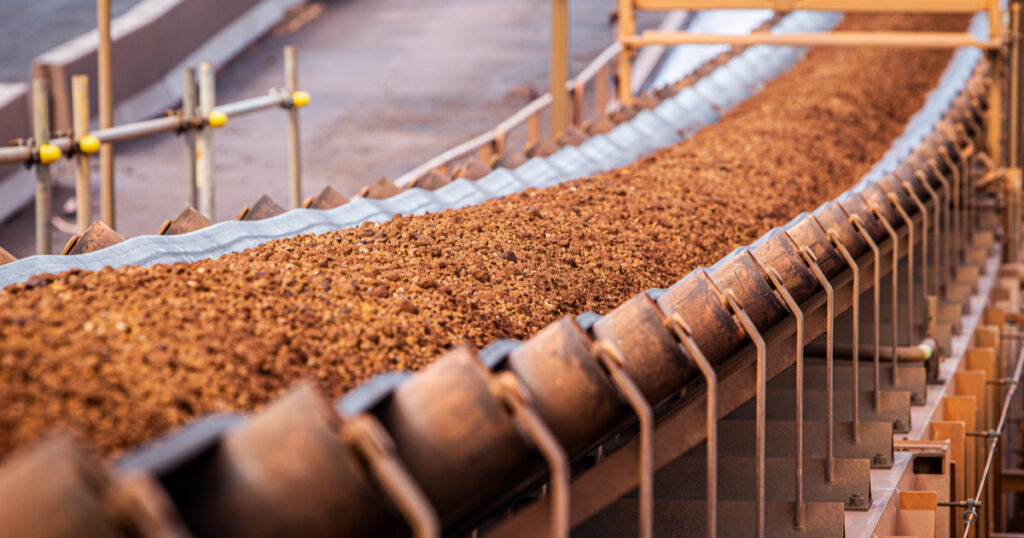
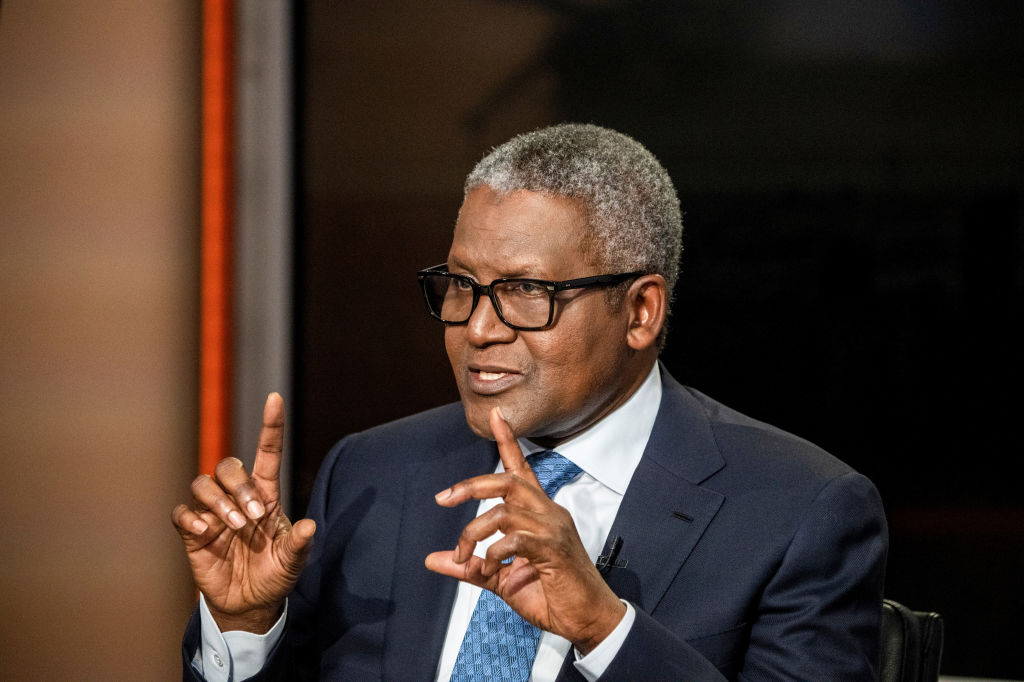
This shift toward industrial sovereignty is best exemplified by the Dangote Petroleum Refinery, a 650,000 barrels-per-day facility that has transformed Nigeria from an importer to a net exporter of refined products. The President noted that “Nigeria could not survive with over 200 million people in peace without a refinery,” and that his administration would continue to support “risk-takers” like Aliko Dangote.
“Africa needs to put its money where its mouth is and build a new relationship with its own resources. We don’t want scavengers. We want partners who process and manufacture locally.” — President Bola Ahmed Tinubu, GCFR
Pan-Africanism and the Currency Question
One of the most radical proposals presented by President Tinubu in Kigali was the call for African nations to trade in local currencies. He questioned the continent’s over-reliance on the US dollar for intra-African transactions, noting that it adds unnecessary costs and volatility to regional trade.
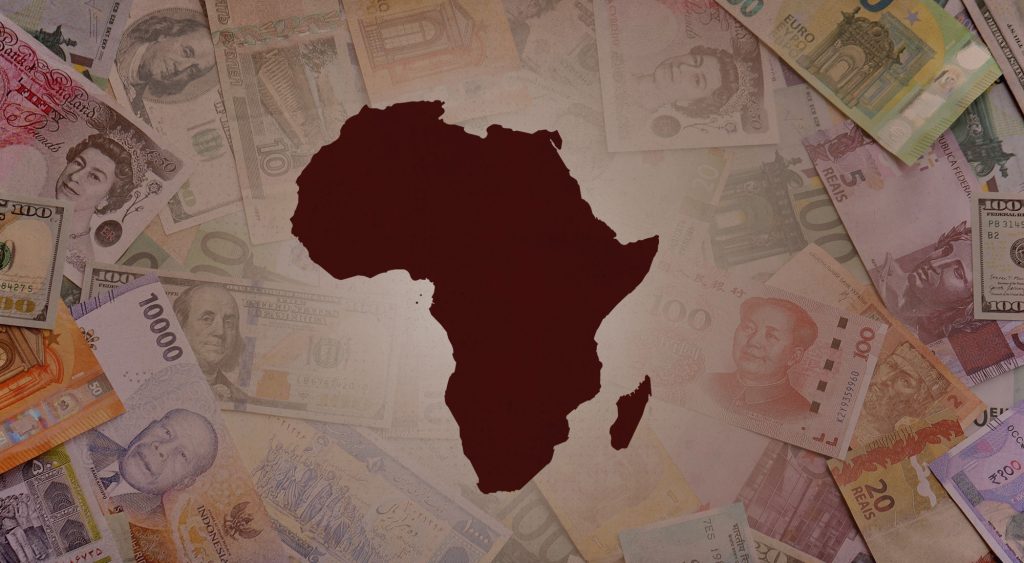
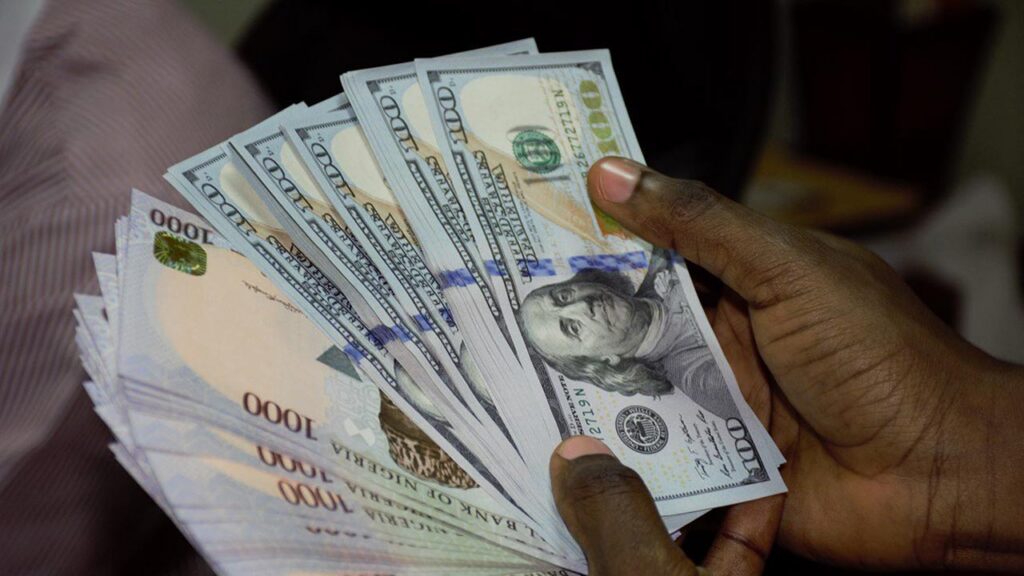
“If you produce in Nigeria, you can trade in Naira. Why should African trade depend on dollars?” the President asked, urging for the full activation of the AfCFTA through collaboration rather than working in silos. This “Africa First” approach is designed to keep the value generated by African resources within the continent’s borders.
The President also advocated for the establishment of an African credit rating agency. He argued that existing global agencies do not adequately understand African market dynamics, often resulting in higher interest rates for African governments—a sentiment echoed by President Paul Kagame’s diagnosis of Africa being “rich in everything except leverage”.
Agricultural Transformation and Rural Logistics
The Nigerian narrative in Kigali also highlighted the administration’s strides in food security. President Tinubu pointed to the creation of 6,000 mechanised agricultural zones across Nigeria as evidence of a shift toward “sexy” and profitable farming.
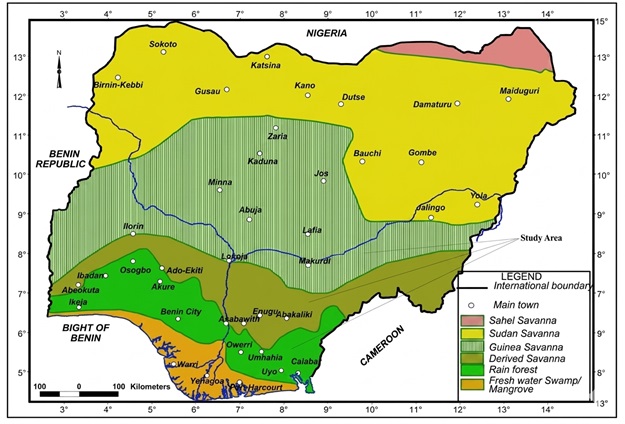

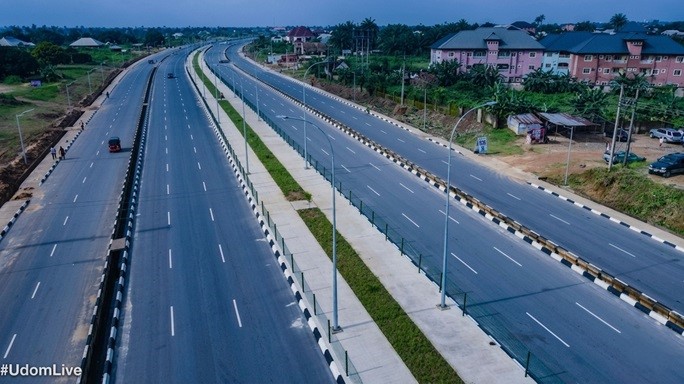
Integral to this agricultural push is the 1,000-kilometre Sokoto-Badagry concrete highway, which links major agricultural zones to the West African trade corridor. By integrating road infrastructure with agricultural logistics, the government is ensuring that farmers have direct access to markets, thereby reducing post-harvest losses and stabilising prices.
| Infrastructure for Agricultural Growth | Status in 2026 | National/Regional Impact |
| Sokoto-Badagry Road | 1,000 km Concrete Highway | Linking West African corridor trade |
| Mechanised Agricultural Zones | 6,000 Zones Nationwide | Enhancing high-yield production |
| National Storage Silos | Systematic Rollout | Price stabilisation for farmers |
| 3MTT Programme | ~117,000 Trained | Digital skills for agricultural tech |
The Human Capital Imperative: Empowering the Youth
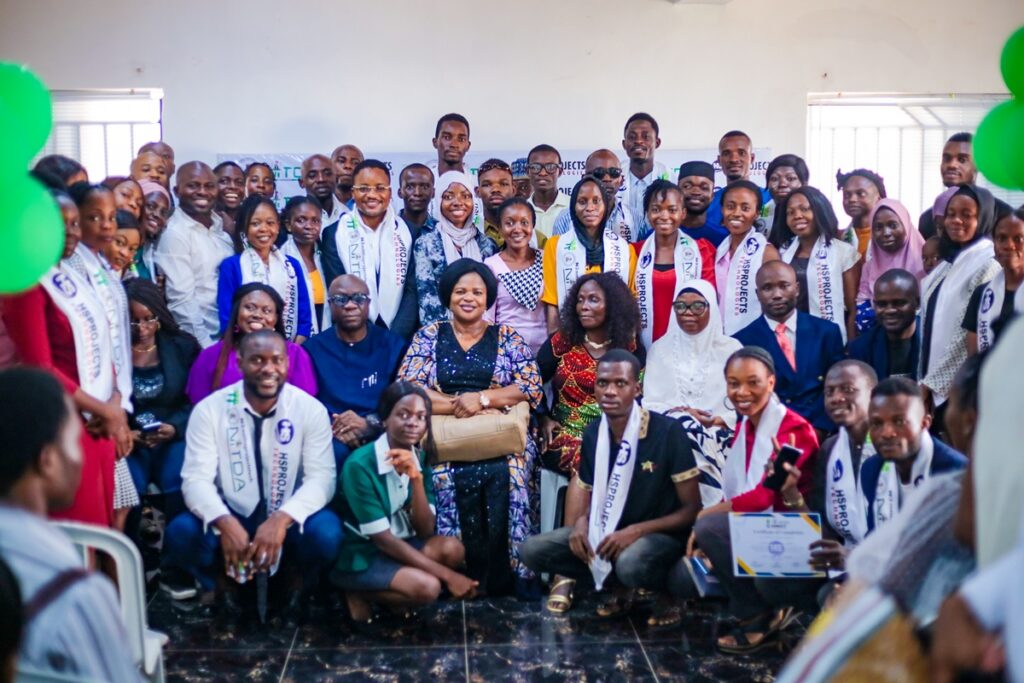
The President’s message in Kigali was not limited to hard infrastructure; it focused heavily on the “demographic energy” of the Nigerian youth. He highlighted the 3 Million Technical Talent (3MTT) programme, which has already trained over 117,000 Nigerians in advanced digital skills.
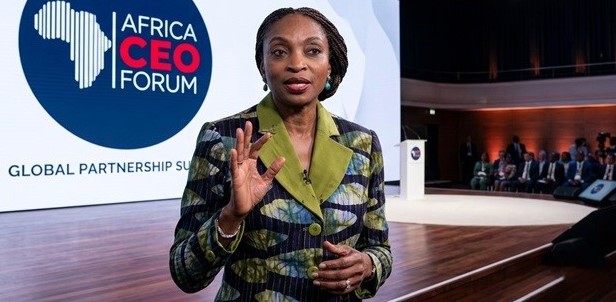
Dr. Jumoke Oduwole, Nigeria’s Minister of Industry, Trade, and Investment, emphasized during the forum that Nigeria’s youthful population is the continent’s most sustainable “human capital” investment. This workforce is being prepared to power the transition from basic telecommunications to artificial intelligence, e-commerce, and high-end manufacturing.
Bilateral Synergy: The Nigeria-Rwanda Partnership
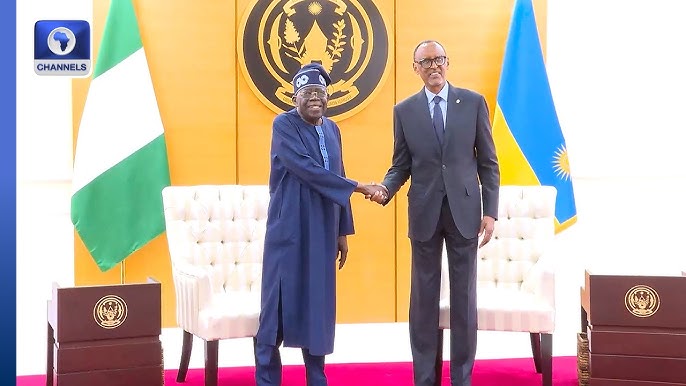
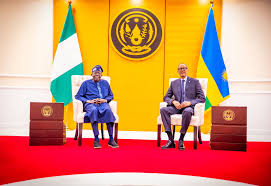
The forum also provided a platform for deepening bilateral ties between Nigeria and Rwanda. Following a high-level meeting at the Urugwiro Presidential Village, President Tinubu and President Kagame announced plans for a possible flat-rate cargo arrangement with RwandAir.
This arrangement would allow Nigerian traders and manufacturers to move goods across the continent with greater reliability and lower friction, directly supporting the “shared ownership” model of the summit. Both leaders reaffirmed that Pan-Africanism cannot remain a mere slogan; it must be “lived” through practical, deal-driven cooperation.
The Africa CEO Forum Delegation: A Power Bloc
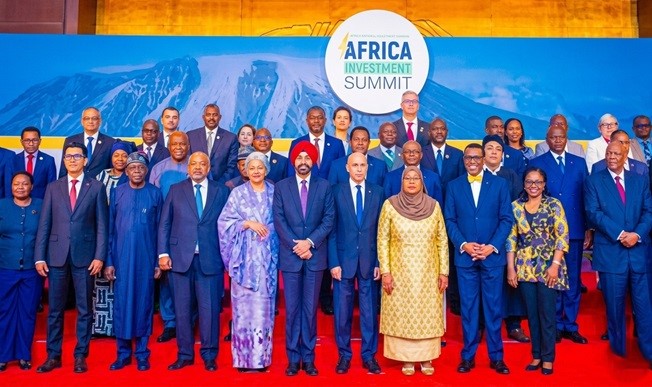
Nigeria’s presence in Kigali was bolstered by a diverse delegation of public and private sector leaders, demonstrating the administration’s commitment to public-private dialogue.
Key Public Sector Delegates:
- H.E. Bola Ahmed Tinubu, GCFR – The President.
- Ambassador Bianca Odumegwu-Ojukwu – Minister of Foreign Affairs.
- Dr. Jumoke Oduwole, MFR – Minister of Industry, Trade, and Investment.
- Professor Muhammad Ali Pate – Coordinating Minister of Health and Social Welfare.
- Dr. Jumoke Oduwole – Minister of Industry, Trade, and Investment.
Key Private Sector Delegates:
- Aliko Dangote – CEO, Dangote Industries Limited.
- Abdul Samad Rabiu – Founder & Chairman, BUA Group.
- Tony Elumelu – Chairman, Heirs Holdings.
- Wale Tinubu – Group CEO, Oando PLC.
- Aigboje Aig-Imoukhuede – Chairman, Access Holdings.
Insight: The Strategic Shift Toward “Shared Ownership”
The 2026 edition of the forum marks a departure from traditional “economic patriotism,” where nations competed in silos. The new model of “shared ownership” requires African capital to invest together across borders, building “continental champions” capable of withstanding global economic shocks.
For Nigeria, this means not only attracting FDI but also deploying Nigerian capital—such as the $40 billion currently held in pension funds—into domestic and regional infrastructure projects. By using the Naira for regional trade and building “digital rails” for health and education, Nigeria is helping to define the next global economic order.
Looking Forward: A Decade of Delivery
As the Africa CEO Forum 2026 concludes, the commitments made in Kigali point toward a decade of accelerated delivery for Nigeria and the continent. With $20 billion in projected FDI and massive infrastructure projects like Project BRIDGE moving toward completion, Nigeria is cementing its status as the prime destination for growth.
The administration’s reforms, though difficult, have positioned the nation at an “inflexion point”. The success of these initiatives will be measured not just by GDP figures, but by the creation of high-quality jobs and the ability of ordinary Nigerians to thrive in a connected, industrialised economy.
The Social Call-to-Action
How can Nigerian businesses best position themselves to take advantage of the $20 billion FDI inflow projected for 2026? Do you believe the move to trade in local currencies like the Naira will strengthen our economy? Share your insights with the NTA community on our social media platforms using