

In a decisive move that is reshaping the West African economic landscape, the Republic of Benin is deliberately bypassing the conventional allure of mass beach tourism. The nation is choosing instead to anchor its national development strategy within the sacred and sobering terrain of historical remembrance, cultural preservation, and global African diaspora connection.
Reclaiming the Narrative at Ouidah
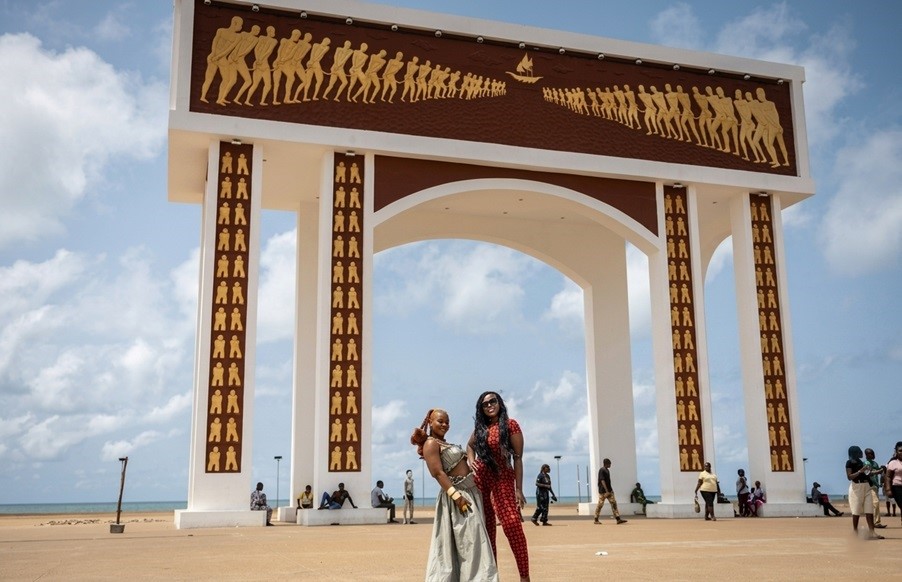
At the absolute centre of this institutional campaign lies Ouidah’s iconic “Door of No Return,” the solemn monument marking the final point of departure for more than one million enslaved Africans. Rather than treating this painful history as a scar to be hidden, Beninese authorities are elevating it into a powerful locus for cultural and remembrance tourism.
The state’s narrative is clear: Benin possesses a profound, epic history that has remained underknown globally for too long. The country is now ready to showcase it to the world on its own terms.
Fast Facts: Benin Tourism Vision 2030
- Current GDP Contribution: Approximately 6%
- Projected GDP Target (2030): 13.4%
- Annual Visitor Target: 2 million tourists per year
- Total Public Investment: CFA 1,250 billion allocated over a decade-long timeline
Heavy Infrastructure and the Cultural Calendar
This vision is aggressively backed by fiscal commitment. Since 2016, the government has injected roughly CFA 1,250 billion into tourism, culture, and arts infrastructure projects.
The architectural cornerstone of this initiative includes the Museum of the Memory of Slavery in Ouidah, alongside major museum projects in Porto-Novo and Abomey, seaside tourism developments, and eco-tourism structures around the stilt village of Ganvié.

“Benin possesses an incredibly rich history and a unique cultural identity. Our massive public investment is designed to build a year-round cultural economy that honours our ancestors while securing our economic future.” — Jean-Michel Abimbola, Minister of Tourism, Culture, and Arts
The state anticipates that these legacy projects will fully enter active operations from 2027 to 2028 onward. To ensure a year-round cultural economy, Benin is pairing these physical monuments with vibrant national events, including the globally renowned Vodun Days, Fashion Month, and the Mask Festival.
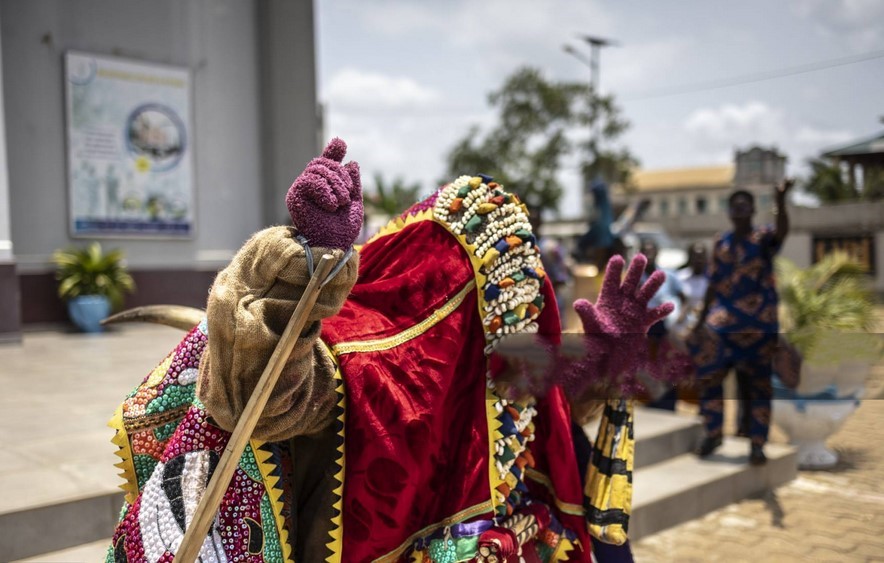
The Cost of Commemoration: Tensions and Local Displacements
However, transforming historic trauma into an economic asset introduces critical ethical and social questions. Intellectuals and heritage scholars warn that commodifying a painful past risks reducing deep historical wounds into mere commercial spectacle. In Benin, this tension is intensely localized; descendants of both historical enslavers and the enslaved live side-by-side within the very same communities, where competing historical narratives frequently clash.
Furthermore, the domestic drive for a coastal tourism boom has exacted a visible social toll. Redevelopment along the southern coastline has led to demolitions and forced relocations of residents in certain areas, particularly along the shoreline near Ouidah. These realities shift the tourism strategy from a standard cultural policy into a complex issue of land-use, human rights, and social justice.
Reclaiming the African Narrative
Ultimately, Benin’s approach reflects a broader, sophisticated continental trend where African nations are reframing heritage, memory, and identity as powerful diplomatic and economic assets. By centering its identity on slavery, Vodun, and its precolonial kingdoms, Benin is successfully wresting its historical narrative away from external Eurocentric representations.
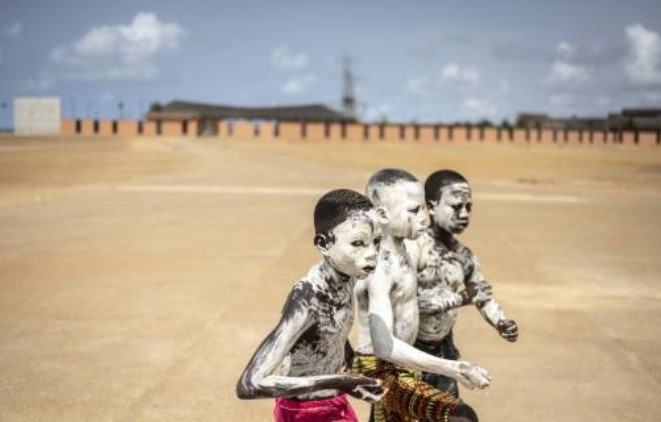
The final test of this ambitious state model relies on the state’s capacity to balance raw economic scale with authentic historical preservation that directly benefits the local population.
The Social Call-To-Action
What are your thoughts?
Can a nation successfully turn historical trauma into an economic asset without compromising the dignity of its ancestors and local residents? Share your perspectives in the comment section on NTANetwork social media platforms.