
Millions of discarded electronic devices and second-hand garments are entering Ghana, adding to mounting waste in Accra and exposing informal workers and nearby communities to potentially harmful substances. Environmental campaigners are calling for stronger controls on waste imports and greater accountability from global manufacturers.
Ghana is facing growing environmental and public health concerns as discarded electronic equipment and second-hand clothing from overseas add to the country’s mounting waste problem.
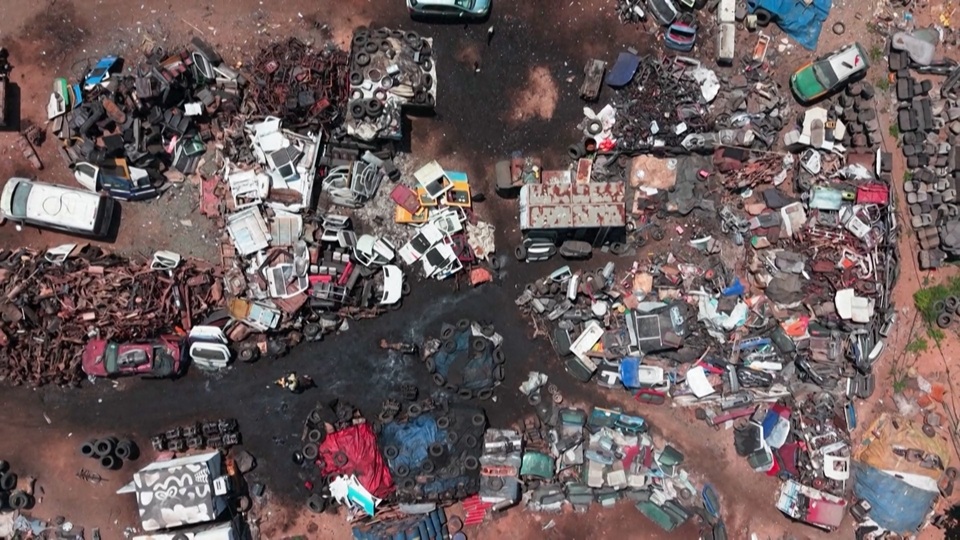
At Agbogbloshie, a sprawling scrapyard in Accra, workers dismantle old refrigerators, televisions and other appliances to recover valuable metals, often without protective equipment. Burning cables, batteries and other electronic components releases toxic substances into the air, exposing workers and surrounding communities to potential health risks.
For many informal workers, however, recovering scrap metal remains an important source of income despite the hazardous conditions.
The problem extends beyond electronic waste. Ghana has become a major destination for second-hand clothing from Europe, North America and Asia, with millions of garments arriving every week. While some are resold or reused, a significant proportion is considered unsellable and ends up dumped on beaches, in open spaces or burned.
Greenpeace estimates that about 15 million used garments enter Ghana weekly, with roughly half becoming waste after traders remove items they can sell.
A Greenpeace study found that 89 per cent of sampled discarded garments contained synthetic fibres such as polyester. These materials can shed microplastics as they break down, while burning them can release hazardous chemicals into the atmosphere.
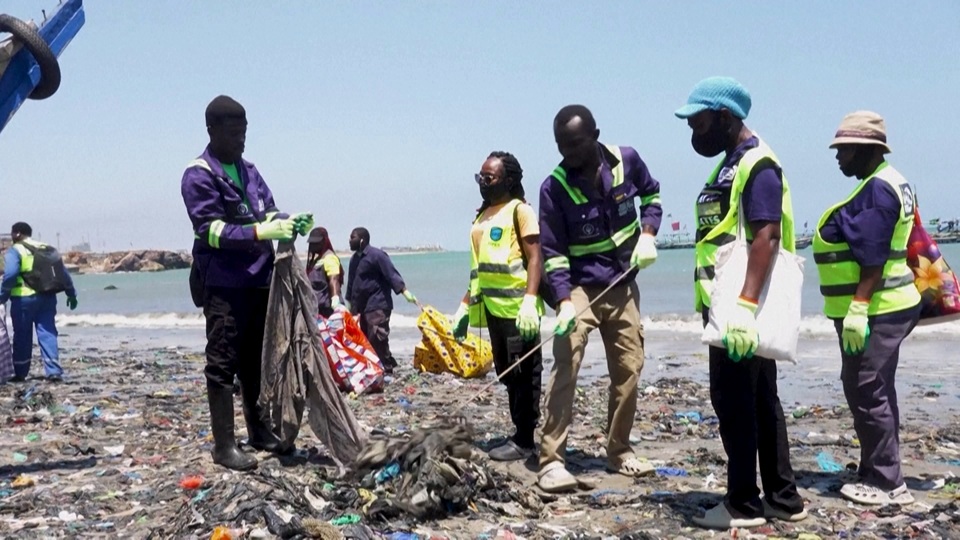
“This is not just an environmental crisis; it’s also a human health crisis,” said Hellen Kahaso Dena, Greenpeace’s plastics project expert.
The effects are also being felt around the Korle Lagoon, beside Agbogbloshie, where waste runoff threatens waterways and surrounding ecosystems. Environmental health experts warn that exposure to contaminated dust, smoke and toxic metals could contribute to respiratory, skin and neurological problems. However, researchers say more evidence is needed to establish direct links between specific illnesses and pollution at the site.
Greenpeace has called on Ghanaian authorities to strengthen controls on the importation of unusable second-hand clothing and ensure fashion companies take responsibility for the waste generated by their products.
In October, the organisation presented findings from an audit of 201 discarded garments collected from James Town Beach, Kantamanto Market and Agbogbloshie. Labels from international brands including H&M, Primark, Marks & Spencer and Next were identified among the sampled garments. Greenpeace stressed that identifying a brand label does not establish who exported or discarded an individual item.
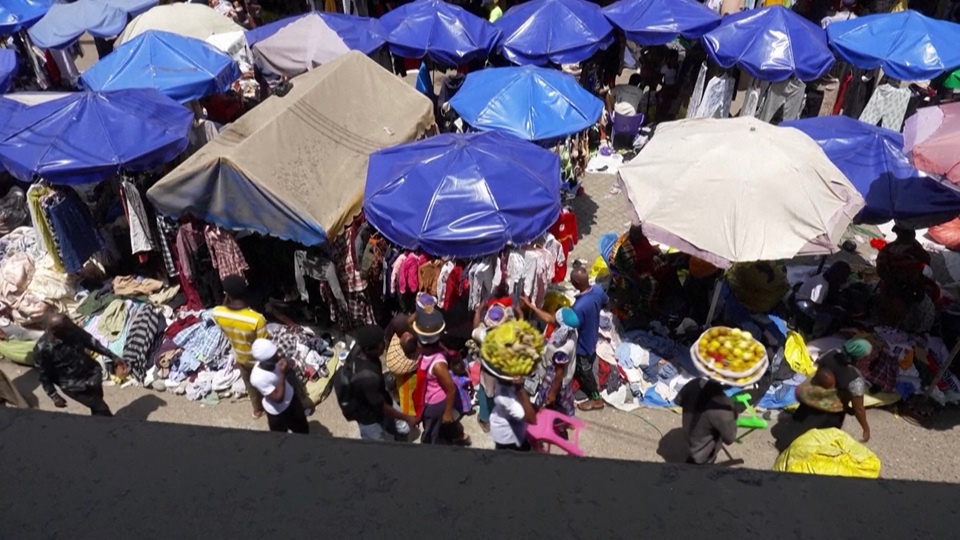
The organisation is not calling for a complete ban on second-hand clothing imports, which support the livelihoods of traders and other workers. Instead, it wants stronger quality standards to prevent garments with little or no resale value from entering the country.
Ghana has also begun responding to the wider waste crisis. In September, President John Mahama launched a three-month clean-up operation targeting approximately one million tonnes of accumulated refuse at Agbogbloshie. The government has also proposed integrating informal waste pickers and recyclers into a more organised waste management system, with the potential to create up to 20,000 permanent jobs.
The challenge now is to balance livelihoods, trade and environmental protection while ensuring that Ghana does not continue to shoulder the disposal costs of waste generated elsewhere. For campaigners, tackling the crisis will require action not only from the Ghanaian government but also from exporting countries and manufacturers responsible for the products entering the global waste stream.