

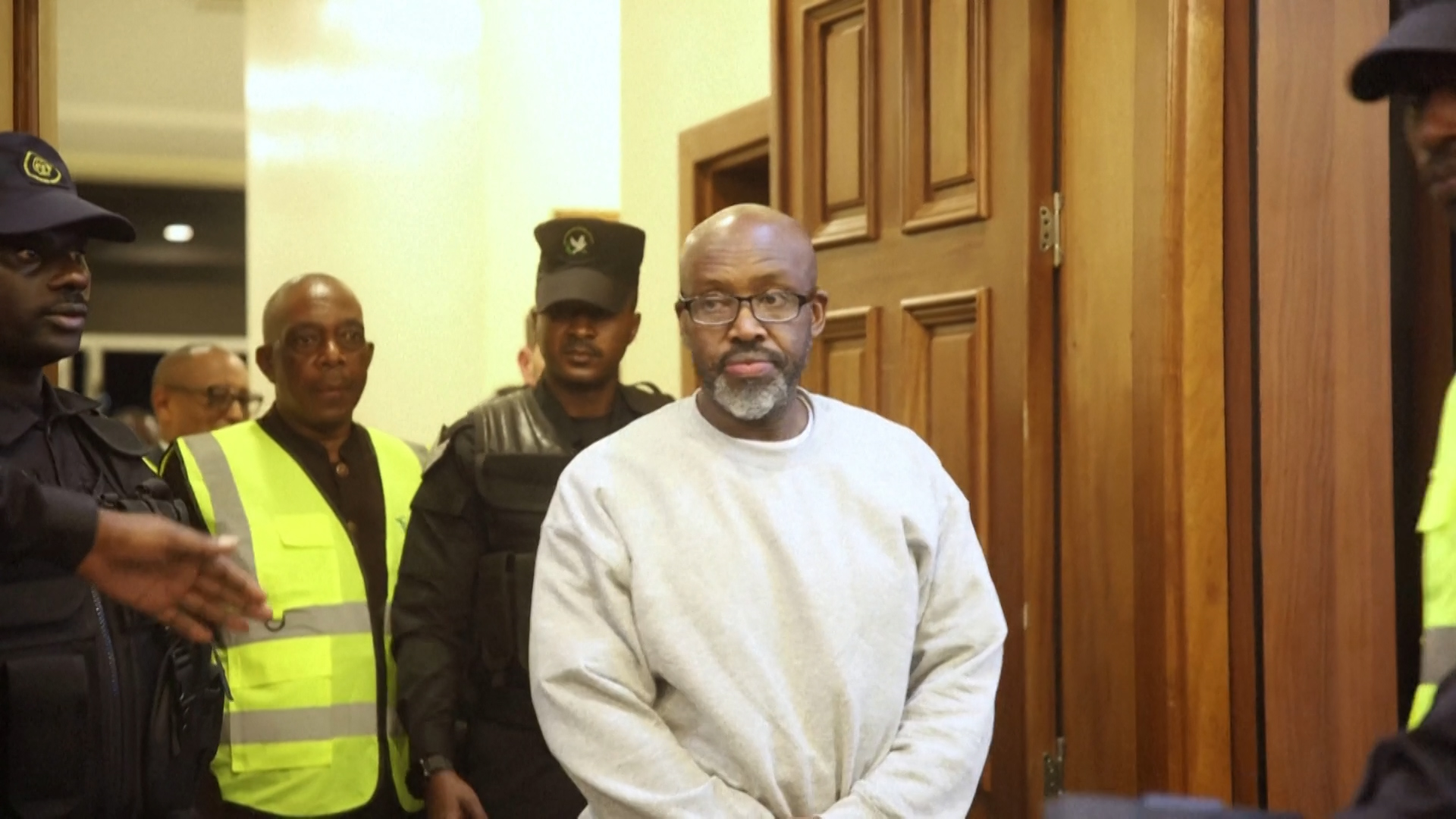
Jean Léonard Teganya was handed over to Rwandan authorities more than three decades after the 1994 genocide. He faces allegations of genocide and crimes against humanity, having previously served a prison sentence in the United States for immigration fraud and perjury.
A Rwandan man accused of participating in the 1994 Genocide against the Tutsi has returned to Kigali following his deportation from the United States, where he was convicted of lying about his alleged involvement in the atrocities.
Jean Léonard Teganya arrived at Kigali International Airport on Monday, November 9, and was handed over to Rwandan authorities, who subsequently arrested him.
Rwanda’s National Public Prosecution Authority (NPPA) said Teganya was indicted in 2014 over his alleged involvement in genocide and crimes against humanity committed in Butare, now part of Huye District in southern Rwanda. He is expected to face judicial proceedings in the country.
At the time of the genocide in 1994, Teganya was a medical student at the former National University of Rwanda and an intern at the University Hospital of Butare. He was accused of working with members of the Interahamwe militia to identify and target Tutsi patients and refugees who had sought shelter at the hospital.
Evidence presented by US prosecutors during his trial also linked him to killings at the hospital and a student dormitory, as well as sexual violence against two Tutsi women. These allegations formed part of the evidence in his American case, although he was not tried or convicted of genocide in the United States.
Now 55, Teganya fled Rwanda in July 1994 as the genocide ended. He travelled through the Democratic Republic of Congo, Kenya and India before arriving in Canada in 1999, where he applied for asylum. Canadian authorities rejected his claim following allegations of his involvement in atrocities at the Butare hospital.
After years of asylum proceedings, he crossed into the United States from Canada in August 2014 and applied for asylum. US authorities later accused him of concealing his alleged political affiliations and activities during the genocide.
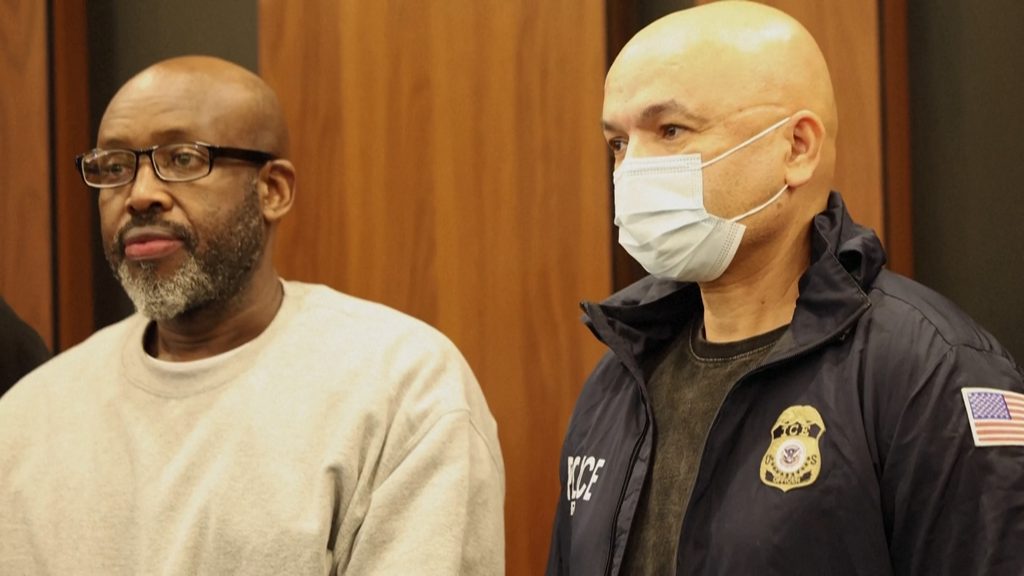
In April 2019, a federal jury convicted him on two counts of immigration fraud and three counts of perjury. He was sentenced in July that year to 97 months in prison, equivalent to eight years and one month.
The 1994 genocide lasted approximately 100 days, beginning in April, and left about 800,000 people, predominantly Tutsis, dead. Rwanda has since pursued suspected perpetrators who fled the country, working with international partners to bring them before the courts.
The NPPA described Teganya as the eighth genocide fugitive to be deported from the United States to Rwanda since 2007. It also acknowledged the cooperation of US judicial authorities in the transfer and broader efforts to ensure accountability for genocide crimes.
His return marks a new phase in a case that has crossed several countries and legal systems over more than three decades. While his US conviction concerned immigration fraud and perjury, the genocide allegations will now be addressed through Rwanda’s judicial process.