
Compiled BY: Malami Haruna Dogon daji
Abuja, Nigeria — Nigerian and Nigerian-American women are aggressively rewriting the global technology narrative, commanding pivotal roles from continental infrastructure deployment to international artificial intelligence governance.
Shaping Global AI Policy and Digital Rights
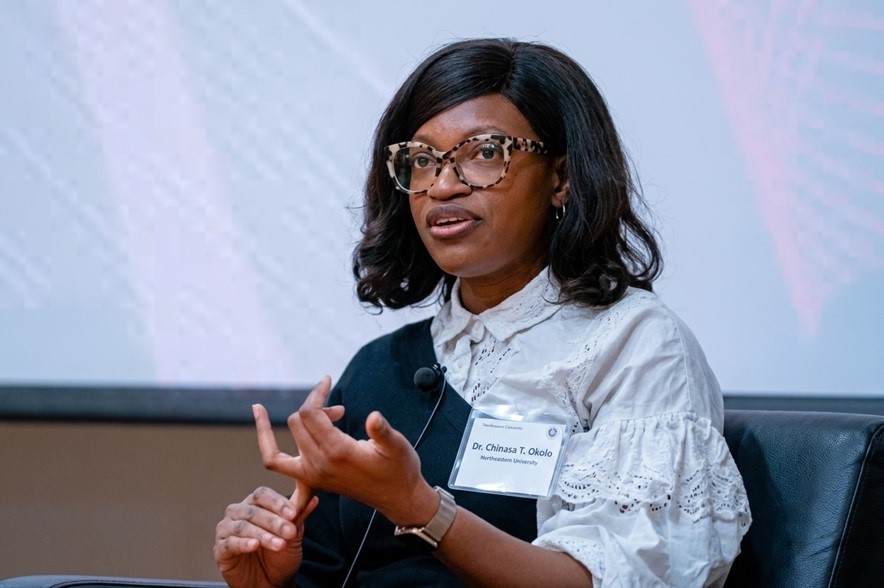
a prominent Nigerian-American computer scientist
and Brookings Institution fellow
Dr Chinasa T. Okolo, a prominent Nigerian-American computer scientist and Brookings Institution fellow, has emerged as a critical voice in global AI governance. Named to TIME’s 100 Most Influential People in AI and the Forbes 30 Under 30 list, her research directly addresses algorithmic bias and digital exclusion. Her work remains vital in protecting communities across the Global South from exploitative technology systems.
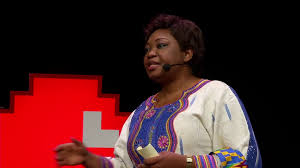
Free Software and Open Source Foundation for Africa
In the sphere of digital liberties, Nnenna Nwakanma has spent decades anchoring Africa’s open-source movement. As the co-founder of the Free Software and Open Source Foundation for Africa, her leadership across the United Nations system and the Web Foundation has systematically expanded open data access. Her tireless advocacy continues to secure foundational digital rights for millions of internet users across the continent.
Building the Backbone of Africa’s Digital Economy
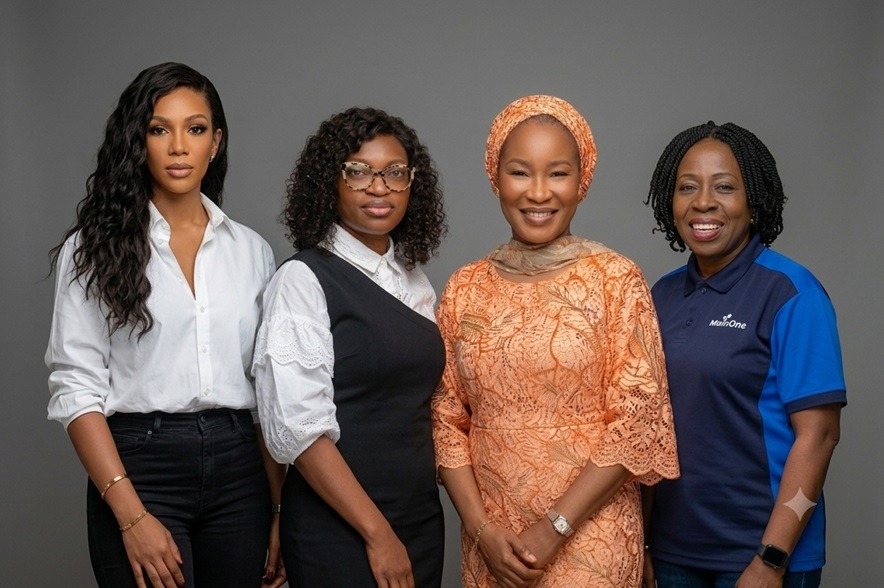
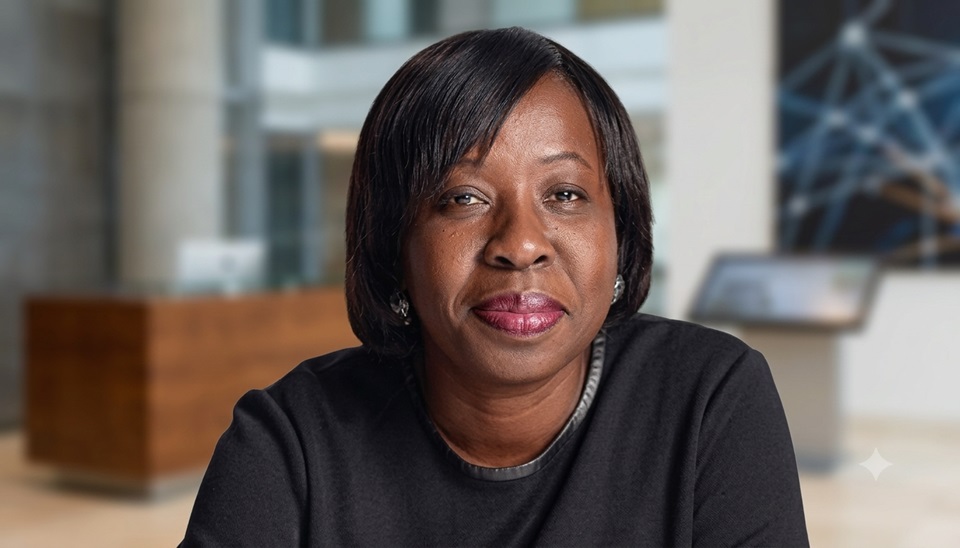
Domestically, the core architecture of West Africa’s internet infrastructure was championed by an indigenous visionary. Funke Opeke, the founder and Chief Executive Officer of MainOne, pioneered regional digital connectivity by constructing a multi-million-dollar private submarine cable and data centre network. Her engineering feat laid the groundwork for the modern digital enterprise ecosystem in Nigeria.
Similarly, the financial technology landscape has been fundamentally reshaped by technical ingenuity. Fara Ashiru Jituboh, Co-founder and Chief Executive Officer/Chief Technology Officer of Okra, built one of Africa’s leading open banking API platforms. Her proprietary software infrastructure now safely powers major financial data exchanges across the continent.
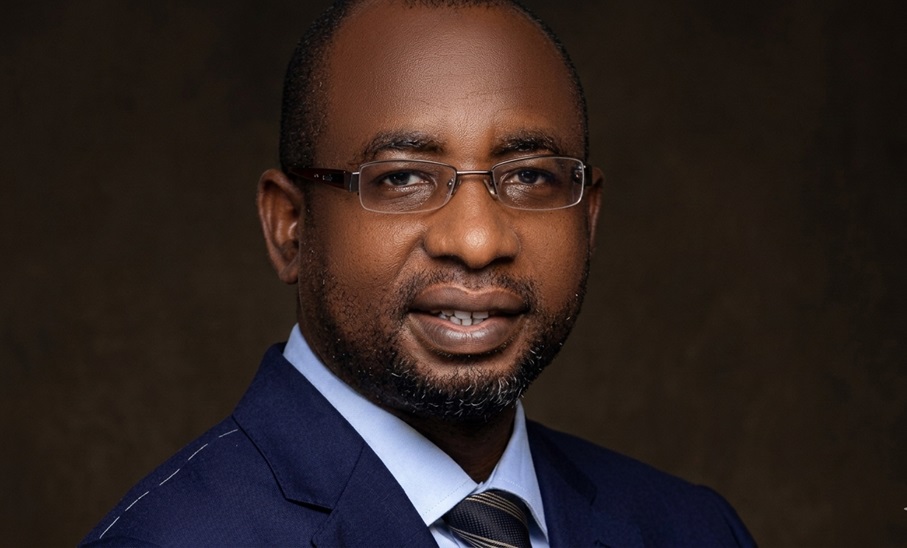
“Nigerian women are no longer mere consumers of digital solutions; they are actively shaping the architecture of global technology,” NITDA Director-General Kashifu Inuwa Abdullahi said in remarks delivered by his Special Assistant on Strategy and Innovation, Mrs. Iklima Musa Salihu.
Scaled Impact and Young Trailblazers
The velocity of this movement is visible in cross-border commerce and healthcare infrastructure. Jessica Anuna, founder of Klasha, has successfully scaled payment logistics that allow international retailers to seamlessly serve African consumers. Meanwhile, Adeola Ayoola, founder of Famasi Africa and a finalist for the Aurora Tech Award, is currently building advanced digital pharmacy infrastructure to secure patient care.

Data from continental evaluation bodies validates the immense economic footprint of these innovators. The Africa’s Business Heroes (ABH) cohort featured 17 Nigerian entrepreneurs whose enterprises collectively generated $170 million in revenue and employed over 6,200 individuals across 27 countries. Furthermore, initiatives like the Techeconomy Power List drew over 1,200 applications, highlighting a massive pipeline of technical talent.
Context Box: Fast Facts
| Metric / Indicator | Verified Data Point | Institutional Source |
| ABH Shortlist Cohort | 17 Nigerian Entrepreneurs Included | Africa’s Business Heroes |
| Aggregate Revenue (2025) | $170 Million Generated by Top Nominees | ABH Enterprise Index |
| Total Ecosystem Employment | Over 6,200 Jobs Created Across 27 Nations | ABH Tracking Report |
| Power List Talent Funnel | 100 Selected from 1,200+ Competitive Applicants | Techeconomy IWD Selection |
Overcoming Environmental Barriers: Lessons for Africa
The distinct trajectories of these tech leaders prove that individual desire combined with structured technical expertise can dismantle systemic obstacles. While environmental factors like limited infrastructure present difficulties, these pioneers demonstrate that local problems can be leveraged into scalable global solutions.
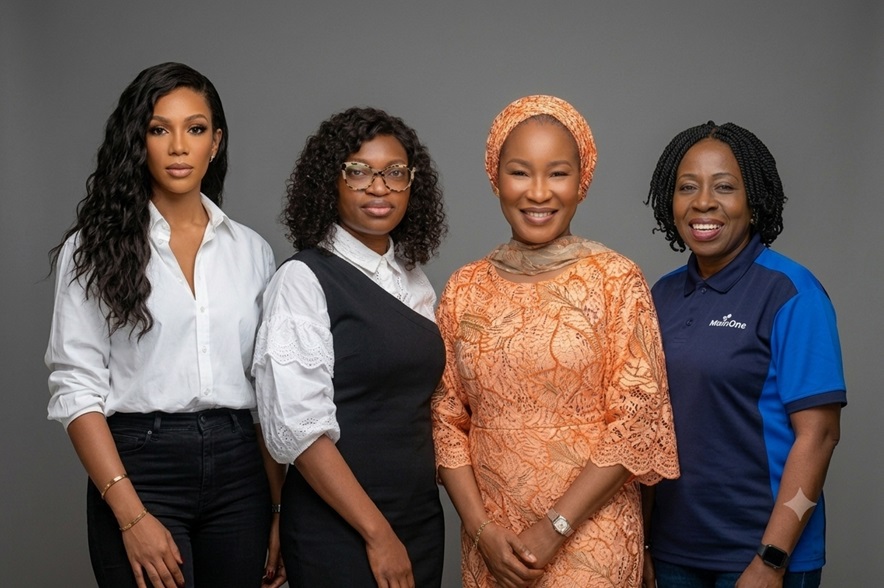
African societies must actively dismantle cultural stereotypes that discourage young girls from entering science, technology, engineering, and mathematics (STEM) fields. Programs like the UpGreyed Her initiative prove that early mentorship ensures young women do not underrate their capabilities in a highly competitive digital world.
The Social Call-to-Action (CTA)
What do you think? Which of these incredible tech leaders inspires you the most, and how can your local community better support young girls pursuing careers in STEM? Share your perspectives and join the conversation on the official NTA digital platforms using the hashtag #NTANetwork.