

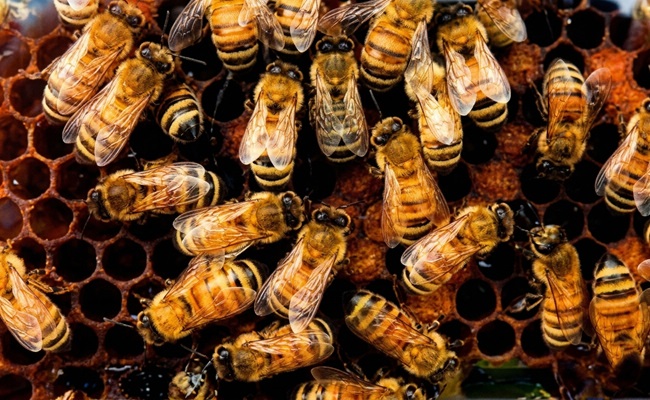
As Nigeria aggressively pursues agricultural diversification to power rural economies and safeguard national food security, an unexpected warning sign from the Appalachian foothills of West Virginia, USA, has provided a critical roadmap for local policy makers to protect the nation’s vital pollinator infrastructure before it is too late.
The US Warning: A ‘Cocktail’ of Colony Collapse
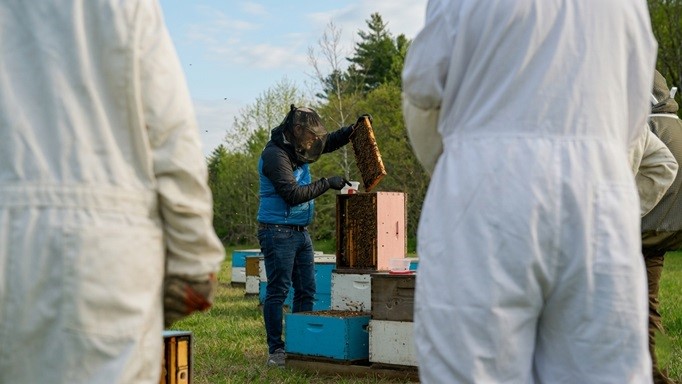
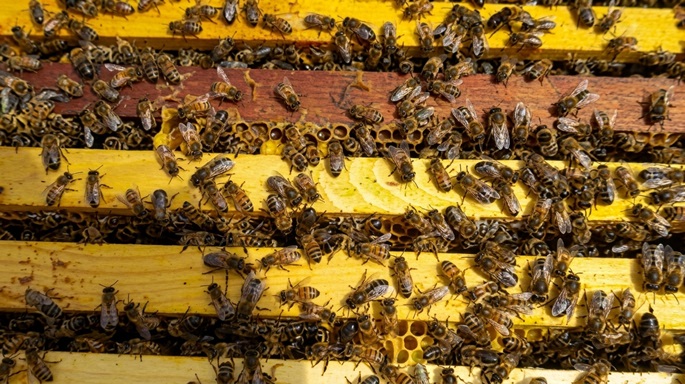
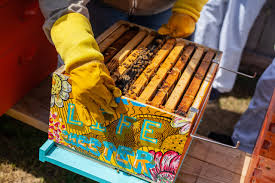
In the small community of Baker, West Virginia, local beekeepers like Roy Funkhouser are battling an unprecedented ecological crisis. Honeybee colonies are collapsing at alarming rates, with commercial beekeepers across the United States reporting devastating average losses of 60% to 62% of their hives during the 2024–2025 period.
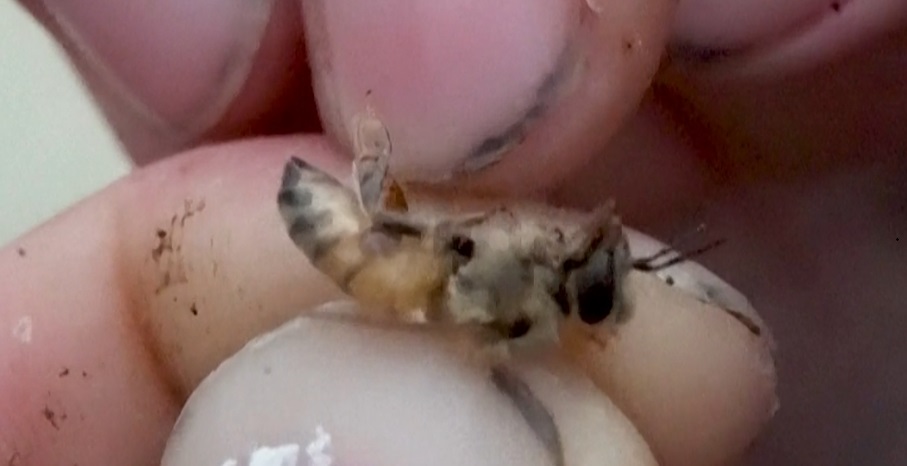
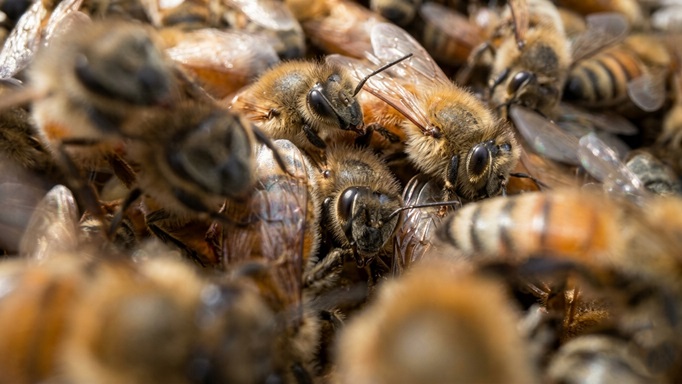
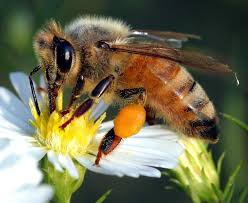
Scientists have traced this destruction to a lethal “cocktail” of environmental stressors. Parasitic Varroa destructor mites are feeding on bees and spreading deadly viruses, while intensive agriculture has created “monoculture deserts” devoid of floral diversity. Compounding the crisis, these pests are developing resistance to common chemical treatments.
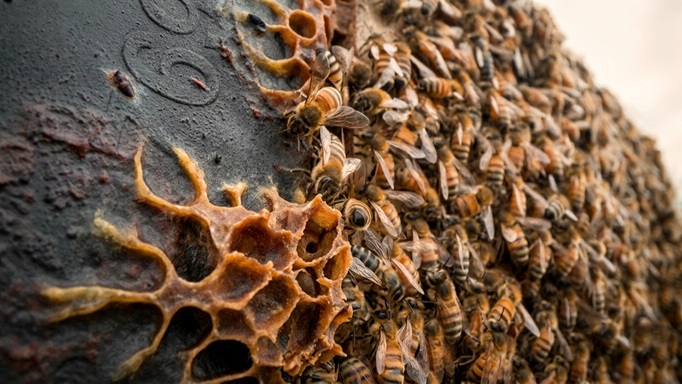
Alarmingly, this ecological breakdown is occurring just as the US government considers budget cuts and reorganisations that threaten the USDA’s Beltsville Bee Research Laboratory—the oldest federal bee lab in the United States. For American agriculture, which relies on honeybees to pollinate hundreds of millions of dollars worth of major crops like almonds, apples, and vegetables, the economic stakes are staggering.
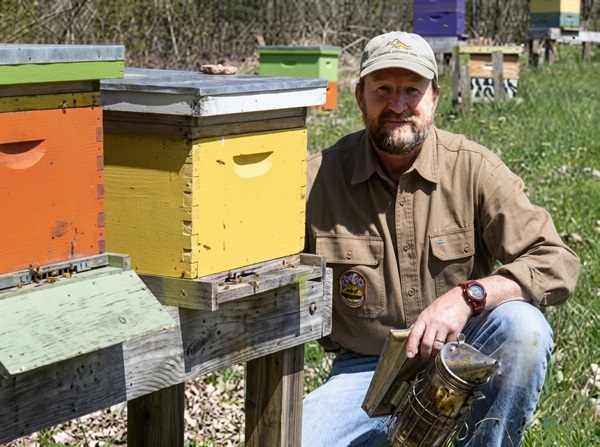

“The job is far harder today than in the past… [We see] fewer strong hives, higher costs, and less margin for error.” — Roy Funkhouser, West Virginia Beekeeper
Fast Facts: The Beekeeping Landscape
| Metric / Indicator | United States (Baker, WV Crisis) | Nigeria & Sub-Saharan Africa |
|---|---|---|
| Recent Colony Loss Rates | 60% – 62% average losses | ~21% average losses (with wide variations) |
| Primary Vectors of Loss | Varroa mites, viral mutations, miticide resistance, monocultures | Indiscriminate agrochemical use, bush burning, theft, drought, outdated practices +2 |
| Local Bee Species | Commercial European honeybee varieties | Local subspecies including Apis mellifera adansonii |
| Economic Drivers | Commercial pollination fees and large-scale honey revenue +1 | Rural income generation, youth employment, and smallholder food production +2 |
The Nigerian Context: Proactive Protection over Reactive Crisis
While the United States grapples with systemic losses, Nigeria finds itself at a historical crossroads. Recent surveys across nine Sub-Saharan African countries, including Nigeria, show an average colony loss rate of roughly 21%.
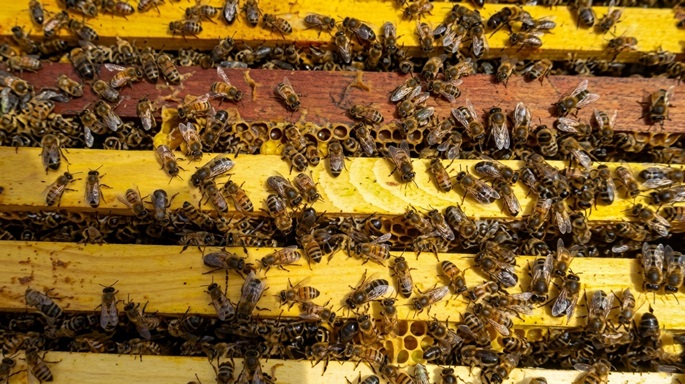
However, local apiculture faces distinct vulnerabilities. In states like Benue and Edo, studies flag a prevalence of low-cost but outdated management practices, poor record-keeping, and a severe deficit in advanced queen-rearing skills. Furthermore, human activities such as bush burning and land conversion for monocrops are actively wiping out vital nesting sites and floral resources.
With apiculture rapidly expanding across the Federation as a vital tool for youth employment, poverty reduction, and crop nourishment, Nigeria cannot afford to manage its pollinator populations by guesswork.
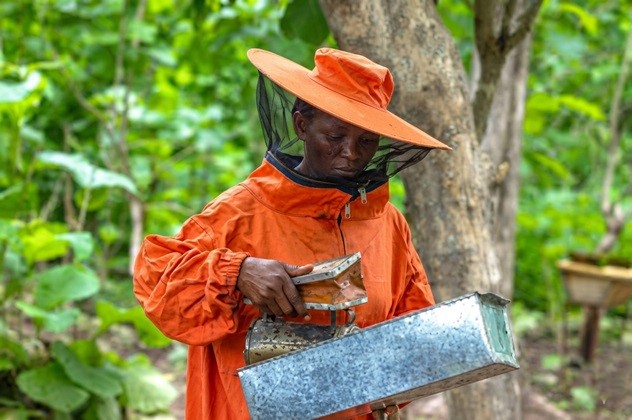

Six Strategic Lessons for Nigerian Policy Makers
1. Institutionalise Bee Health Research
Nigeria must establish a dedicated, well-funded national apiculture research unit equipped with robust diagnostic capacities. This institution must focus field trials specifically on local honeybee subspecies, such as Apis mellifera adansonii, to test affordable treatments and create practical guides for smallholders. +1
2. Regulate and Manage Agrochemicals
The indiscriminate use of crop-protection chemicals poses an immediate threat to local hives. The Federal Ministry of Agriculture and Food Security, alongside regulatory agencies, must tighten pesticide-use rules around flowering crops. Extension agents need comprehensive training on bee-safe spraying windows, alongside the nationwide promotion of Integrated Pest Management (IPM) to reduce chemical reliance.
3. Implement Data-Driven Policy Support
To move away from speculative planning, the federal government should mandate regular national apiculture surveys and loss-tracking mechanisms. These data pools should be leveraged to build modern safety nets, including specialised agricultural insurance schemes and theft-prevention frameworks for rural apiaries.
4. Modernise Hive Management and Capacity Building
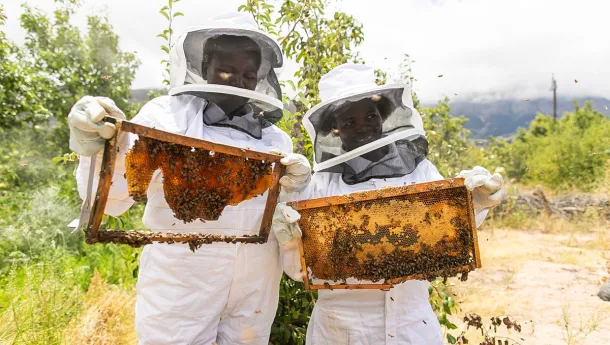
To scale up production, governments and non-governmental organisations (NGOs) must modernise the sector. Nigeria can expand on successful templates—such as the UNDP-supported youth initiatives in Benue State—by distributing standardised hives, protective gear, and conducting specialized training in disease recognition. +1
5. Protect and Restore Pollinator Habitats
Environmental policy must actively discourage indiscriminate bush burning and deforestation. Local governments, especially in apiculture-heavy states like Benue, Edo, and Oyo, must collaborate to protect key foraging corridors, establish “pollinator-friendly” buffer zones, and encourage agroforestry.
6. Elevate Beekeeping to Critical National Infrastructure
Ultimately, honeybees must be viewed as a strategic national asset rather than an isolated rural hobby. Apiculture must be formally integrated into national agricultural policy frameworks, climate change adaptation strategies, and rural development budgets.


The Social Call-to-Action
What do you think? Should the Federal Government treat our local honeybees as a strategic national infrastructure asset to boost food security? Share your thoughts and join the conversation in the comments section on our social media pages via @NTANetwork.