
Compiled By: Malami Haruna Dogon daji
30 SEPTEMBER, 2026, ABUJA-NIGERIA
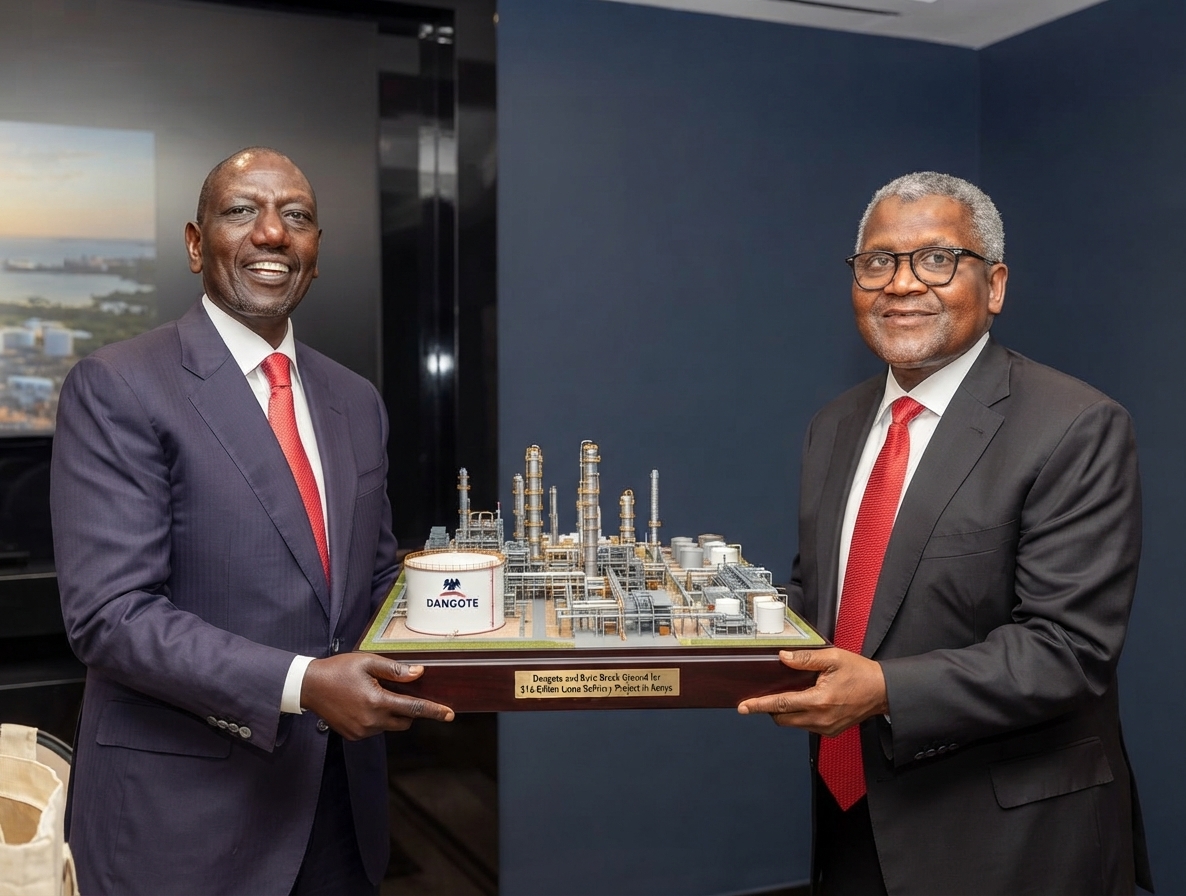
As Africa continues its bold march toward industrial self-determination, a monumental new chapter has begun on Kenya’s Indian Ocean coast with the groundbreaking of the $16-billion Dangote East African Refinery in Lamu.
A Continental Wager on Value-Chain Transformation
For decades, the continent has grappled with a classic economic paradox: exporting raw crude oil only to import refined petroleum products at significantly higher costs. The 700,000-barrel-per-day (bpd) Lamu refinery project—initiated by industrialist Aliko Dangote alongside Kenyan President William Ruto—aims to rewrite this narrative by shifting Africa’s position from a price-taker to a regional processing powerhouse.
“The Lamu project extends a notable African business proposition: that large-scale African private capital, rather than states alone or foreign oil majors alone, can build continental infrastructure.” – Broadly Valid Context Analysis
While East Africa’s annual petroleum product demand ranges between 20 to 30 million metric tonnes, analysts note that the ambitious plant will act as a vital anchor facility rather than an immediate cure-all for import reliance.
Fast Facts: The Lamu Refinery Blueprint
- Total Investment: Approximately $16 billion, positioning it among the continent’s largest industrial ventures.
- Projected Capacity: 700,000 bpd designed to serve Kenya and wider East and Central African markets.
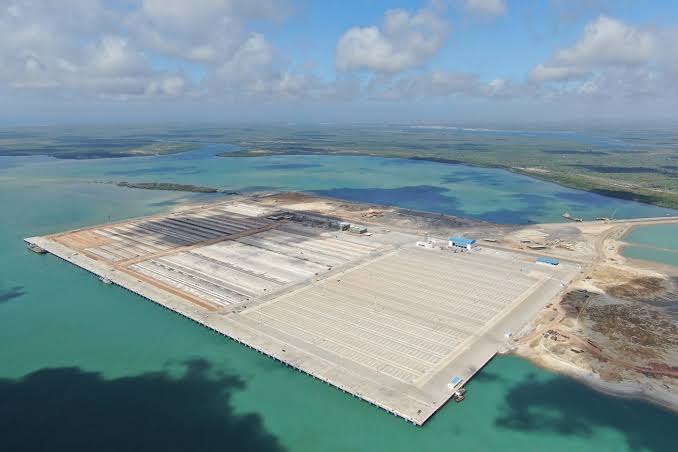
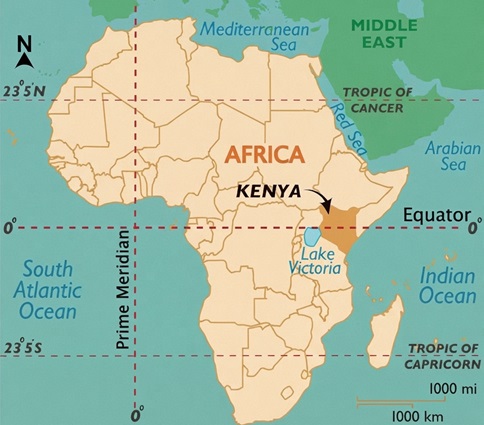
- Strategic Location: Situated within the LAPSSET special economic zone on Lamu’s coast.
- Target Completion: Slated for 2030, initiating a critical execution window for financing, logistics, and infrastructure.
Overcoming Critical Hurdles for Sustainable Growth
Despite the immense economic promise—including over 50,000 projected jobs and regional equity stakes offered to neighboring governments—experts emphasize that the project’s long-term success hinges on addressing key structural challenges. These include securing stable crude supply chains, resolving local land rights and environmental safeguards near heritage zones, and completing vital supporting transport corridors like the LAPSSET pipeline and storage terminals.
The Social Call-to-Action (CTA):
As this ambitious industrial venture takes shape in East Africa, how can regional governments and private investors best ensure that such mega-projects directly benefit local communities and drive sustainable economic growth? Share your views on NTA’s digital platforms @NTANetwork