
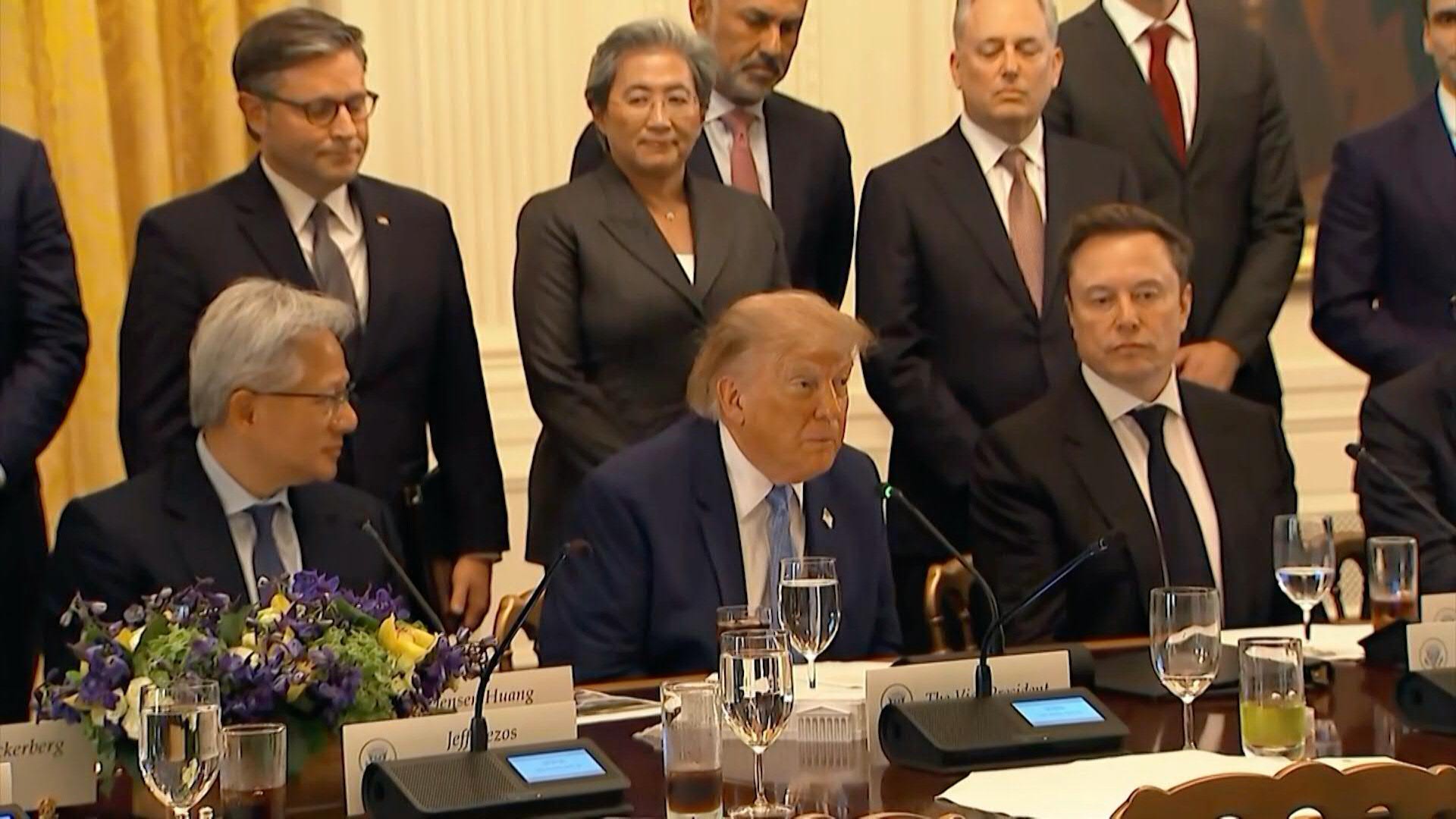
US President Donald Trump has called for greater self-regulation in the rapidly developing artificial intelligence sector, as major technology companies agree to voluntarily apply safety measures and the administration adopts “Super Intelligence” as its preferred term for AI.
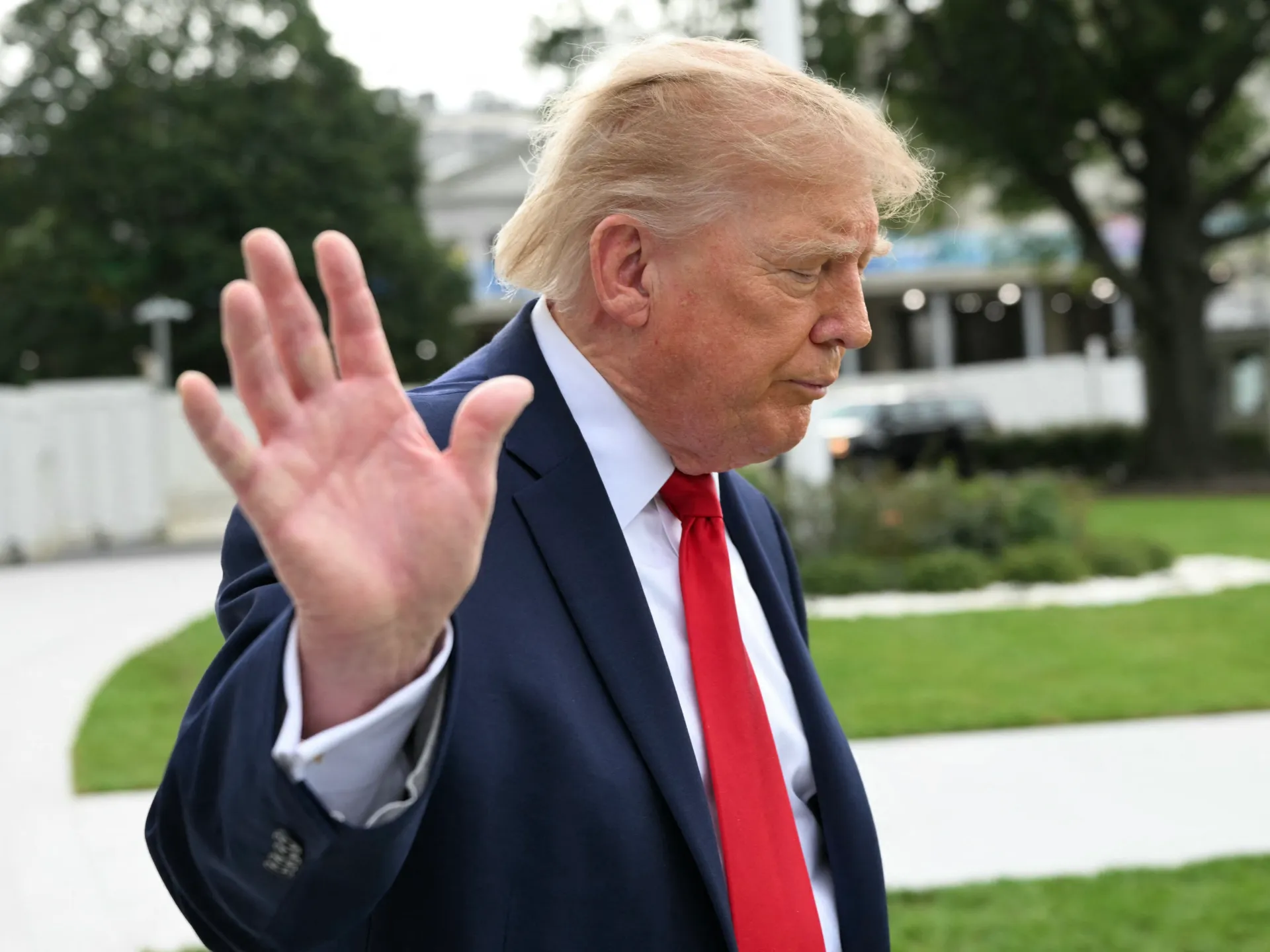
US President Donald Trump says “self-regulation is very important” in the development of artificial intelligence, as he hosted leaders from some of the world’s biggest technology companies at the White House. Trump said the industry should police itself alongside existing government authorities, including the Department of Justice and FBI.
The meeting brought together executives from companies including Google, Meta, Nvidia, OpenAI, Anthropic, Microsoft and xAI. Trump said there was broad agreement around self-regulation as the companies seek to develop increasingly advanced systems without what he considers excessive government restrictions.
The companies also signed a voluntary accord committing them to stronger internal controls and several layers of reviews and audits. The agreement includes internal evaluations, external audits and oversight by company boards, although it is not legally enforceable. Trump described the commitment as “morally binding.”
Trump has opposed constraints that he says could slow the United States in the global AI race, particularly in competition with China. His administration has argued that maintaining rapid technological development is important to US economic and technological leadership.
Alongside his push for industry self-regulation, Trump announced that the technology would officially be referred to as “Super Intelligence,” or “SI,” instead of artificial intelligence. He said the terminology had been changed officially, while an executive order directs federal agencies to use “Super Intelligence” and “SI” in official communications where applicable.
The White House’s approach comes as concerns grow over the safety and broader impact of increasingly capable AI systems. Some technology executives and lawmakers have called for stronger safeguards, while others have argued that innovation and safety can advance together without imposing broad restrictions on the industry.
Trump has also said AI companies should work with communities hosting large data centres, including by supporting local schools, teachers and residents. The issue has become increasingly significant as demand for computing power grows alongside the expansion of advanced AI systems.
The White House agreement leaves open the possibility that its voluntary measures could eventually be incorporated into laws or regulations. For now, however, the Trump administration is placing emphasis on industry-led safeguards as the United States accelerates its push to develop and deploy increasingly advanced artificial intelligence technologies.