

Compiled By: Malami Haruna Dogon daji
OCTOBER, 2026 – ABUJA, NIGERIA
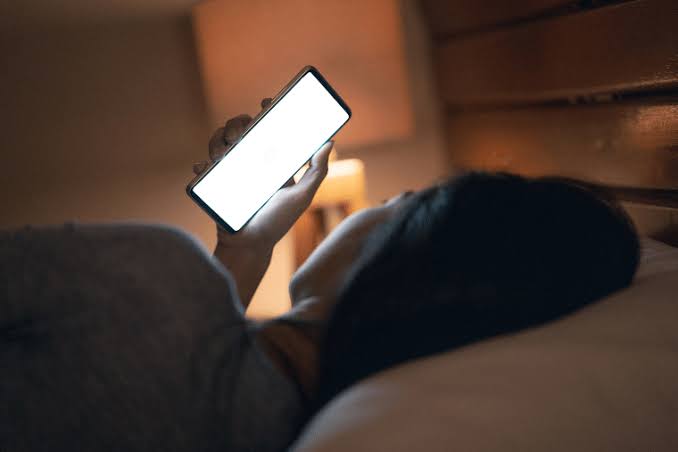
It starts with a quick check. One notification, one message, thirty seconds at most. Then the clock says 2 a.m., your eyes are burning and you can’t remember what you just watched. Nobody sends a bill for that kind of night. Our bodies and minds pay it quietly, with rest and productivity traded for rewards that vanish the moment we scroll past them.
Screen Time: From Safe Habits to Extreme Overload
Social media takes up a big slice of our days. DataReportal’s global report estimates that the typical internet user spends 2 hours and 21 minutes a day on it. For Nigeria, DataReportal estimated 36.75 million active social media user identities, equal to 16.2% of the population.
Let’s be fair: our phones are useful. They help us learn, work, find customers, keep in touch and call for help in an emergency. The trouble starts when use runs out of control, and the effects reach into everyday life:
- Wasted potential. Every scroll session pushes back something that matters: study, exercise, paid work, prayer, conversation, rest.
- A physical toll. Late-night browsing forces your body to adjust to a schedule it wasn’t built for, and that disrupts your natural circadian rhythm. The result can be sleeplessness, even chronic insomnia, and your overall health suffers.
- A scattered mind. Phones interrupt our work and make it harder to give real attention to the people and tasks right in front of us.
So forget counting hours for a moment. Here is a better question:
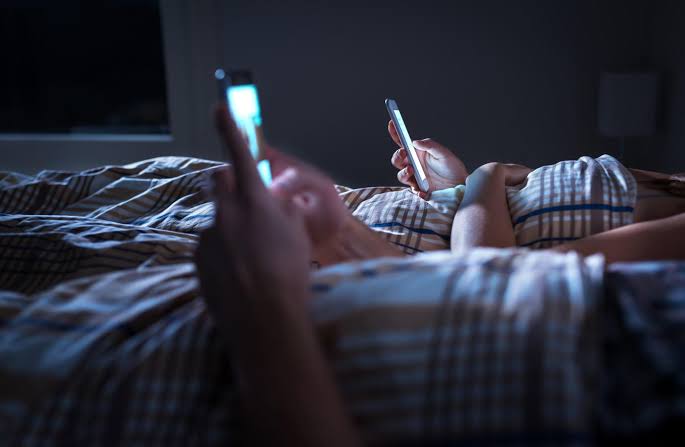
“A more useful question than ‘How many hours?’ is ‘What is this time replacing?’ If scrolling repeatedly delays sleep, study, exercise, paid work, prayer, conversation or rest, the screen is starting to crowd out something valuable.”
The Dopamine Trap: Why It’s So Hard to Put the Phone Down
If you’ve ever wondered why “just five more minutes” never works, the answer lies in the brain.
Dopamine is a chemical messenger involved in motivation, learning and how the brain responds to rewards. It isn’t a poison that builds up when you use your phone, and it isn’t simply the “pleasure chemical” you may have heard about. Its job includes helping us learn from outcomes and guiding what we do next.
Social platforms play on exactly this system. They hand out rewards that keep changing and never quite repeat: a new video, a message, a like, a comment. You never know what the next swipe will bring, so you keep swiping. Research analyzing more than one million posts from over 4,000 people found that posting and scrolling followed patterns consistent with reward learning. That helps explain why social feedback keeps pulling us back.
And when the brain is caught in these fast, endless loops:
- The normal rhythm breaks. The constant hunt for something new pushes your brain into an unnatural pace, and ordinary tasks start to feel dull and unrewarding.
- The “detox” is a myth. The phrase “dopamine detox” sounds convincing, but dopamine can’t be flushed out by a special diet, a weekend without screens or a cold shower. Neuroscience researchers have criticized the idea that staying away from pleasurable activities cleans or resets your dopamine levels.
- A digital reset is the real goal. Skip the gimmicks and aim to make your device serve your priorities, not the other way round. Start small with one experiment: a phone-free hour before bed, a notification-free study session, or one day a week when you don’t open a particular app.

Fast Facts: Reclaiming Your Time and Health
- The Sleep Boundary: If screens are delaying your sleep or feeding insomnia, put them away close to bedtime.
- Practical Checks: Switch off non-essential notifications. Keep phones away during family meals and study time.
- Professional Support: If compulsive use, low mood or severe sleep problems won’t go away, talk to a qualified health professional.
Social Call-to-Action
What’s your trick for keeping late-night scrolling from eating into your rest? Share your own strategies with us on NTA’s digital platforms @NTANetwork. The one that works for you might be exactly what someone else needs tonight.