
Compiled By: Malami Haruna Dogondaji
Directorate of Digital Innovation and Technology
ABUJA, NIGERIA — The Nigeria’s Federal Government has relaunched the National Digital Switch-Over (DSO) programme, targeting a full transition from analogue to digital broadcasting by 31 December 2028 through a hybrid model that combines terrestrial, satellite, and internet-based delivery.
A Strategic Leap in Media and Economic Reform
Following its relaunch on 17 June 2026, Nigeria’s digital broadcasting transition is being positioned as both a crucial media reform and a milestone economic policy. Officials state the newly unveiled framework will permanently reshape the nation’s media landscape by replacing legacy analogue systems with a high-capacity digital network.
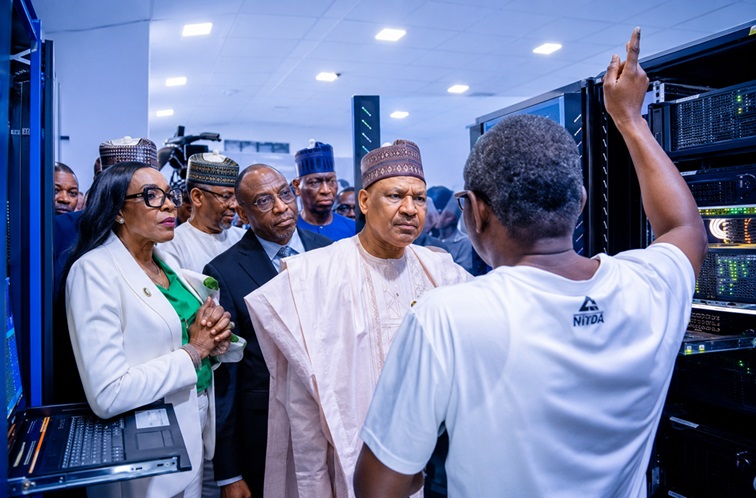
This migration implements an ambitious hybrid system that fuses digital terrestrial television (DTT), direct-to-home (DTH) satellite delivery, and internet-based platforms. By blending these technologies, the strategy ensures seamless coverage across urban centres, peri-urban neighbourhoods, and remote rural communities.
Unlocking N605 Billion: The Economic Dividend
The transition extends far beyond clearer pictures and sharper sound. As Africa’s largest broadcasting market, Nigeria’s digital migration stands to unlock massive economic opportunities.
Projections indicate the DSO will generate approximately N605 billion in domestic advertising revenue. Furthermore, the subsequent auction of freed-up analogue spectrum is expected to inject over US$1 billion into public coffers.
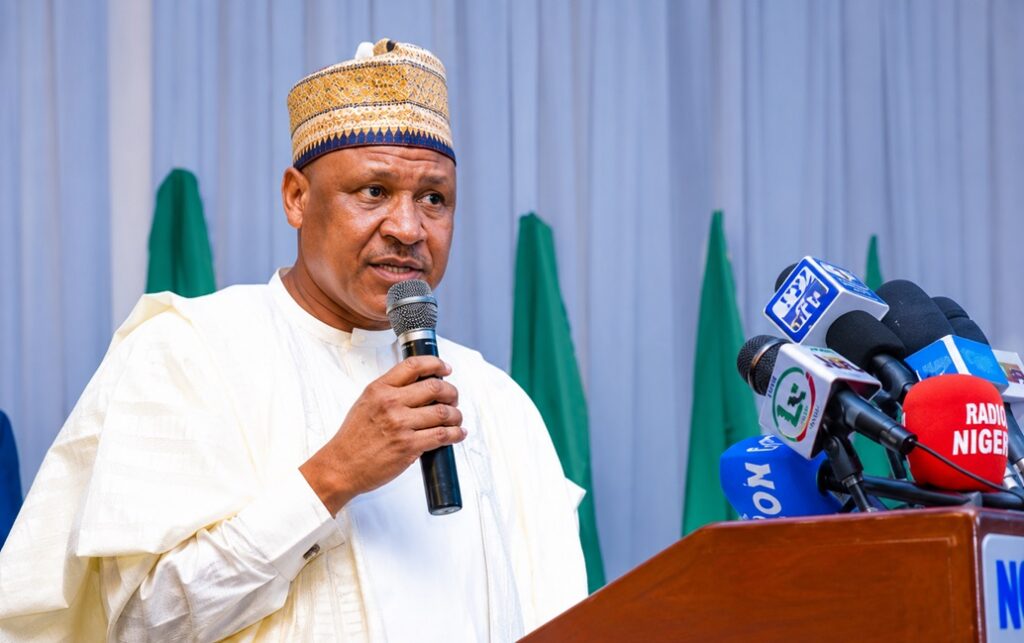
“This big-picture strategy serves as a critical catalyst for telecoms, infrastructure and national revenue growth, charting a sustainable path for our creative industries.”
— Minister of Information and National Orientation, Mohammed Idris
The freed broadcast spectrum will be repurposed to accelerate rural broadband deployment. This initiative aims to bridge the digital divide for millions of citizens nationwide.
What This Means for Everyday Nigerian Viewers
For ordinary households, the switch-over promises an immediate upgrade in consumer experience. Viewers will enjoy crystal-clear reception and access to more than 57 channels through FreeTV and the NigSat satellite platform.
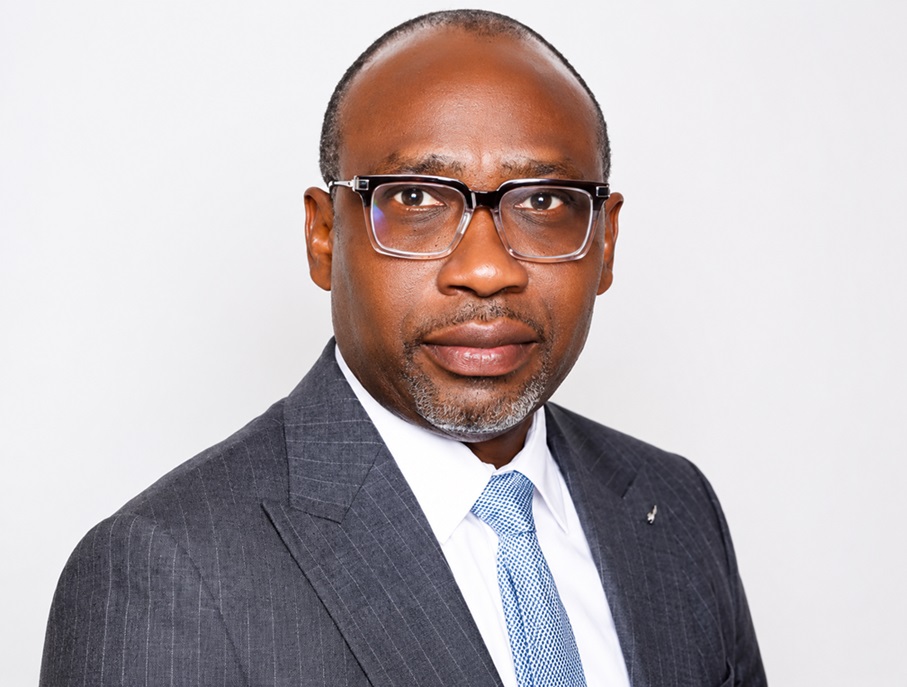
However, the transition requires proactive public alignment to succeed. Stakeholder agencies, including the Broadcasting Organisations of Nigeria (BON) and NIGCOMSAT, under the regulatory guidance of NBC Director-General Charles Ebuebu, are intensifying public education to combat misinformation.
The core message remains straightforward: citizens will not lose access to television. To receive the upgraded digital signals, households simply need to acquire a compatible set-top box decoder or a digital-compliant device linked to a terrestrial or satellite path.
Context Box: Fast Facts
Strategic Implications for the African Continent

Nigeria’s digital policy choices carry significant weight across the continent. Given the sheer size of the domestic market, a successful rollout provides an immediate regulatory and technical template for other African nations grappling with spectrum planning and broadcaster financing.
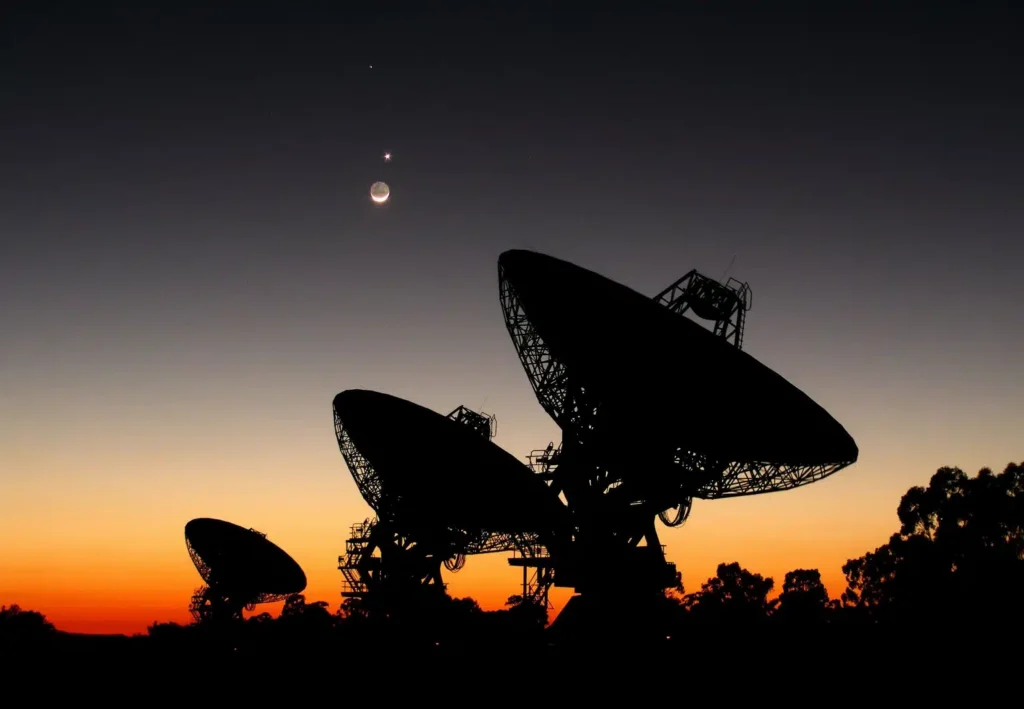
By demonstrating the economic and technical viability of a hybrid broadcasting framework, Nigeria’s rollout underscores its regional influence and capacity to scale modern media architecture.
The Social Call-to-Action (CTA)
What is your view? Is your household ready for the 2028 analogue switch-off, and what features are you most excited to experience on FreeTV? Share your thoughts with us in the comments section below or engage with our editors on NTA’s official social media platforms.