

Compiled By: Malami Haruna Dogondaji
OCTOBER 12, 2026 – ABUJA, NIGERIA
You snap the photo, add a caption and hit post. It takes ten seconds and feels like nothing will go wrong ever. But to someone with bad intentions, here or abroad, that “nothing” can be a map, a schedule and a shopping list all in one.
The Illusion of Harmless Sharing
Let’s be fair to our phones. They help us learn, earn, find customers, stay close to family and call for help when it matters. But the same device also leaks our private lives, steals our sleep, and pulls our eyes away from the people sitting right in front of us.
And what we share rarely stays where we put it. A post that feels small to you can be very useful to a stranger:
- A photo can show your child’s school uniform, or the street you live on.
- A travel update can quietly announce that your house is empty.
- A public profile can stack your name, face, phone number and birthday into everything someone needs to pretend to be you.
Consider what Nigerian children are already putting out there. A 2020 Nigerian Communications Commission (NCC) survey gathered 7,013 usable responses from children, parents and teachers across the country. Among children aged 4 to 16:
- 90% showed a face photo on a social media profile.
- 85% showed their full name.
- 56% showed their correct address.
- 45% showed their correct age.
- 43% showed a phone number.
Put those together and you have a detailed portrait of a young person, handed over for free. The survey also found that 85% of urban children aged 11 to 16 browsed or chatted on social networking sites every day. Average screen time ran up to three hours a day, and some children reached ten hours or more. (One caution: the fieldwork happened in 2020, during COVID-19 restrictions, so treat it as a snapshot, not a picture of today.)
When Oversharing Turns Dangerous
Once we lose track of our digital footprints, the damage can leave the screen and show up at the front door.
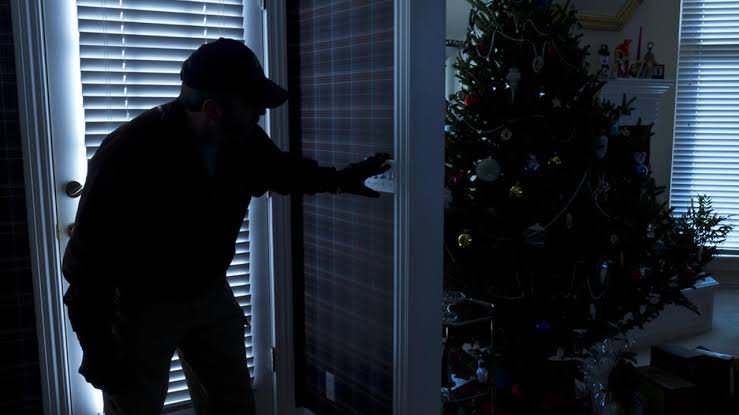
- Burglars read vacation posts too. In October 2026, police in Scottsdale, Arizona, reported that a suspect had used acquaintances’ vacation photos on social media to find empty homes and break into them.
- Scammers work in organised teams. In February 2026, the UK’s National Crime Agency announced that seven men had been arrested in Nigeria over an alleged online investment-scam operation. It targeted people in the UK and US using hundreds of fake Facebook accounts and false investment reviews.
- The losses are huge. An eight-week INTERPOL operation across 16 African countries led to 651 arrests. It uncovered scams tied to more than US$45 million in losses and 1,247 victims. In Nigeria alone, authorities dismantled a fraud ring that relied on phishing, identity theft and social engineering, and took down over 1,000 fraudulent social media accounts.
So does this mean you should delete everything and go silent? No.
“The lesson is not ‘never post.’ It is ‘pause before posting.’ Ask: Does this reveal where I am, where my child goes to school, when my home is empty, or information that could help someone guess a password or impersonate me?”
What Happens If We Don’t Censor Ourselves, or Our Children?
Here’s the uncomfortable part: some mistakes can’t be undone.
Nigeria’s Data Protection Act does give people real rights over personal data held by organizations, including the right to be informed, to access their data and to have it corrected. But those protections cannot reliably pull back a photo or detail you’ve already made public and that other people have copied. Once it’s out, it’s out.
There’s a quieter cost too. The hours we hand to our screens come straight out of sleep, study, exercise and family conversation.
What We Must Do Now
The good news is that small habits make a big difference.
- Pause before you post. Run every post through the questions above. Never share travel plans in real time. Post your holiday photos after you’re back home.
- Lock down your children’s profiles. Keep them private. Never publish a child’s school, daily routine, address or live location.
- Guard your money and identity. Never post bank details, passwords, one-time codes or identity documents. Not even “just to show a friend.”
- Set boundaries. Switch off non-essential notifications. Pick a time to stop scrolling. Keep phones off the dinner table and away from the bed. Talk to your children about these rules, then follow them yourself, because they’re watching what you do.
Fast Facts: Digital Safety Checklist
- The Golden Rule: If you wouldn’t hand a stranger your house keys or a copy of your bank statement, don’t post it.
- Real-Time Silence: Share holiday photos after you return home, not while you’re away.
- Data Permanence: Public posts get copied in seconds. Data protection laws can’t recall what’s already been shared.

Social Call-to-Action
Where do you draw the line between staying connected and keeping your family’s life private? Tell us your own safety rules and tips on NTA’s digital platforms @NTANetwork. Your advice might protect someone else’s family.