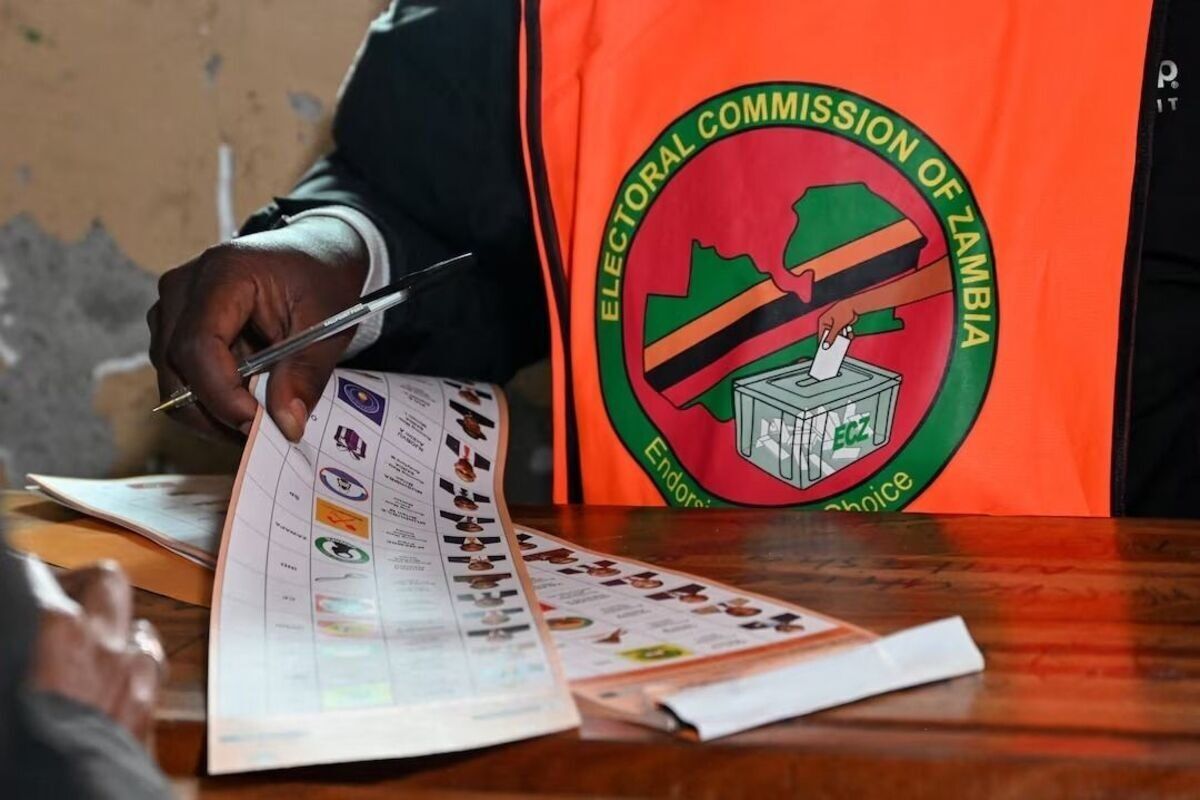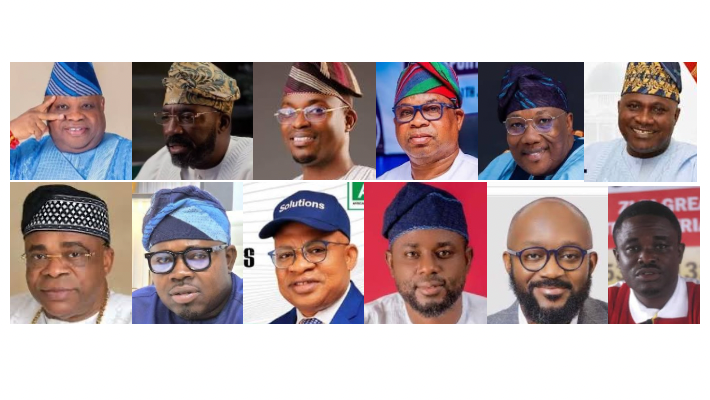

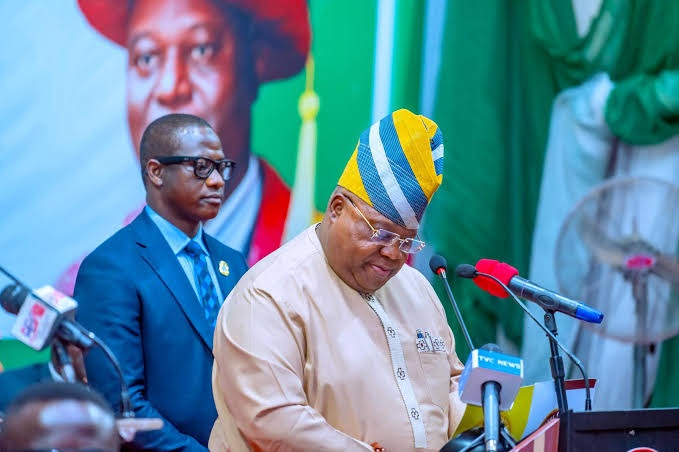
On Saturday, August 15, 2026, the people of Osun State returned to the polls to decide who would lead the state for the next four years. Incumbent Governor Ademola Adeleke of the Accord Party emerged victorious with 511,067 votes, defeating his closest challenger, Bola Oyebamiji of the All Progressives Congress, who polled 444,815 votes.
The result gives Adeleke a renewed mandate and another opportunity to pursue the development agenda of his administration. In his reaction to the victory, the governor described the outcome as a vote of appreciation from the people of Osun for the work his administration has carried out since assuming office.
But beyond the celebrations, campaign promises and political calculations that defined the election lies a more important question: what comes next for Osun State?
With the election now behind him, attention shifts to how Adeleke will use his renewed mandate to consolidate existing programmes, address areas where expectations remain unmet and respond to the economic and social needs of the people.
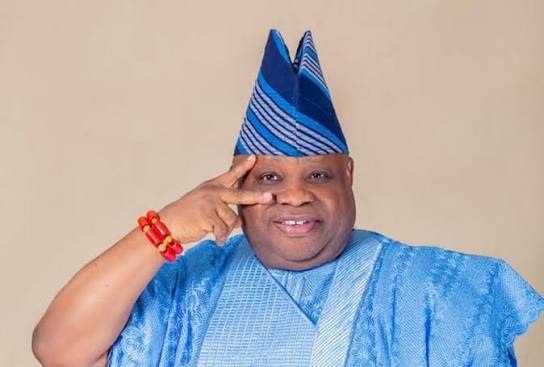
Adeleke’s major task in his second term will be to shift the conversation from what his administration has achieved to how it can transform Osun State’s economy. In a post-election statement, the governor said he would repay the confidence reposed in him by working to move the state from what he described as a “civil-service state” to a “fully developed commercial state.” The ambition points to a broader economic agenda focused on expanding private-sector activity, creating jobs, strengthening local businesses and reducing the state’s dependence on the public sector as the main driver of economic activity.
Adeleke said the next phase of his administration would focus on moving Osun State “from a civil-service state to a fully developed commercial state.” That ambition points to a stronger emphasis on businesses, investment, commerce and private-sector activity, with the government seeking to reduce the state’s heavy reliance on public-sector employment as a driver of economic activity.
Infrastructure is likely to remain one of the major pillars of Adeleke’s second-term agenda. His campaign was built largely around continuity, with the administration pointing to hundreds of completed projects and pledging to sustain the momentum. The challenge now is to ensure that infrastructure development goes beyond visible projects and directly supports economic activity — improving access to markets, reducing the cost of doing business, connecting communities and creating an environment where private investment can thrive.
The success of Adeleke’s next phase may therefore depend not only on how many projects are completed, but on how effectively those projects translate into jobs, stronger businesses and increased economic activity across Osun.
Education is another area Adeleke cited in explaining why voters renewed his mandate. During the campaign, his administration highlighted projects at Osun State University and the University of Ilesa, including lecture facilities, laboratories, the completion of previously abandoned projects and student accommodation.
If the state is to move from a civil-service-driven economy to a more commercially oriented one, its universities and other institutions of learning will need to produce graduates with skills relevant to agriculture, technology, manufacturing, entrepreneurship and other emerging sectors. Education could therefore become more than an infrastructure agenda; it could serve as the foundation for the human capital required to build the commercial Osun Adeleke envisions.
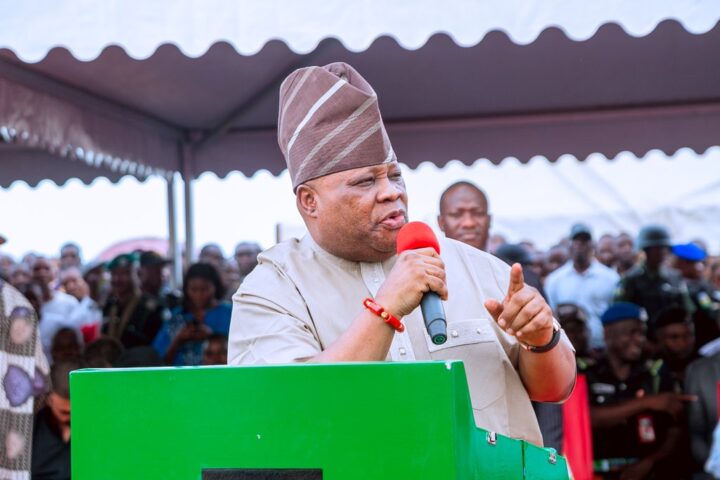
Agriculture is another sector with significant potential to drive Adeleke’s economic vision. The governor has defended his administration’s agricultural programmes, particularly efforts around cash-crop expansion, tractorisation and the distribution of improved seedlings. The focus, however, will need to extend beyond increasing production to building a stronger commercial value chain around what farmers produce.
The campaign message was not simply about completing government projects. It was framed around delivering more opportunities and building a more prosperous Osun State. In his post-election statement, Adeleke also emphasised the need to widen development across the state, suggesting that his second term will face growing expectations to ensure that the benefits of government programmes extend beyond major urban centres and into communities across the state.
For the administration, the task will be to balance investment in physical infrastructure with the quality and accessibility of public services. A stronger economy ultimately has to improve the lives of the people who drive it, making social development an important measure of whether Osun’s next chapter delivers on the promise of a more prosperous state.