
For decades, the western security architecture rested on a comforting certainty: a direct Russian assault on a NATO member state was completely unthinkable. But as Danish military intelligence shatters that long-held assumption in Copenhagen, even citizens across Africa must look up and take stock, because when global superpowers recalibrate the margins of war and peace, shockwaves inevitably ripple through international food markets, fuel prices, and digital supply chains.
A Shift in Copenhangen’s Calculus
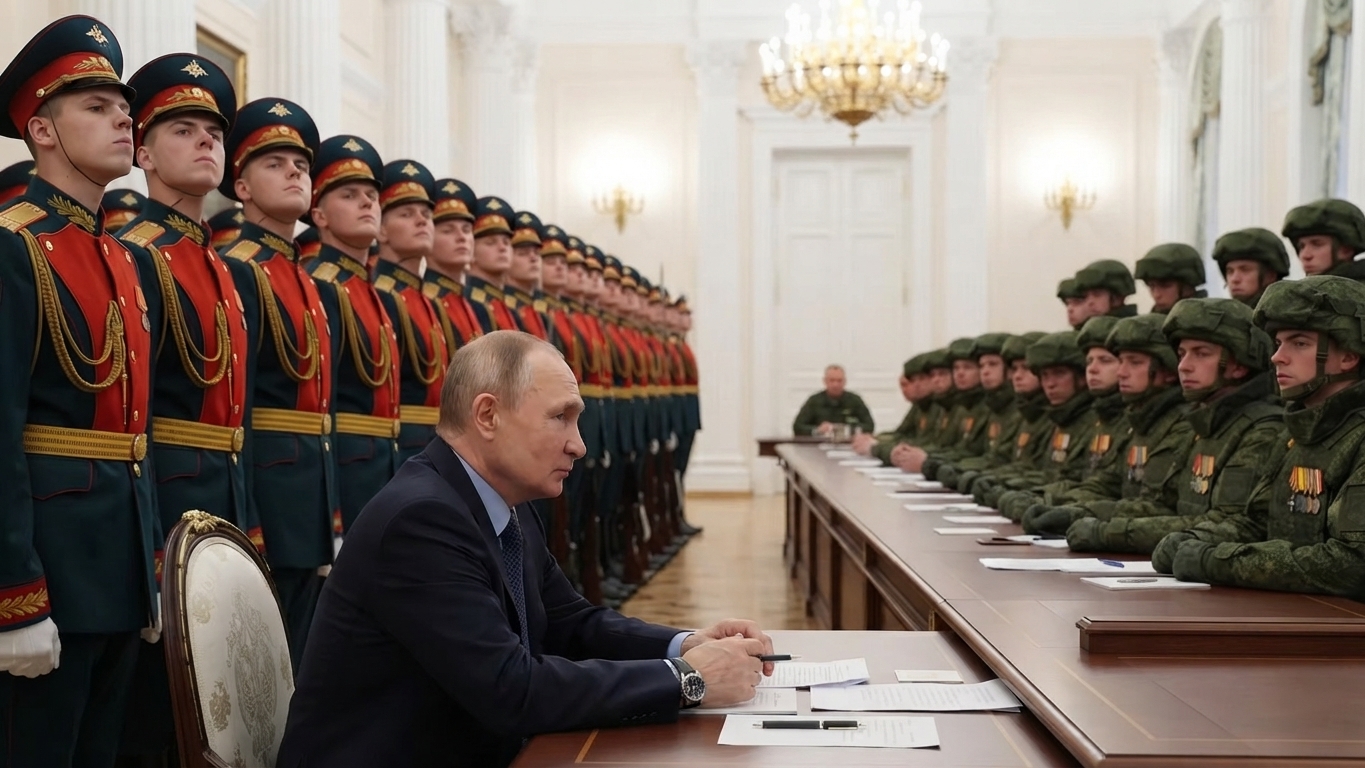
On Thursday, 24 September 2026, the head of Denmark’s Defence Intelligence Service (DDIS), Thomas Ahrenkiel, delivered a sobering assessment during a press briefing. While emphasizing that a full-scale invasion remains highly unlikely, intelligence chiefs conceded that such a scenario can no longer be completely ruled out.
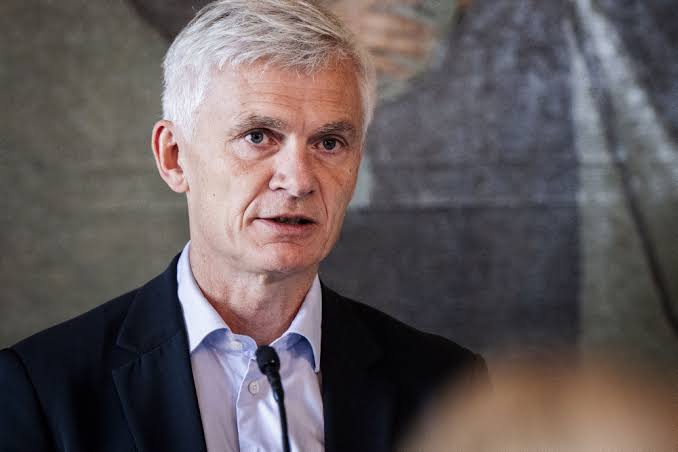
“There is a low but growing risk that Russia will launch a limited military attack against one or several NATO countries bordering Russia… We can no longer rule it out, and that is new.” — Thomas Ahrenkiel, Head of DDIS
This recalibration does not portend an imminent war tomorrow. Rather, it signals that traditional deterrence frameworks are facing unprecedented stress tests, forcing military planners and policymakers across Europe to re-evaluate their operational readiness.
The Everyday Reality of Hybrid Warfare
Beyond fears of mass troop movements, European security agencies warn that the immediate danger manifests through a stealthier vector: hybrid warfare. Intelligence reports highlight an escalation in targeted sabotage, reconnaissance recruitment, and cyberattacks directed at critical European infrastructure.

Fast Facts: Understanding the Global Stakes
- Food & Fuel Vulnerability: Escalations in the Baltic and Black Sea regions directly impact global wheat, maize, and fertilizer shipments, driving up inflation risks worldwide.
- Digital Infrastructure: Critical undersea cables and data hubs routing international traffic through Europe remain vulnerable to hybrid disruptions.
- The Diplomatic Tightrope: Intensified superpower competition increases pressure on developing nations to align in multilateral forums.
5. The Social Call-to-Action (CTA)
As geopolitical tensions shift in Europe, how vulnerable are global supply chains and emerging economies to distant security crises? Share your perspective on NTA’s digital platforms using #NTANetwork or leave a comment below.