
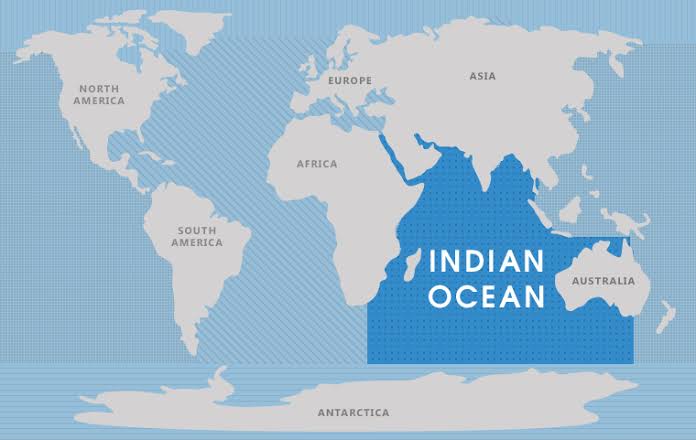
As tensions between Washington and Tehran reach a new peak, a senior adviser to Iran’s supreme leader has warned that any fresh U.S. attack on Iranian territory could push the Middle East conflict into the Indian Ocean — a move that would threaten some of the world’s busiest shipping lanes and raise the risk of a wider regional war.
A Direct Warning from Tehran
On Thursday, Mojtaba Khamenei’s office confirmed that an adviser to Iran’s supreme leader issued a stark message: if the United States carries out another military strike on Iran, Tehran may expand the war beyond the Middle East and into the Indian Ocean.
The warning comes after weeks of intensified military exchanges:
- The U.S. and Israel have conducted airstrikes on Iranian soil since February 2026, according to recent reporting.
- Iran’s supreme leader was killed in a U.S.–Israeli strike in February, followed by further escalations.
- Washington has simultaneously imposed sweeping sanctions on Iran’s economy, including its entire commercial airline network.
In this context, the Indian Ocean threat is both a military signal and a strategic warning aimed at deterring further attacks.
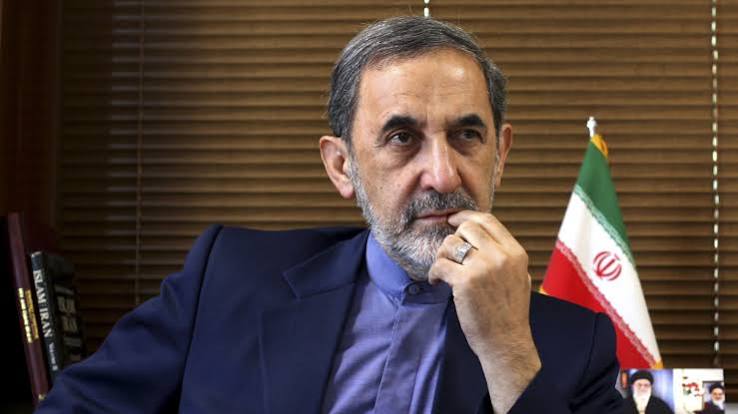
“If the United States carries out another military strike on Iran, Tehran may expand the war beyond the Middle East and into the Indian Ocean.” — Adviser to Iran’s Supreme Leader
Why the Indian Ocean Matters
The Indian Ocean is not just a body of water; it is a global economic artery. Key facts include:
- About 80% of the world’s seaborne oil trade passes through the Indian Ocean and its chokepoints, including the Strait of Hormuz, Bab el-Mandeb, and the Malacca Strait.
- Major shipping routes linking Asia, Europe, Africa, and the Middle East cross these waters daily.
- Disruptions here can quickly translate into higher fuel prices, insurance costs, and delays for goods moving between continents.
Africa should worry if Iran expands the war into the Indian Ocean because the continent depends heavily on these waters for its economic survival: about 90% of Africa’s imports and exports move by sea, much of it through the western Indian Ocean, Gulf of Aden and Red Sea, while the continent imports roughly 98% of its refined oil products, mostly from the Gulf and Asia via these same routes. Any disruption — from attacks on ships to higher war-risk insurance and longer detours around the Cape of Good Hope — quickly translates into sharper fuel prices, costlier food imports (Africa already brings in 25–30% of its cereals by ship), and higher transport and logistics costs that ripple through manufacturing, retail and exports. Recent Red Sea and Hormuz tensions have already pushed fuel prices up by more than double in some countries and raised grain and fertiliser costs, worsening inflation and hunger; a wider Indian Ocean conflict would amplify these pressures, threaten port security, encourage piracy, and force African states into difficult diplomatic choices, turning a distant maritime war into a direct cost-of-living and stability crisis for millions of Africans
Fast Facts: Understanding the Indian Ocean Threat
- Who issued the warning?: An adviser to Iran’s supreme leader, speaking on behalf of Tehran’s highest authority.
- What exactly was threatened?: Expansion of the Middle East war into the Indian Ocean if the U.S. attacks Iran again.
- Why now?: Following recent U.S.–Israeli airstrikes on Iranian territory and sweeping new sanctions on Iran’s aviation and economy.
- Who feels the impact first?: Shipping companies, insurers, and oil-importing countries in Asia, Europe, and Africa facing higher fuel and food prices.
- The Social Call-to-Action (CTA): How far might Iran go if the U.S. attacks again — and what would an Indian Ocean conflict mean for global trade, energy prices, and African economies? Share your thoughts on NTA’s digital platforms using #NTAWriters or leave a comment below.