
Compiled By: Malami Haruna Dogon daji
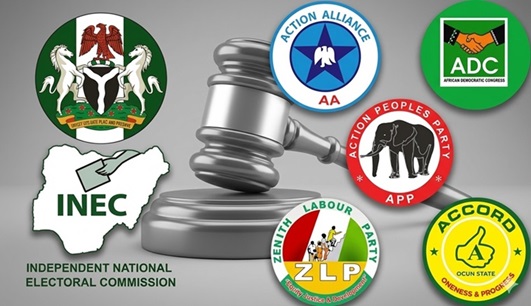
The delicate balance of multi-party democracy that Nigeria has carefully protected since the historic transition of 1999 faces an unprecedented test following a major judicial intervention in Abuja. The Federal High Court has ordered the Independent National Electoral Commission (INEC) to deregister the African Democratic Congress (ADC) and four other political parties for failing to meet constitutional performance requirements.
The Court Verdict and Its Legal Grounds
Delivering judgment on Monday, 15 June 2026, Justice Peter Lifu of the Federal High Court in Abuja ruled in favour of a suit registered as FHC/ABJ/CS/2637/2026. The legal action was brought forward by the Incorporated Trustees of the National Forum of Former Legislators (NFFL). The plaintiffs successfully argued that the targeted parties failed to achieve the mandatory electoral thresholds specified under Section 225A of the 1999 Constitution (as amended).

In a significant political development, the Attorney General of the Federation and Minister of Justice, Prince Lateef Fagbemi, SAN, threw the weight of the federal government behind the suit. The apex law officer maintained that underperforming political parties cause unnecessary ballot congestion and waste valuable public resources during national elections. Consequently, the court ordered INEC to immediately deregister the ADC, Accord Party, Zenith Labour Party (ZLP), Action Alliance (AA), and the Action Peoples Party (APP).
Opposition Defiance and Allegations of Interference
The leadership of the ADC has swiftly and completely rejected the ruling, describing it as an attempt to weaken opposition voices before the 2027 general elections. The party announced that it is already compiling its legal documents to file an immediate challenge at the Court of Appeal.

“We reject the ruling, and we are immediately going to appeal. We find it very provocative and destructive to democracy in Nigeria.” — Bolaji Abdullahi, ADC National Publicity Secretary
The political implications are magnified because the ADC is widely expected to be the platform for frontline political figures in the upcoming presidential race. Paul Ibe, spokesperson to Atiku Abubakar, the prominent political leader who secured approximately 29 percent of the national vote in the 2023 contest—condemned the verdict on social media. Writing on X, Ibe characterized the judgment as “the height of judicial rascality,” asserting that prior judicial understandings should have stayed action on the matter.
CONTEXT BOX: FAST FACTS
* The Legal Mandate: Section 225A of the Constitution empowers INEC to deregister parties that fail to win at least 25% of votes in at least one state or fail to secure any legislative seats.
* Affected Parties: ADC, Accord Party, ZLP, AA, and APP.
* 2023 Baseline: President Bola Tinubu won the presidency with 36.6% of votes, while Atiku Abubakar came second with 29% under INEC’s official results.
Precautionary Lines: Guarding Nigeria’s Democratic Future
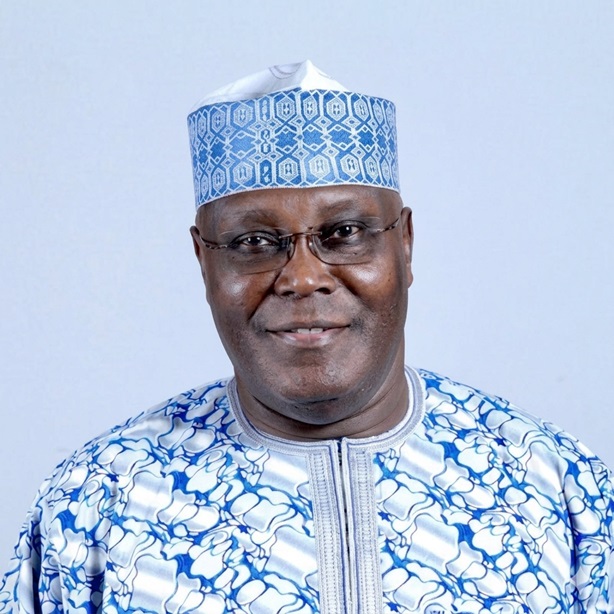
This judicial clearing of the political field raises critical questions regarding the health of Nigeria’s democratic journey since 1999. While ensuring regulatory compliance is essential for electoral order, the removal of opposition platforms creates a worrying precedent. Atiku Abubakar, a former Vice President who has run for president multiple times and came second in the 2023 presidential contest, could face severe structural hurdles if his political platform is permanently dismantled.
If the ruling stands, it risks leaving a massive geopolitical vacuum, particularly for northern representation, which could disrupt the traditional north-south power-sharing understanding. Analysts warn that a democracy without vibrant, protected opposition choices can easily slide into an effective one-party state, undermining public trust long before the 2027 polls open.
The Social Call-to-Action (CTA)
Does the deregistration of underperforming political parties sanitize our electoral system, or does it endanger the future of opposition politics in Nigeria? Share your views with us on X and Facebook using #NTANetwork and #NigeriaDecidesfor2027.