
Compiled By: Malami Haruna Dogon daji
20 OCTOBER, 2026
As press freedom faces relentless global scrutiny, a chilling escalation in Croatia has thrust the safety of media professionals into the international spotlight, reminding African and global audiences alike that the right to report facts remains perilously fragile.
The Anatomy of an Online Hate Campaign
The crisis erupted after journalists covered a fan march by the Torcida supporters of the Hajduk Split football club ahead of a match against Ajax in Split. Reporters documented slogans glorifying Nazism, including references to Adolf Hitler, Auschwitz, and Anne Frank.
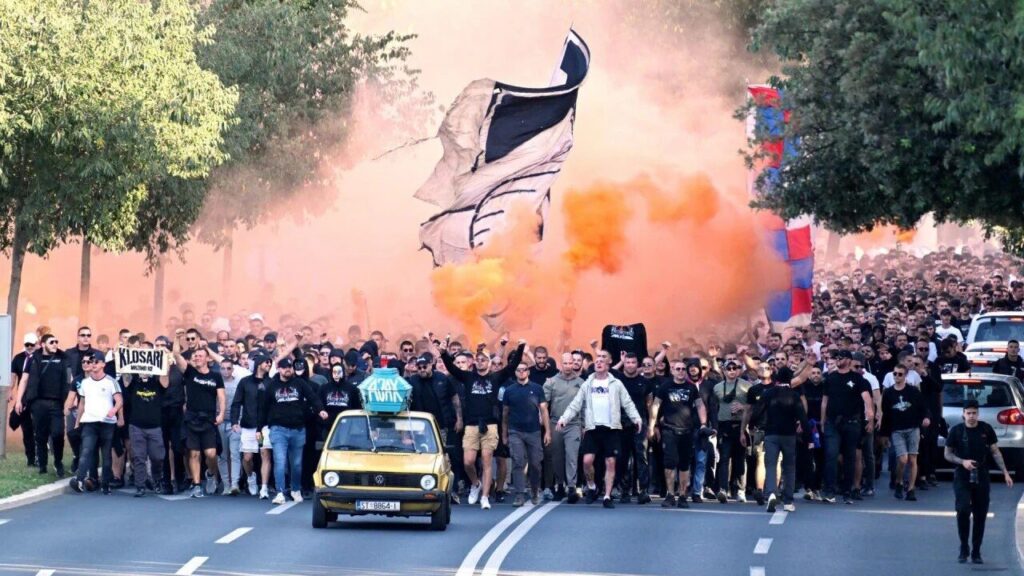
In retaliation, an online campaign targeted 11 journalists and one political analyst on October 18, falsely accusing them of working with Serbia’s Security-Information Agency. By October 19, a Facebook group linked to Torcida Split 1950 published banners labeling reporters “the greatest evil in Croatian society” alongside images of journalists hanging from trees.
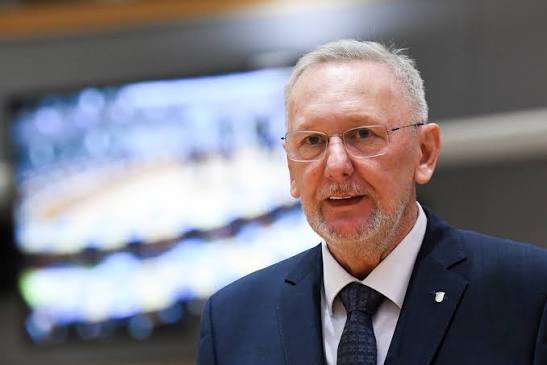
“No one has any authority to frighten or intimidate anyone in this country, especially not those doing their job.”
— Davor Božinović, Croatian Interior Minister
Fast Facts: The Scale of Intimidation
- The Trigger: Coverage of pro-Nazi and antisemitic chants by Hajduk Split fans.
- Impacted Outlets: Index.hr, Slobodna Dalmacija, Jutarnji list, Večernji list, and 24sata.
- Official Action: Croatian police launched a criminal investigation, reporting 23 people over antisemitic slogans, with 15 others sought and eight under surveillance.
- Regional Context: UNESCO records two journalist killings in Croatia since 1993, alongside prior threats such as “Death to journalists” graffiti in 2019.
Watchdogs Mobilize for Accountability
Regional and international press freedom organizations have stepped up to demand swift justice. The primary watchdog, SafeJournalists, a network spanning seven Western Balkan countries, has called for comprehensive investigations not only into direct threats but also into the digital spread of violent imagery. They are joined by the Croatian Journalists’ Association (HND), the Committee to Protect Journalists (CPJ), Reporters Without Borders (RSF), and UNESCO.
5. The Social Call-to-Action (CTA)
When journalists are targeted for reporting the truth, society loses its primary safeguard against corruption and extremism. How can African and global media ecosystems better protect digital journalists from online intimidation? Share your thoughts on NTA’s social platforms @NTANetwork