

Compiled By: Malami Haruna Dogondaji
20 OCTOBER, 2026
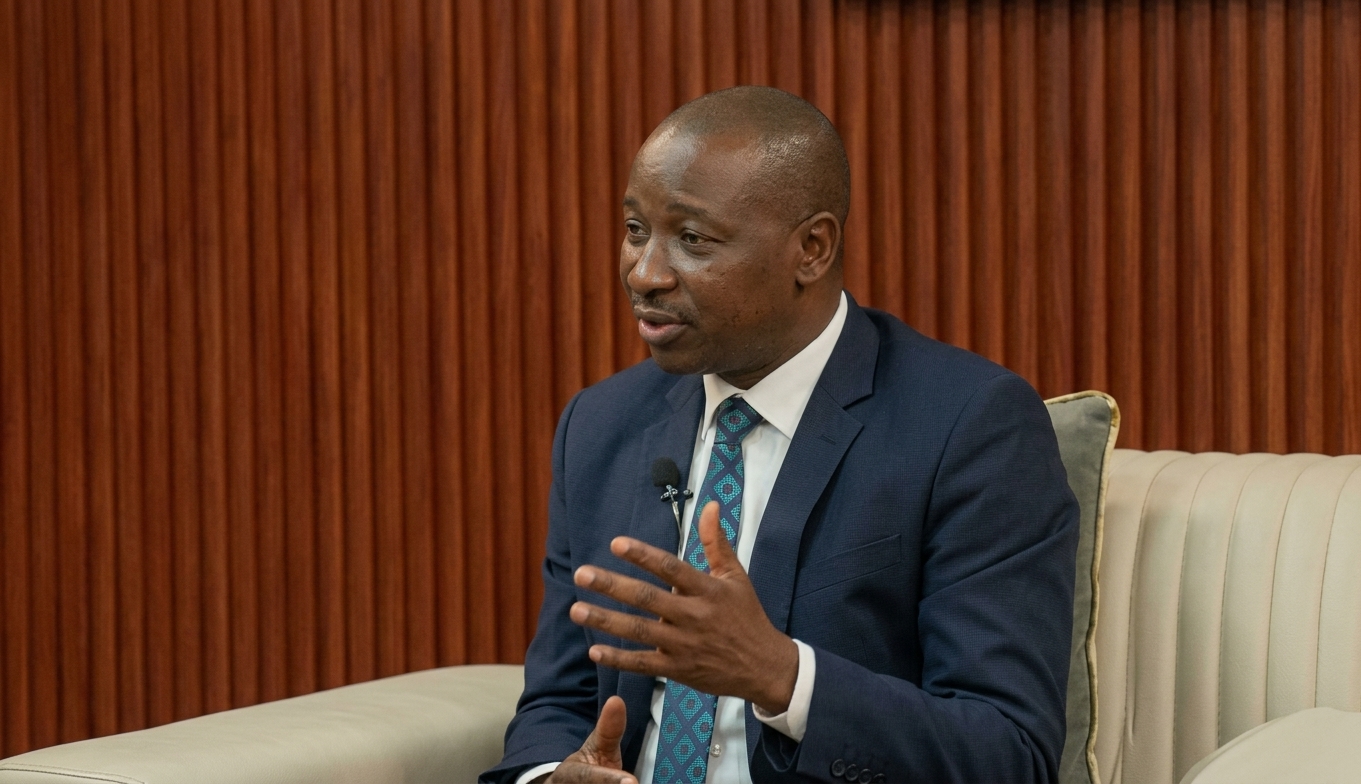
An Abuja-based economist, Dr Aliyu Ilias, has urged Nigeria’s National Bureau of Statistics (NBS) to create a national household dashboard that tracks how inflation affects the daily lives of Nigerians. His argument is simple: when inflation slows, Nigerians still need to know whether food, transport, rent, electricity and health care have become more affordable.
The proposal came during NTA’s Good Morning Nigeria programme, which focused on “Sustaining the Downward Trend in Nigeria’s Inflation Figures.” The central concern is that a lower inflation rate does not automatically mean lower prices or improved living standards.

Why the dashboard matters
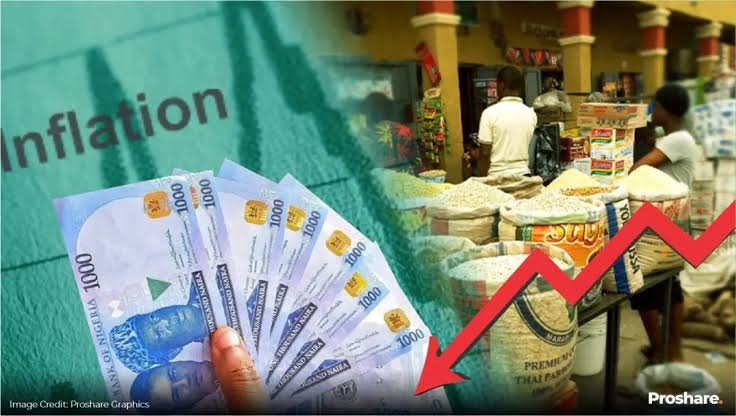
Inflation measures how quickly prices are rising. When inflation falls, prices may still be increasing—only more slowly. This is why many Nigerians can hear that inflation has improved while still struggling to buy staple foods, pay transport fares or settle electricity bills.
Nigeria’s latest official data show why the issue is important. The NBS reported that headline inflation fell to 14.63 per cent in September 2026, down from 15.39 per cent in August. However, food inflation remained high at 19.59 per cent year-on-year, while the monthly Consumer Price Index still rose slightly, from 146.30 to 146.38.
A household dashboard would translate national statistics into information people can use. It could show, for example, whether low-income families face higher food-price pressure than wealthier households, whether rural communities pay more for transport, or whether wages are keeping pace with the cost of essentials.
Who is Dr Aliyu Ilias?
Dr Aliyu Ilias is an Abuja-based economist, development analyst and public-affairs commentator. He is a frequent guest on Nigerian television and radio programmes, where he discusses inflation, GDP growth, monetary policy, household welfare, energy costs and economic reform.

According to his LinkedIn profile, he is Managing Director of Customer Service Awards Limited, also described in broadcast coverage as CSA Advisory. The profile also lists a PhD in Economics from the University of Abuja and a master’s degree in Political Economy and Development Studies from Nasarawa State University, Keffi.
Dr Ilias has built his public commentary around a recurring question: does economic growth improve the lives of ordinary households? On NTA, he has argued that positive GDP growth is encouraging, but must be assessed by its impact on the household economy.
In earlier interviews, he has warned that subsidy removal, higher electricity tariffs and aggressive revenue measures can weaken purchasing power and increase the cost of food, transport and daily living. He has also argued that monetary policy should consider growth and household welfare, not only inflation control.
What Nigeria’s data currently show
Nigeria’s inflation figures are improving, but the improvement is uneven. The NBS said September’s headline inflation rate was the lowest since October 2020 and marked the fourth consecutive month of slowing annual price growth.
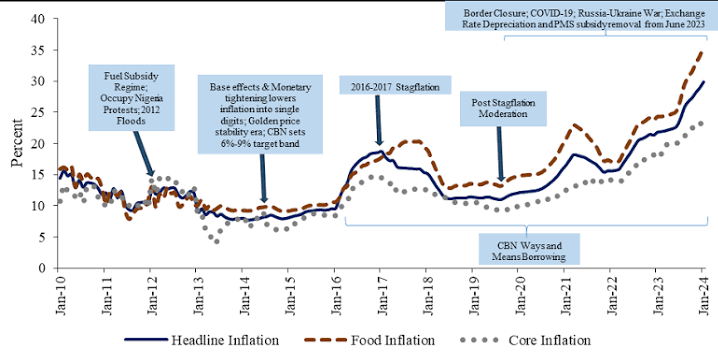
Yet food inflation remains a major burden. Food is one of the most important items in Nigerian household spending, especially for low-income families. A 19.59 per cent annual food-inflation rate means that many households may still be paying far more for basic food items than they did a year earlier.
| Key fact | Verified detail |
|---|---|
| September 2026 headline inflation | 14.63 per cent, down from 15.39 per cent in August. |
| Food inflation | 19.59 per cent year-on-year in September 2026. |
| Monthly CPI movement | CPI rose from 146.30 in August to 146.38 in September. |
| Inflation trend | Fourth consecutive month of slowing annual price growth; lowest since October 2020. |
| Core inflation | 12.95 per cent in September, down from 13.29 per cent in August. |
| NBS source | September 2026 Consumer Price Index report, released on October 15, 2026. |
| Proposed solution | A national household dashboard to track inflation’s impact on living standards. |
| UK example | The Office for National Statistics provides cost-of-living insights covering spending, energy, housing, employment, business and society. |
What a household dashboard would include
A household dashboard is not a replacement for the NBS’s official inflation report. It would be a public, regularly updated platform that makes economic data easier to understand and more relevant to daily life.
It should include:
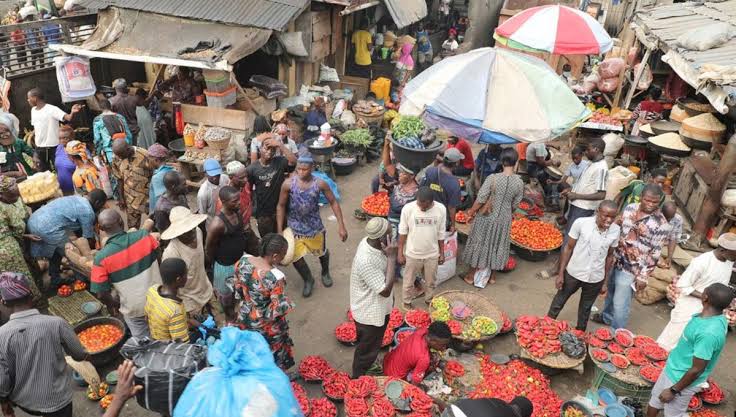
- Prices of essential goods, including food, cooking gas, transport, rent, electricity, medicine and school costs.
- Inflation experienced by different income groups, regions and household types.
- Real income trends, showing whether earnings are rising faster or slower than prices.
- Food-security and nutrition indicators.
- Access to electricity, clean cooking fuel, water, health care and transport.
- Employment, underemployment and informal-work data.
- The reach and impact of government support programmes.
The dashboard should also explain its methods clearly. Nigerians should know where the data come from, how often they are updated, what the figures mean and what limitations they have. Without transparency, a dashboard could create confusion rather than trust.
Lessons from developed economies
Developed countries use household-level data to understand who is most affected by price increases. The United Kingdom’s Office for National Statistics, for example, publishes “Cost of living insights,” a live roundup of data on spending, energy, housing, employment, business and society.
The UK also publishes Household Costs Indices, which measure price changes for different household groups rather than relying only on one national average. In the year to September 2025, overall UK household costs rose by 4.1 per cent, but costs for low-income households in the second income decile rose by 4.2 per cent, compared with 4.0 per cent for high-income households in the ninth decile.
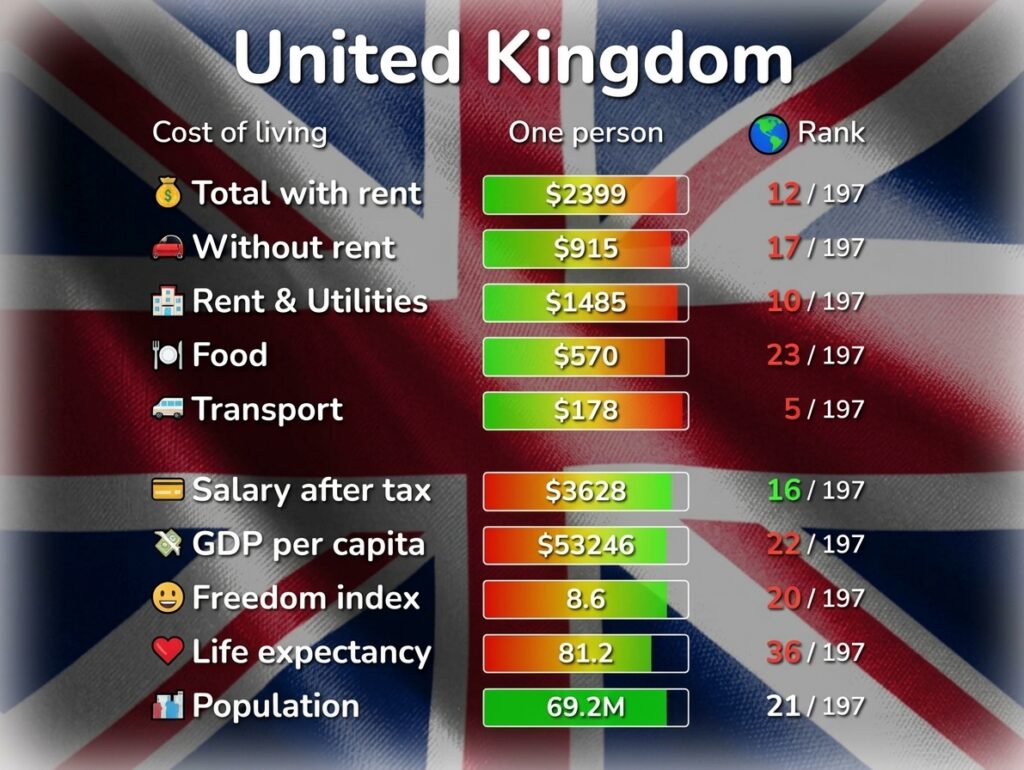
The difference may look small, but it matters. It shows that inflation does not affect every household equally. Poorer households often spend a larger share of their income on essentials, so even a slightly higher rate of cost growth can create serious hardship.
What it means for well-being
Cost-of-living pressure affects more than household budgets. When food and transport become expensive, families may reduce the quality of meals, delay medical care, withdraw children from school activities, postpone savings or borrow money to survive.
A dashboard can make these pressures visible before they become a wider social crisis. If it shows that food prices are rising fastest for low-income households, government can respond with targeted food support, transport relief, market monitoring or stronger social protection. If it shows that rural communities face higher transport costs, policymakers can invest in roads, storage, logistics and distribution.
What should not be missing
For the dashboard to work, it must go beyond a single national inflation figure.
- Income-group data: Nigeria needs to know whether poor households are suffering more than richer ones.
- State and regional breakdowns: Prices and access to services differ across the country.
- Food-price detail: Staple foods deserve close monitoring because they dominate household spending.
- Energy and transport costs: These affect production, distribution, school attendance and access to health care.
- Wages and employment: Falling inflation is not enough if incomes remain weak.
- Household experience: Surveys should ask people whether they can meet basic needs.
- Privacy protection: Any household data must be anonymized and protected.
- Mobile access: The platform should work on low-data phones and use simple charts and plain language.
The bigger takeaway
Nigeria’s declining inflation is good news, but it is not the full story. The more important question is whether the trend is improving the ability of ordinary Nigerians to eat well, travel, work, educate their children and access health care.
Dr Ilias’s proposal is therefore not simply a request for another government website. It is a call to measure economic progress through the lived experience of households. If done well, a national household dashboard could help policymakers target support, improve accountability and give Nigerians clearer evidence of whether recovery is reaching them.
Take action
Nigerians can follow NBS inflation releases, ask for clearer household-level data and support calls for transparent, accessible economic statistics. Civil-society groups, researchers, journalists and business associations can also push for dashboards that show the real cost of living by income group, state and household type.
Policymakers should ensure that any dashboard is updated regularly, protects privacy, works on mobile phones and connects data to practical action. Economic statistics should not only describe the economy—they should help improve people’s lives.