
Combined By: Malami Haruna Dogon daji
20 OCTOBER, 2026
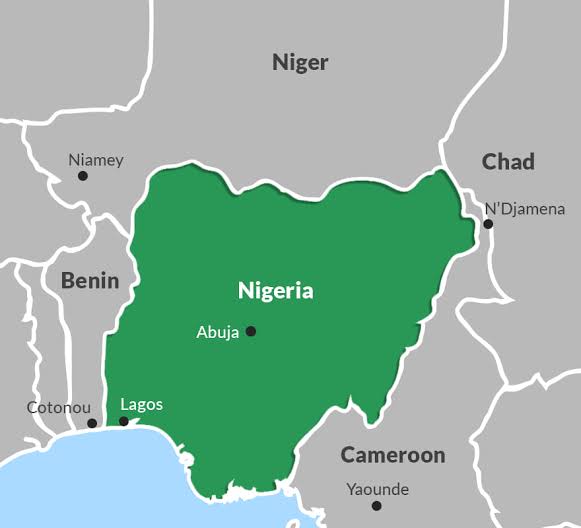
Nigeria Customs, together with the customs services of Benin Republic and Cameroon, has moved a major border-modernisation plan forward with Afreximbank. The goal is to make trade between the three countries faster, safer, cheaper and more predictable under the African Continental Free Trade Area (AfCFTA).prnigeria
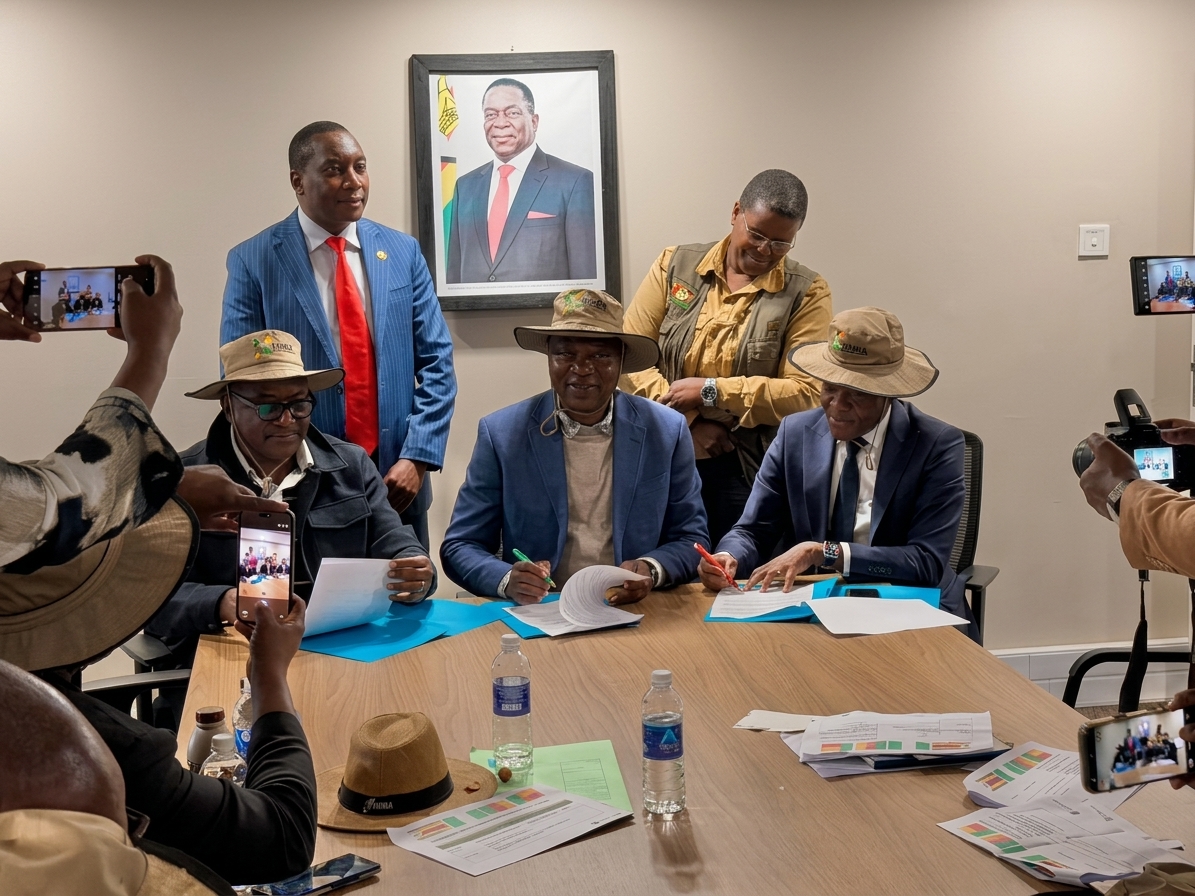
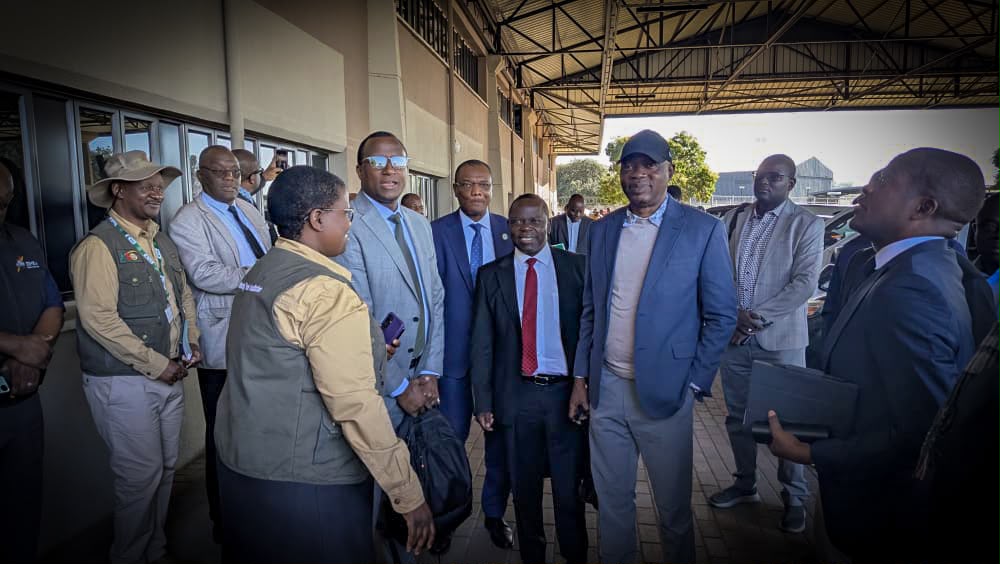
The discussions took place at Afreximbank’s headquarters in Cairo, Egypt, on October 12, 2026. They followed a study visit to Beitbridge Border Post in Zimbabwe and technical assessments of two key corridors: Sèmè–Kraké, between Nigeria and Benin, and Mfum–Ekok, between Nigeria and Cameroon.
What the plan means
A border post is not only a gate where officers check documents. It is also a place where trucks wait, goods are inspected, payments are processed, and several government agencies must work together. When electricity, scanners, internet connections, roads or procedures fail, traders lose time and money.
The proposed programme aims to fix these problems by combining:
- Digital infrastructure and secure data exchange.
- Harmonised customs procedures across the three countries.
- Investments in cargo scanners, weighbridges, access roads, electricity, telecommunications and traffic management.
- Modern border-processing facilities and stronger institutional capacity.
In simple terms, the plan seeks to turn slow, fragmented border crossings into coordinated “one-stop” trade gateways where goods can move with fewer repeated checks and less paperwork.
The digital backbone: CDES
A central part of the proposal is the Customs Declaration Exchange System (CDES). It is designed to connect Nigeria’s B’Odogwu platform, Benin’s Customs Webb and Cameroon’s CAMCIS.
Under CDES, export information created in one country could help the receiving country prepare import documents in advance. This could reduce duplicate data entry, improve cargo visibility and make cross-border transactions more predictable.
However, this does not mean one country will automatically accept another country’s decisions. Each customs administration will still validate information, apply national rules, carry out risk checks and authorise cargo clearance.
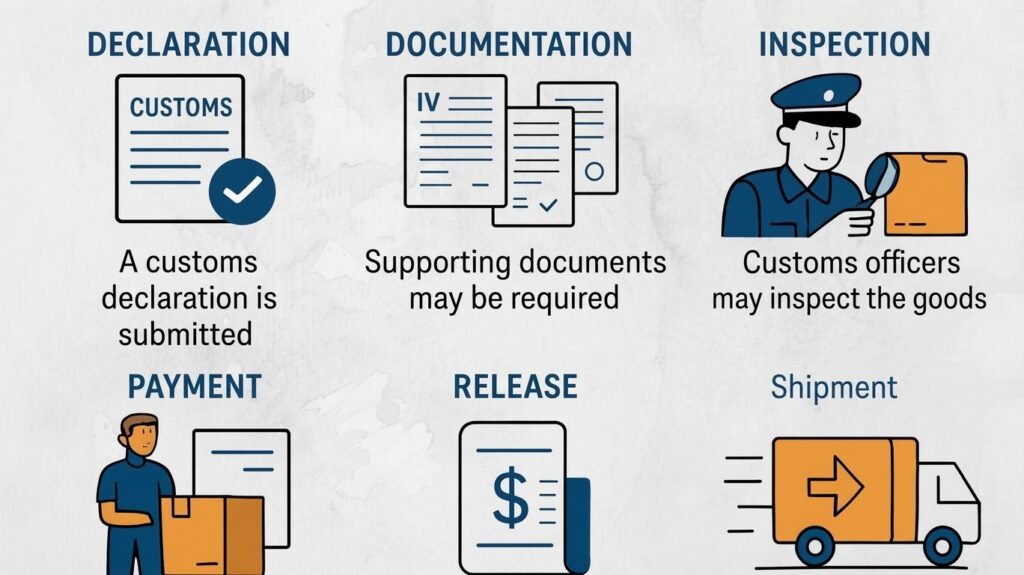
The Nigeria Customs Service said technical development and testing have started, but the system still needs country-specific configuration, API integration, security checks and pilot acceptance before it can be deployed.
Why Beitbridge matters
The three countries studied Beitbridge because it is one of Africa’s best-known examples of border modernisation. Afreximbank says modernisation at Beitbridge, supported by the bank and other partners, reduced clearance time from three to five days to a maximum of three to five hours.afreximbank.africa-newsroom
The lesson is not simply that a country needs new buildings or machines. The Cairo discussions stressed that lasting reform requires coordinated institutions, clear accountability, digital systems that can communicate, risk-based controls, pre-arrival processing, electronic payments and proper maintenance.
What was found at the two corridors
The assessments showed that both corridors need urgent operational repairs as well as long-term investment.
At Mfum–Ekok, officials identified weak electricity supply, poor connectivity, inadequate IT equipment, cybersecurity gaps, limited technical support, scanner-commissioning problems and weak coordinated single-stop processing.
At Sèmè–Kraké, the assessment found incomplete joint procedures and real-time data exchange, non-functional cargo-scanning and weighing facilities, unreliable electricity, congestion, inconsistent operating hours and unclear responsibility for maintaining shared infrastructure.
No financing deal yet
Despite the progress, no final project cost, loan commitment, borrower, financing arrangement or implementation contract has been agreed.
Afreximbank proposed a two-stage process:
- Conduct independent engineering assessments and investment-cost studies at the two border posts.
- Prepare separate bankable project packages for the Nigeria–Benin and Nigeria–Cameroon corridors.
The proposed preparation work would include transaction advisory services, legal due diligence, financial modelling and identification of suitable implementation and financing arrangements. Afreximbank also mentioned its Project Preparation Facility, while technical partners TMP and Bergmans Security Consultants and Supplies Limited expressed willingness in principle to consider financing the preparatory work.
Verified quotes
The following quotes were verified across published reports and official material.
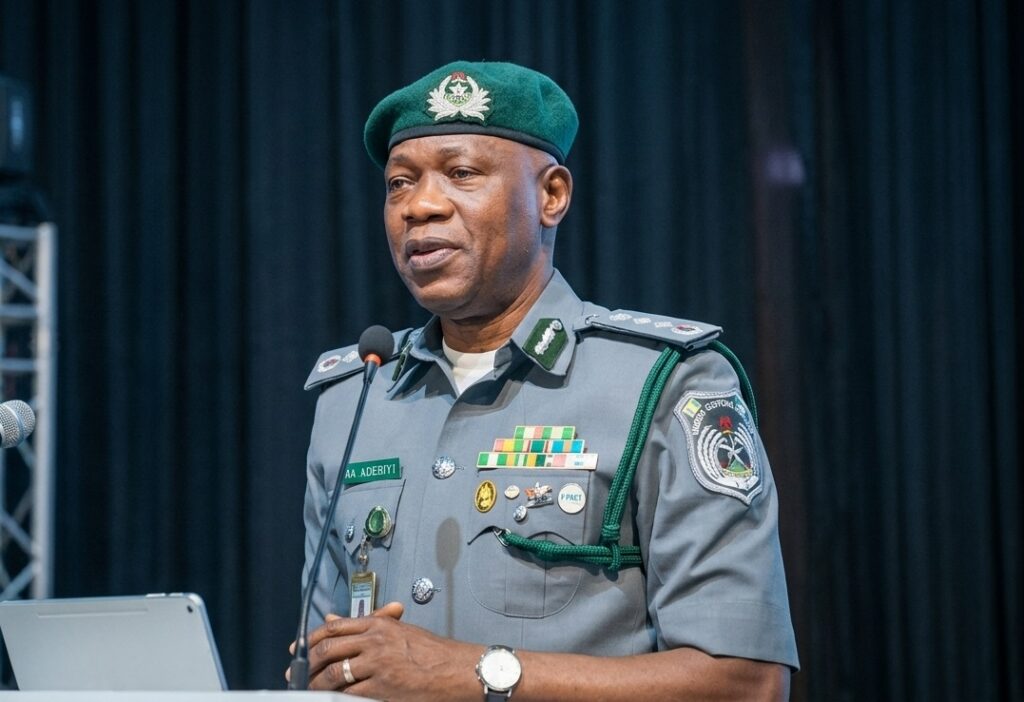
“We are building a partnership between the two sides, a partnership founded on a single conviction: that Africa’s best trading partners are within Africa itself, and our prosperity will be built on the trade we conduct within ourselves. From C-PACT to our ongoing work on trade facilitation, we are turning that conviction into practical cooperation.”
— Bashir Adewale Adeniyi, Comptroller-General, Nigeria Customs Service

“We have the resources, and you have the will. Together, we can make this partnership work for Africa.”
— Dr George Elombi, President and Chairman of the Board of Directors, Afreximbank
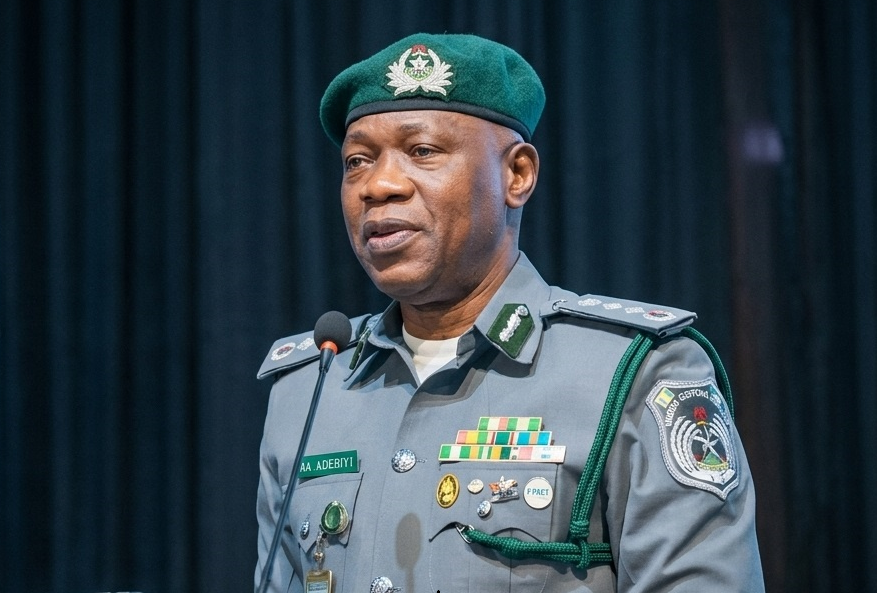
“We are indeed delighted because one of the major obstacles that we have faced in this journey of implementation of AfCFTA is the interoperability of our systems. All the Customs administrations cannot operate at the same level, but when we have interoperability, it becomes easier for us all to hook up to one system and get trade facilitation done.”
— Bashir Adewale Adeniyi, Comptroller-General, Nigeria Customs Service
Facts at a glance
| Item | Verified detail |
|---|---|
| Main parties | Nigeria Customs Service, Benin customs administration, Cameroon customs administration and Afreximbank. |
| Meeting location and date | Afreximbank headquarters, Cairo, Egypt; October 12, 2026. |
| Nigerian lead | Comptroller-General of Customs, Bashir Adewale Adeniyi. |
| Priority corridors | Sèmè–Kraké, linking Nigeria and Benin; Mfum–Ekok, linking Nigeria and Cameroon. |
| Benchmarking site | Beitbridge Border Post, Zimbabwe. |
| Key digital project | Customs Declaration Exchange System (CDES). |
| Systems to be linked | Nigeria’s B’Odogwu, Benin’s Customs Webb and Cameroon’s CAMCIS. |
| Planned investments | Scanners, weighbridges, roads, electricity, telecommunications, traffic management and modern processing facilities. |
| Financing status | No final cost, lending commitment, borrower or implementation contract has been agreed. |
| Next step | Engineering assessments, investment-cost studies and bankable project packages for both corridors. |
| Beitbridge result | Clearance time reportedly reduced from 3–5 days to a maximum of 3–5 hours after moderniZation. afreximbank. |
Why it matters
For businesses, especially small traders and logistics companies, border delays can be more damaging than tariffs. A truck that waits for days may lose perishable goods, miss delivery deadlines, pay extra fuel and storage costs, or become less competitive.
For Nigeria, Benin and Cameroon, the initiative could strengthen regional supply chains and support AfCFTA’s larger goal: increasing trade among African countries. Afreximbank has cited AUDA-NEPAD research stating that 75 percent of delays in goods movement come from trade-facilitation issues, while 25 percent come from infrastructure gaps.afreximbank.
The main takeaway is cautious but important: this is a serious, structured step toward modern borders, not yet a finished project. The real test will be whether the engineering studies produce clear costs, whether governments commit to maintenance and coordination, and whether the digital systems work securely in practice.
What readers should watch
- Whether the engineering assessments are completed and published.
- Whether Nigeria, Benin and Cameroon appoint technical focal points and follow the one-, three- and six-month roadmap.
- Whether CDES moves from testing to a secure pilot.
- Whether Afreximbank and partners convert the findings into bankable projects.
- Whether traders at Sèmè–Kraké and Mfum–Ekok experience shorter waiting times and fewer repeated checks.
Take action
If you trade across Nigeria, Benin or Cameroon, follow updates from the Nigeria Customs Service, Afreximbank and the AfCFTA Secretariat. Businesses and logistics operators can also prepare by digitizing records, understanding customs declaration requirements, and engaging relevant chambers of commerce or trade associations.
Governments, development partners and private investors should press for transparent costings, clear maintenance responsibilities and pilot results before large funds are committed. Strong borders should serve legitimate trade—not slow it down.