
Compiled By: Malami Haruna Dogon daji
21 OCTOBER, 2026
Global climate promises are too weak to meet the Paris Agreement. If every country fully delivers its current pledge, the world is still projected to warm by about 2.6°C above pre-industrial levels by 2100, far above the safer 1.5°C goal.
The warning comes from the United Nations Environment Programme’s (UNEP) Emissions Gap Report 2026: The Point of Return, released on 21 October 2026, shortly before the COP31 climate summit in November.
The Main Warning
The report says the world is now set to pass 1.5°C. The key question is no longer only whether the world can avoid crossing that line, but how high temperatures will rise, for how long, and whether they can later be brought back down.
Under current government policies, warming could reach 2.8°C this century. If countries meet all their latest national climate plans — called Nationally Determined Contributions, or NDCs — warming would still reach about 2.6°C.]
Even the most hopeful pathway in the report; full delivery of NDCs plus all net-zero pledges — would limit warming only to about 2.1°C, still above the Paris Agreement’s goals.
Why This Meeting Matters
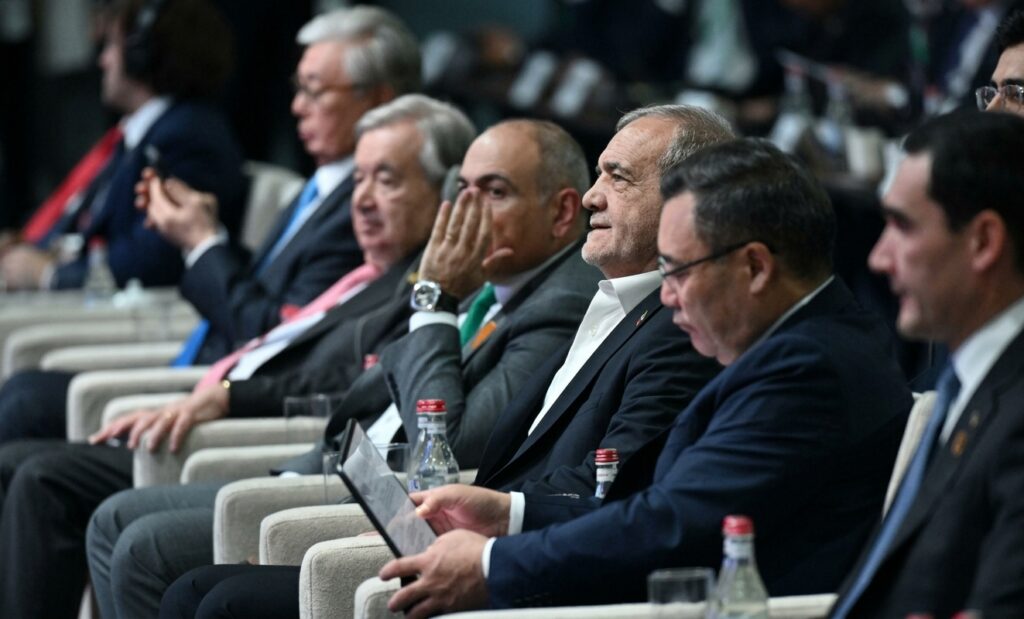
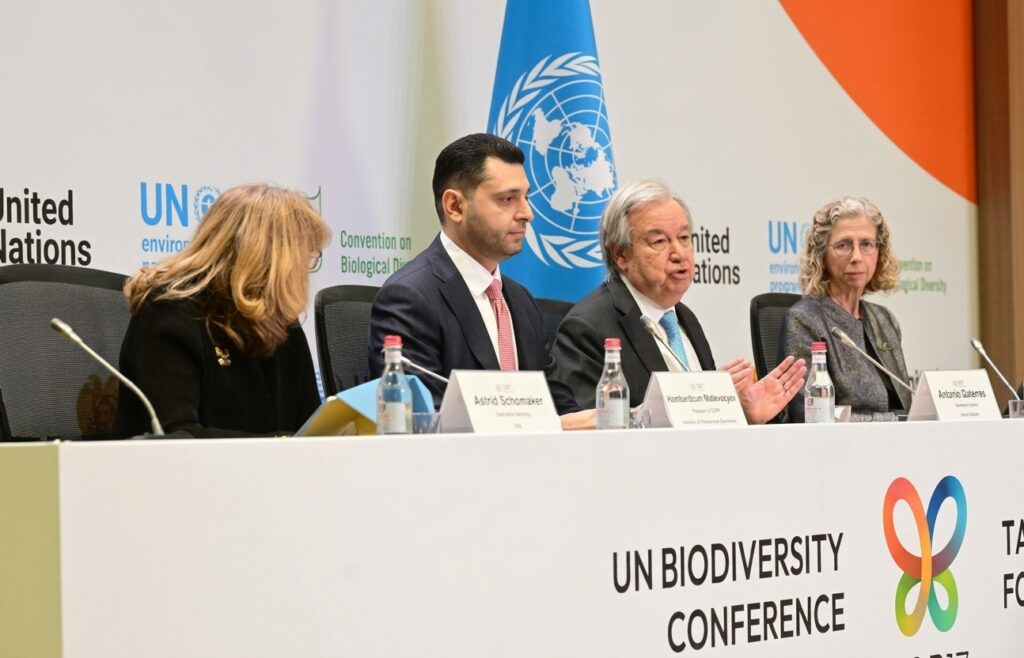
Meetings such as COP31 matter because they force governments to compare promises with real results, identify what is failing, and agree on stronger rules, finance and timelines. The United Nations describes its 2026 Climate Summit as a call for countries and partners to turn commitments into faster, stronger action.
The UNEP report argues that the gap can still be closed because some climate policies have already reduced emissions. It points to more than 220 policy evaluations showing that electricity-sector policies cut emissions by an average of 9%, while carbon taxes and cap-and-trade systems reduced emissions by 5–13% across sectors.
In simple terms: raising the alarm does not stop climate change by itself. But it creates political pressure, exposes the gap between words and action, and helps governments agree on the policies, money and deadlines needed to cut emissions faster.
What Must Happen — and by When
To follow the report’s “lowest possible” 1.5°C overshoot pathway, global greenhouse-gas emissions must fall sharply compared with 2025 levels.
| Deadline | Required global emissions cut | What it means |
|---|---|---|
| By 2030 | 18% below 2025 levels | Governments must strengthen national climate plans and speed up clean energy, efficiency and fossil-fuel reductions. [UNEP] |
| By 2035 | 45% below 2025 levels | Countries must move beyond pledges and deliver deep cuts across power, transport, industry, buildings and farming. [UNEP] |
| By 2040 | 69% below 2025 levels | The world must be close to a fundamentally cleaner energy system, with coal largely phased out. [UNEP] |
The report says this requires an average annual emissions reduction of 5.7% between 2025 and 2035.
Who Must Act
| Actor | Required action | Time frame | Measurable result |
|---|---|---|---|
| National governments | Deliver and strengthen NDCs; adopt policies that cut emissions in energy, transport, industry and land use | Now through 2030, 2035 and 2040 | Emissions down 18% by 2030, 45% by 2035 and 69% by 2040 from 2025 levels. [UNEP] |
| Energy ministries and regulators | Expand renewable power, improve energy efficiency and reduce fossil-fuel dependence | By 2030; extended goals to 2035 and 2040 | Triple renewable capacity by 2030; by 2035, renewable electricity capacity at least triples again and energy intensity falls at least 30% from 2025 levels. [UNEP] |
| Coal, oil and gas producers and policymakers | Shift energy systems away from fossil fuels | By 2035 and 2040 | By 2035, coal’s share of energy supply falls at least 55%, oil 15% and gas 5%; by 2040, cuts reach 75%, 30% and 35% respectively. [UNEP] |
| Power-sector decision-makers | Phase down coal electricity | By 2035 and 2040 | Coal power generation falls at least 75% by 2035 and is effectively phased out globally by 2040. [UNEP] |
| Governments, industry and farmers | Cut methane and other non-CO2 emissions; stop forest loss | By 2035 and 2040 | Methane emissions fall at least 25% by 2035 and at least 40% by 2040 from 2025 levels. [UNEP] |
| COP31 negotiators | Reaffirm Global Stocktake goals, extend targets to 2035 and 2040, and make them clearer and more measurable | At COP31 in November 2026 | Stronger, quantified global targets and national plans that can close the emissions gap. [UNEP] |
The Cost of Delay
The report gives a clear measure of delay: every five years of carbon-dioxide emissions at today’s levels pushes peak warming up by about 0.1°C.
It also says that returning to 1.5°C by 2100 would require removing and permanently storing about 320 gigatonnes of CO2 — roughly eight years of global CO2 emissions in 2024. That is technically possible in theory, but the report warns that economic, social and technological barriers make it uncertain.
Verified Quotes
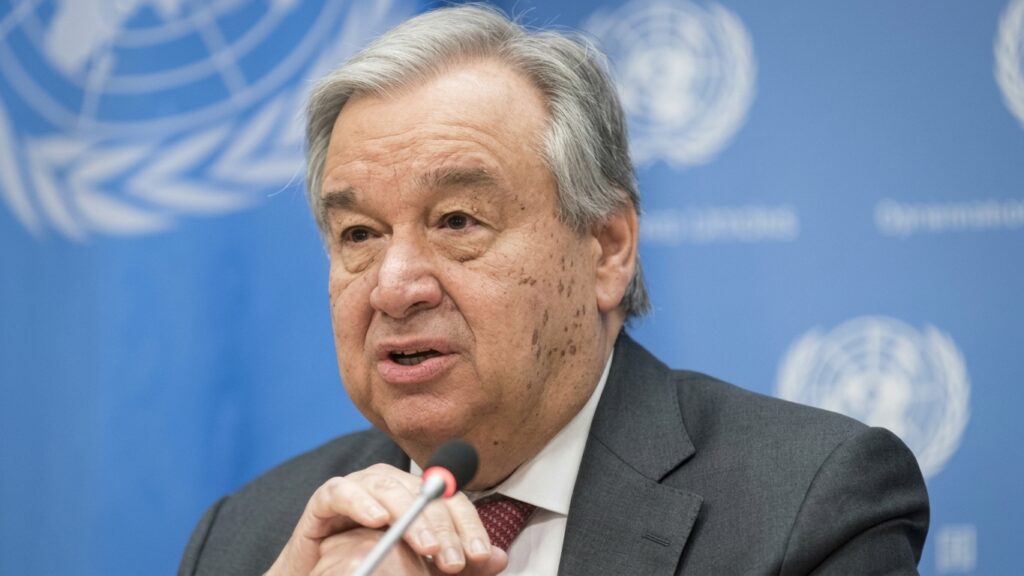
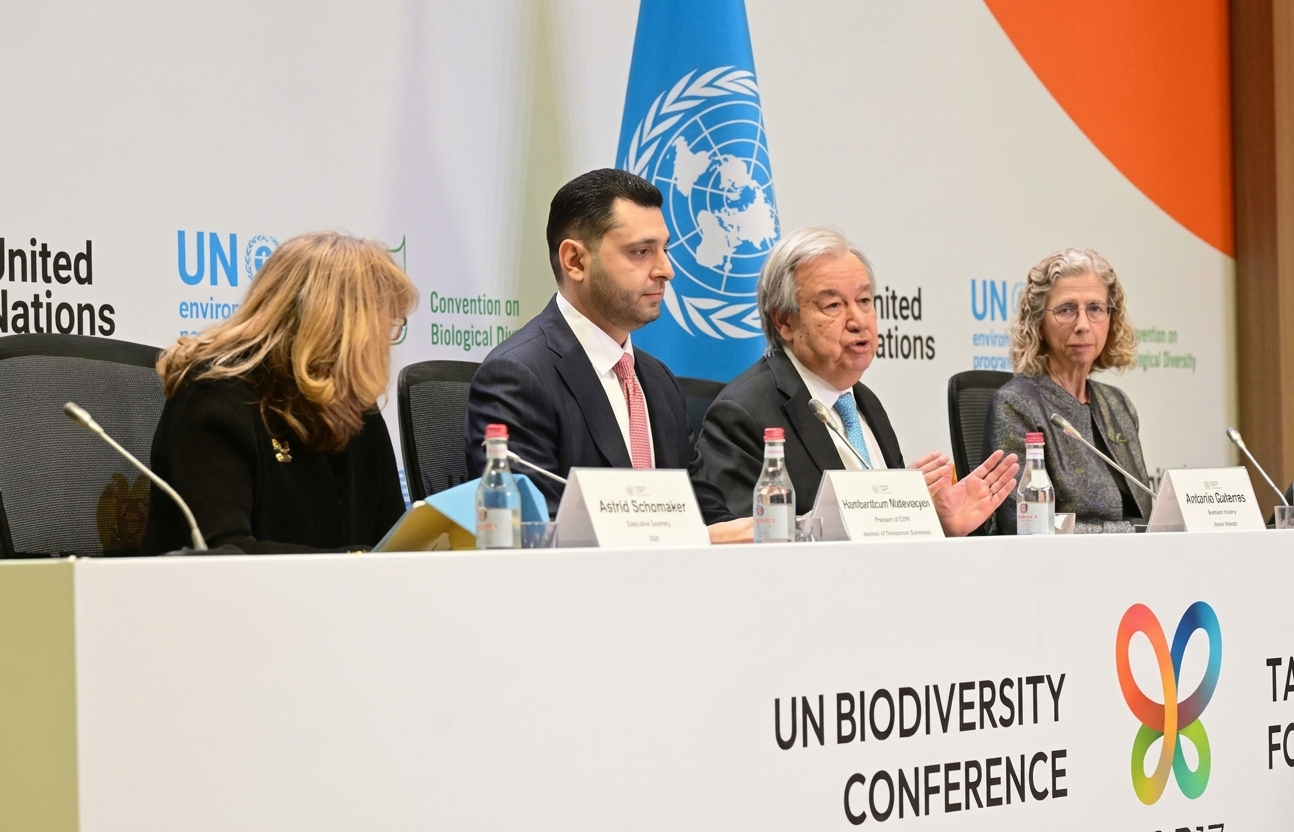
“Overshoot is not surrender. We can still keep it as small and as short as possible – and bring temperatures back below 1.5 degrees by the end of the century.” — UN Secretary-General António Guterres
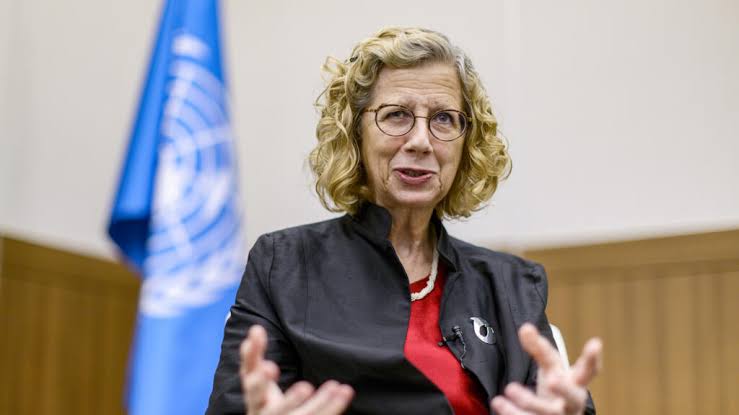
“Every additional fraction of a degree and additional year of warming above 1.5°C increases climate impacts and risks, such as the deadly floods, heatwaves and wildfires that have plagued many nations this year.” — Inger Andersen, Executive Director, UNEP
“We have a wealth of success stories showing that emissions can be cut quickly. It is now up to nations to urgently put in place policies that spark fast, deep and sustained emissions reductions.” — Inger Andersen, Executive Director, UNEP.
What the Numbers Show
| Measure | Current path | Required path |
|---|---|---|
| Warming under current policies | 2.8°C by 2100 | Not compatible with Paris goals. [UNEP] |
| Warming if all NDCs are delivered | 2.6°C by 2100 | Still above Paris goals. [UNEP] |
| Warming if NDCs and net-zero pledges are met | 2.1°C | Still above Paris goals. [UNEP] |
| Emissions cut delivered by current NDCs by 2030 | 5–8% below 2025 | 18% below 2025 needed. [UNEP] |
| Emissions cut delivered by current NDCs by 2035 | 11–15% below 2025 | 45% below 2025 needed. [UNEP] |
| Chance of returning to 1.5°C by 2100 on the lowest-overshoot pathway | About 50% | Requires immediate, deep and sustained cuts. [UNEP] |
Why There Is Still Hope
The report does not say action is useless. Since the Paris Agreement was adopted, renewable energy has grown rapidly; solar power build-out has increased seven times faster than expected, and renewable electricity capacity has grown three times faster than predicted.
That progress shows that fast change is possible. But UNEP says these successes must now be copied, expanded and sustained across more countries and sectors.

Call to Action
The world cannot afford another cycle of promises without delivery. Governments attending COP31 must turn the 18%, 45% and 69% emissions-reduction targets into national laws, budgets, clean-energy projects and enforceable deadlines.
Ask your government, employer, bank, city and energy provider three questions: What emissions will you cut by 2030? How will you measure it? Who is accountable if the target is missed?
The point of return is narrowing, but it has not disappeared. The next five years will decide how severe the overshoot becomes — and whether the world can still bring temperatures back toward 1.5°C by the end of the century.