
Compiled By: Malami Haruna Dogon daji
21 OCTOBER, 2026
The death toll from a drone strike on Amiet Market in the disputed Abyei region has risen to 153, with officials warning that the number may increase because some victims were burned beyond recognition. The Abyei administration says the Sudanese army carried out Monday’s attack.
Abyei lies on the border between Sudan and South Sudan and is claimed by both countries. The strike hit a crowded market and nearby fuel depots, causing fires that continued after the attack.
What Happened
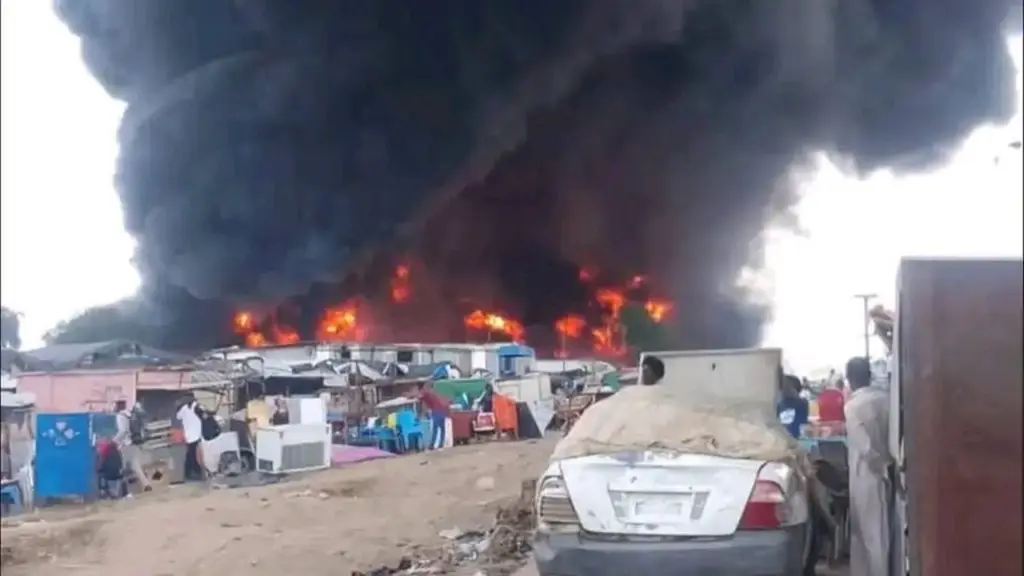
The strike took place on Monday, 19 October 2026, at Amiet Market, about 10 kilometres north of Abyei town. Local officials said several munitions were used and that the attack struck both the market and surrounding areas.
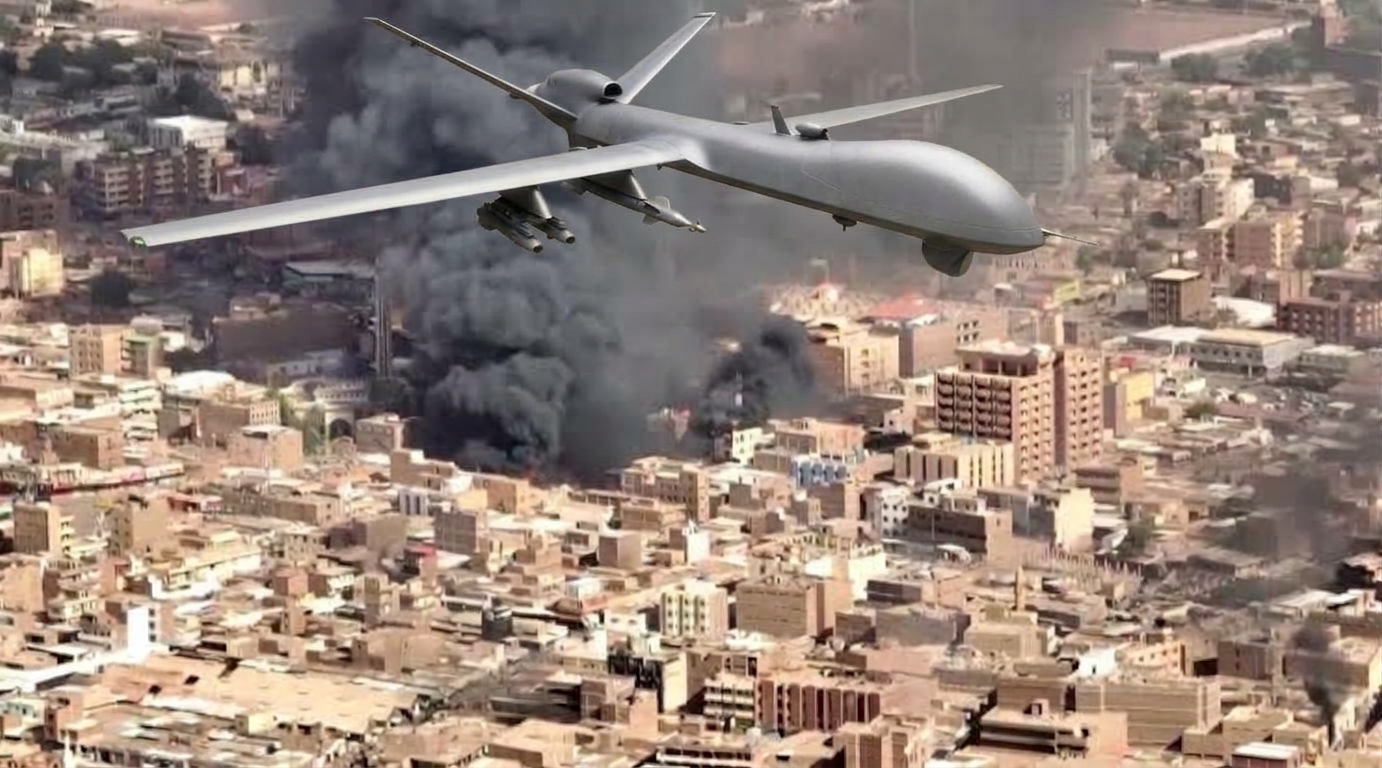
Images shared with AFP showed destroyed buildings and vehicles. Witnesses described drones flying over the market before bombs hit, followed by fires in shops and fuel depots.
The Sudanese army has said its drones targeted fuel tankers arriving from South Sudan, which it claimed were intended for the paramilitary Rapid Support Forces (RSF). The army has not publicly accepted responsibility for civilian deaths.
Rising Death Toll
Abyei’s interim information minister, Yohana Akol, told AFP on Wednesday 21 October 2026 that; rescuers had recorded 153 deaths. He said the toll could rise because rescue teams were still searching the burned market area.
The figure rose sharply from an initial count of 73 on Monday. At least 19 injured people were hospitalized, with more casualties expected to arrive.
Fact Table
| Fact | Detail |
|---|---|
| Location | Amiet Market, Abyei Special Administrative Area, near the Sudan–South Sudan border. |
| Date and time | Monday, 19 October 2026, at about 11:30 local time. |
| Confirmed death toll | At least 153 people, according to Abyei authorities. |
| Earlier toll | 73 deaths were first reported before the count rose. |
| Injured | At least 19 people hospitalized; more casualties expected. |
| Cause of fire | The strike hit fuel depots and market premises, sparking fires. |
| Victims’ nationalities | Sudanese, South Sudanese, Ethiopians and Somalis were among the dead. |
| Accused party | Sudanese Armed Forces, according to Abyei authorities. |
| Sudanese army claim | It said it targeted fuel tankers allegedly supplying the RSF. |
| Wider context | Sudan’s war between the army and RSF began in April 2023 and has increasingly spread across borders. |
Verified Quotes
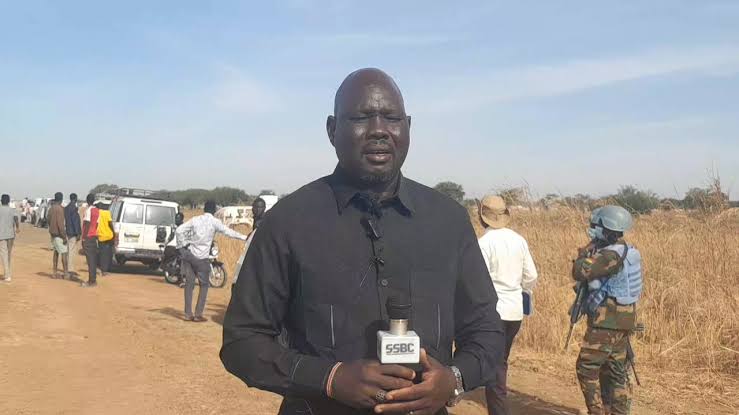
“The number of casualties is 153 and it may increase any time from now because some victims burned to ashes and the rescuers are doing their best to gather all the bodies in Amiet Market.” — Yohana Akol, interim information minister for the Abyei Special Administrative Area
“A swarm of drones was hovering over the Amiet Market and they bombed part of the market and surroundings and there were so many casualties.” — Unnamed witness, speaking to AFP for security reasons
“Some of business places are still on fire and there were people burned beyond recognition inside.” — Unnamed witness, speaking to AFP
Who Must Act
| Actor | Required action | Expected result |
|---|---|---|
| Sudanese Armed Forces | Stop attacks on markets, civilians and civilian fuel infrastructure; allow independent investigation. | Fewer civilian deaths and accountability for unlawful attacks. |
| Abyei authorities | Continue rescue, identification and medical support; publish verified casualty updates. | Accurate records and urgent care for survivors. |
| South Sudan government | Maintain diplomatic pressure and protect displaced people crossing the border. | Stronger protection for civilians in border communities. |
| United Nations and African Union | Investigate the attack, document violations and support humanitarian access. | Independent evidence, humanitarian aid and pressure for restraint. |
| International donors | Fund emergency medical care, shelter, food and trauma support. | Survival and recovery support for affected families. |
| Conflict parties | Agree immediately on protection of civilians and de-escalation in border areas. | Reduced risk of further cross-border attacks. |
Why Abyei Is Dangerous
Abyei has long been one of Africa’s most sensitive border areas. Sudan and South Sudan both claim the territory, and South Sudan became independent from Sudan in 2011 after decades of conflict.
Parts of Abyei are controlled by a faction of the Sudan People’s Liberation Movement-North (SPLM-N). The area’s disputed status, armed groups and proximity to Sudan’s war have made civilians especially exposed to violence.
International Reaction
South Sudan’s foreign ministry said it summoned the Sudanese ambassador and condemned the attack “in the strongest terms possible.”

The United Nations also condemned the strikes, warning that the growing use of drones was part of a “deeply concerning pattern.”
Call to Action
Civilians in Abyei need protection now — not another investigation that arrives after more lives are lost. Sudanese forces, armed groups and regional mediators must immediately avoid markets, fuel depots, hospitals, homes and other civilian areas.
Support humanitarian organizations working in Sudan and South Sudan, demand independent investigation of the Abyei strike, and call on African and United Nations leaders to make civilian protection a non-negotiable condition in peace talks.