
Compile By: Malami Haruna Dogon daji
21 OCTOBER, 2026
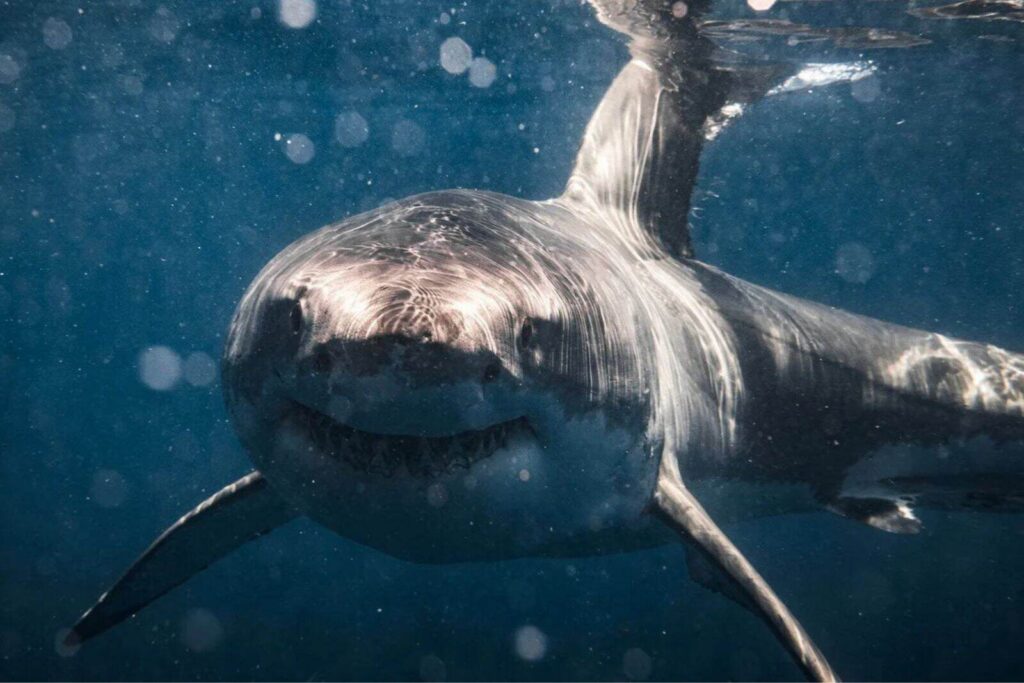
A dusky shark that became a national sensation after being trapped in a Busan canal for more than a month has been guided back toward the open sea. South Korea’s Oceans Ministry said the shark, nicknamed Bukhangi, left the waterway on Wednesday after a third rescue attempt.
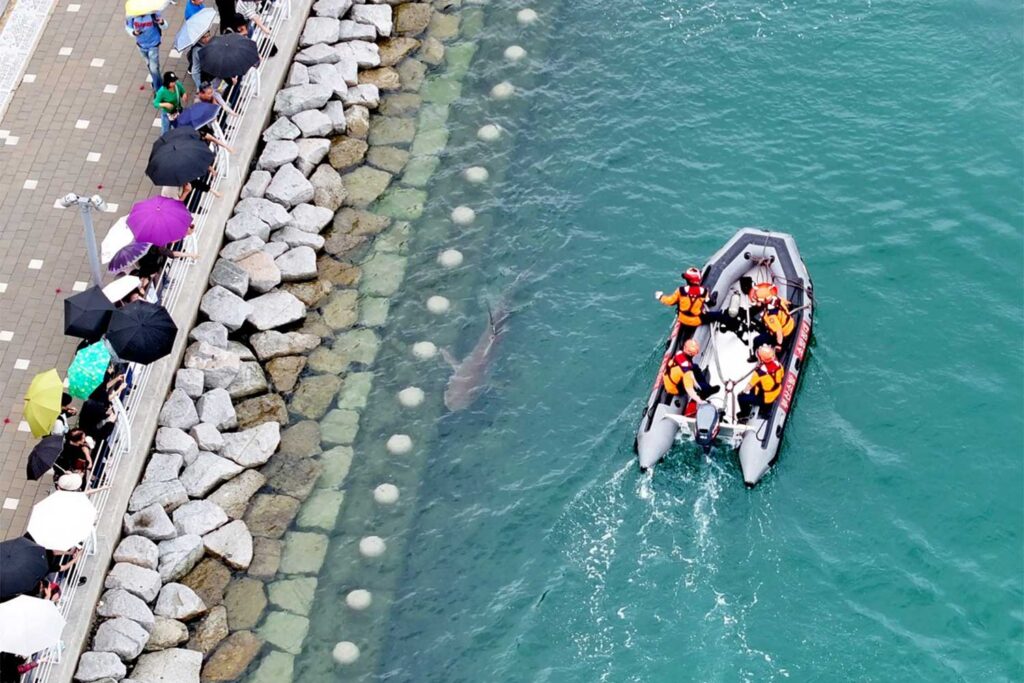
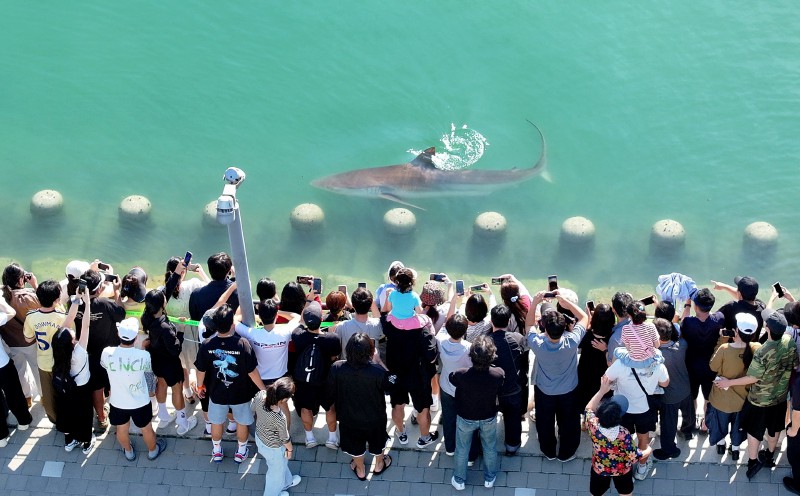
The shark was first seen in the artificial canal at Busan’s North Port on 18 September. It drew huge crowds and more than one million visitors, while rescuers warned that falling water temperatures could threaten its survival.
What Happened
The shark is a female dusky shark, about 3 metres (9.8 feet) long. It was nicknamed Bukhangi after the Korean name for Busan’s North Port.
Authorities first tried to guide it out using vessels with water jets. When that failed, they used a large 50-metre net, but stopped the operation because of the risk that the net could catch on rocks.
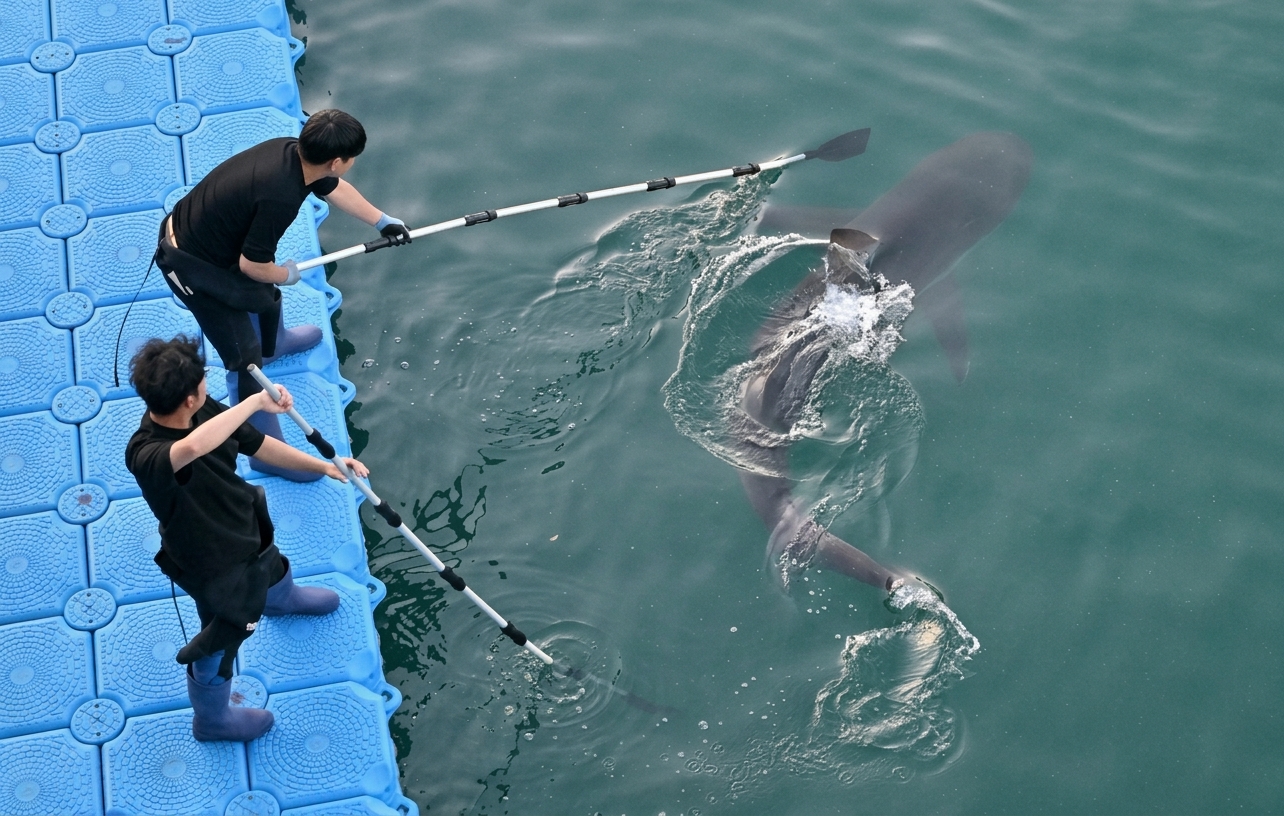
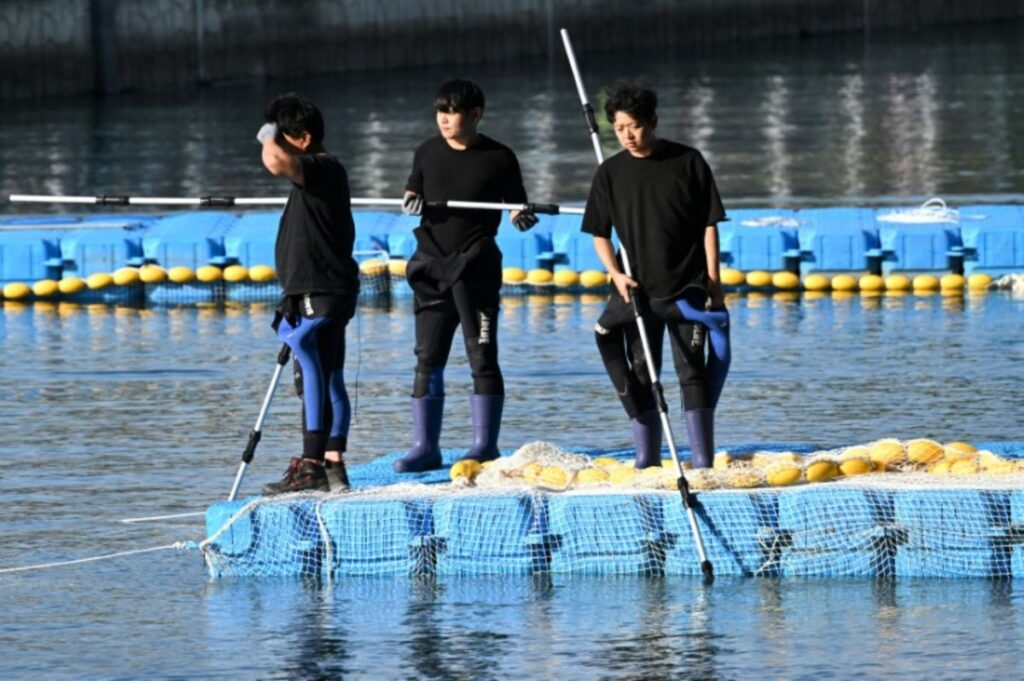
On Wednesday, a joint team from Busan city, the Coast Guard, the Oceans Ministry and marine experts began a third operation at about 10 a.m. They used a net attached to floating pontoons, divers and water jets to guide the shark toward the canal exit.
The Rescue Result
By Wednesday evening, the Oceans Ministry told AFP that “the shark has left the waterway.”
Reuters reported that the ministry confirmed Bukhangi had been successfully guided into the open sea after two failed attempts. However, the Independent reported that the shark remained near the mouth of the canal rather than swimming far out immediately, so authorities were still monitoring its movement.
Why the Rescue Mattered
The operation was urgent because water temperatures in the canal were expected to fall sharply from Thursday. Experts warned that the shark might have only about two weeks to survive if it stayed trapped.
Dusky sharks are classified as endangered by the International Union for Conservation of Nature, making the rescue important not only as a public spectacle but also for conservation.
Fact Table
| Fact | Detail |
|---|---|
| Animal | Female dusky shark, about 3 metres long. |
| Nickname | Bukhangi, named after Busan’s North Port. |
| Location | Artificial canal at Busan’s North Port, southeastern South Korea. |
| First seen | 18 September 2026. |
| Time trapped | More than one month. |
| Visitors | More than one million people came to see the shark. |
| Rescue attempts | Three: water jets, a large net, then pontoons with nets, divers and water jets. |
| Final operation | Began around 10 a.m. on Wednesday, 21 October 2026. |
| Outcome | Authorities said the shark left the canal and returned toward the open sea. |
| Main risk | Falling canal water temperatures, with experts warning of a possible two-week survival window. |
Verified Quotes

“The shark has left the waterway.” — Spokesperson, South Korea’s Oceans Ministry, speaking to AFP
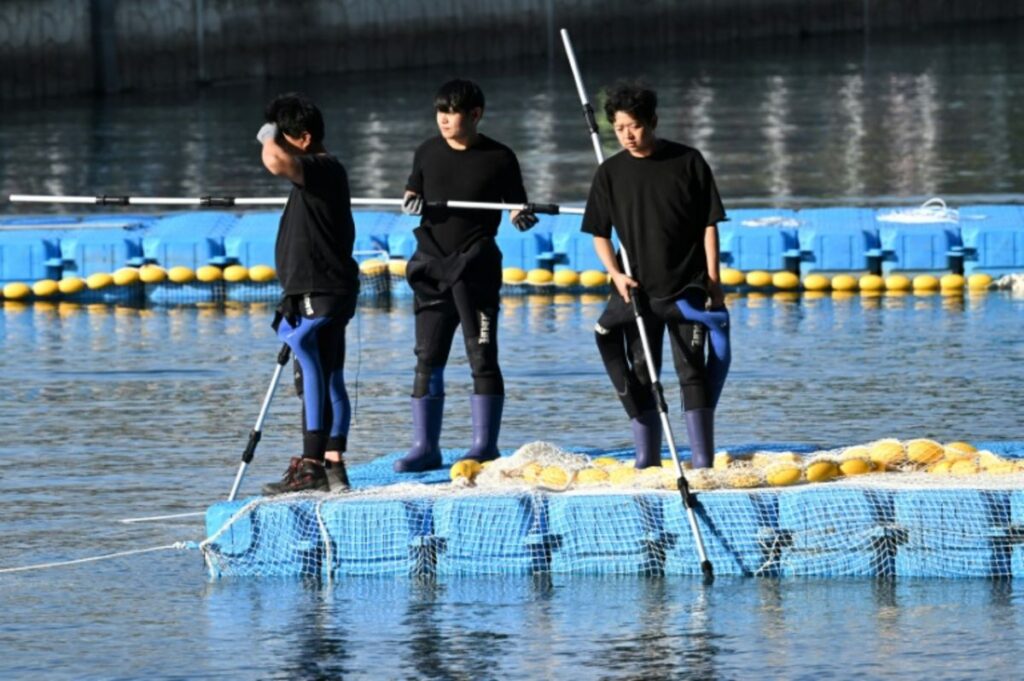
“The operation began at 10 am this morning, and we are not entirely sure when it’s going to end — given our previous attempts were not successful.” — Oceans Ministry official, speaking to AFP before the rescue succeeded

“Once we confirm that it has completely left the canal and made its way out into the open sea, we can consider the operation a success.” — Rescue official, quoted by AFP in an earlier report
Who Did What
| Actor | Action | Result |
|---|---|---|
| Busan Metropolitan Government | Coordinated the rescue and monitored the canal. | Helped organise the third attempt. |
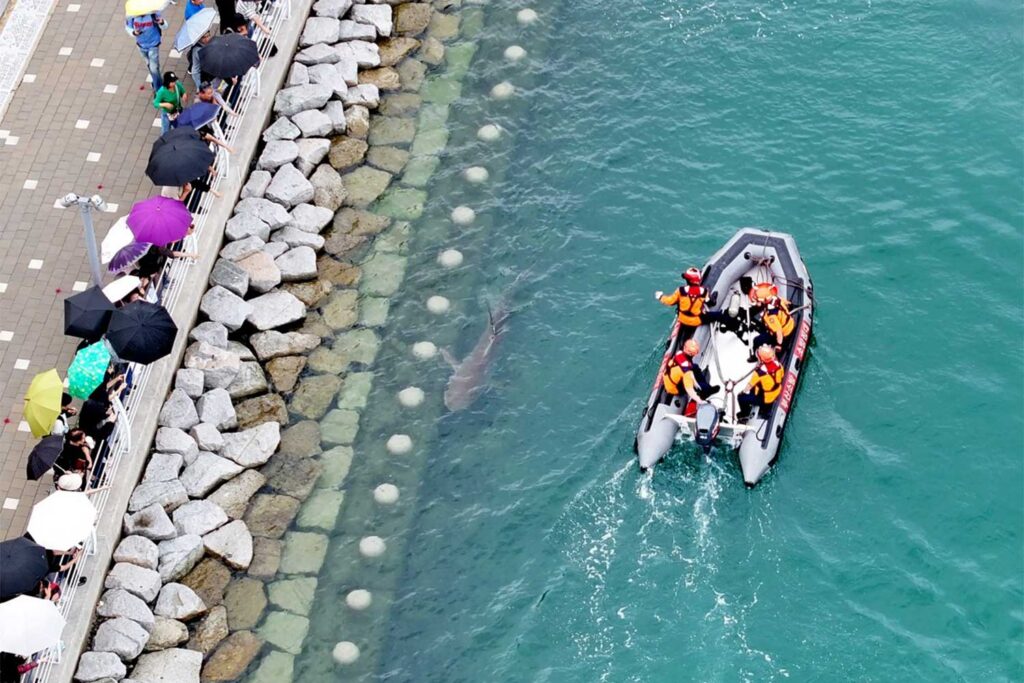
| South Korea Coast Guard | Scanned the water from shore and a makeshift bridge; supported the operation. | Helped guide and monitor the shark. |
| Oceans Ministry and marine experts | Planned and led the rescue; used pontoons, nets and divers. | Guided Bukhangi out of the canal. |
| National Marine Biodiversity Institute of Korea | Provided specialist support. | Helped assess and protect the shark. |
| Public and visitors | Watched from the canal banks; the rescue was also live-streamed. | Turned the shark into a major public and online sensation. |
Why It Captured the Country
Bukhangi became more than a stranded animal. Crowds gathered along the canal, the rescue was broadcast online, and the story spread widely across South Korean social media.
The case also raised questions about how wildlife responds to changing oceans and coastal environments. Climate activists linked the shark’s unusual appearance in the canal to climate change, although authorities did not confirm a direct cause.
Call to Action
Bukhangi’s rescue shows that quick coordination between government agencies, scientists and local communities can save wildlife. But the best outcome is prevention: healthier coastal ecosystems, safer shipping and port practices, and stronger protection for endangered marine species.
If you see a stranded or trapped marine animal, do not try to move it yourself. Contact local wildlife authorities, the coast guard or a marine rescue service immediately, keep a safe distance, and avoid crowding or making noise that could stress the animal.