
Nigeria is moving closer to allowing state governments to establish their own police forces after 32 State Houses of Assembly approved a proposed constitutional amendment seeking to introduce state police in the country.
Senate Leader, Senator Opeyemi Bamidele, disclosed the development on Sunday, November 15, 2026, saying the National Assembly had received enough state approvals to move the process forward.
He said the National Assembly was preparing to send the State Police Bill to President Bola Tinubu this week, while four remaining state assemblies were expected to submit their reports by Tuesday, November 17.
Under Section 9(2) of the 1999 Constitution, at least 24 out of Nigeria’s 36 State Houses of Assembly must approve a constitutional amendment of this nature. With 32 states already approving the proposal, the required number has been exceeded.
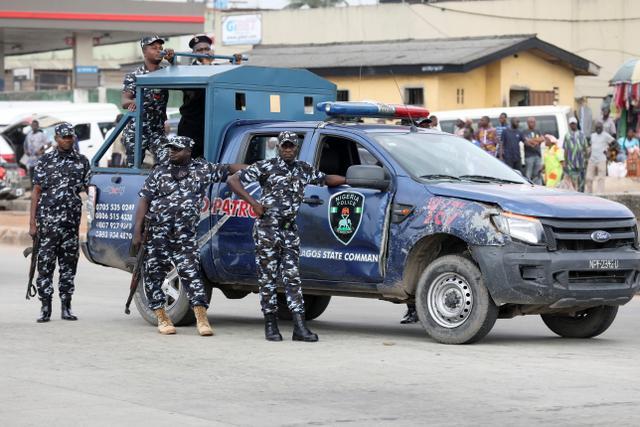
The development could change how policing works in Nigeria, where the police are currently organised mainly under the Federal Government.
What Does the State Police Bill Mean?
Simply put, state police would allow individual state governments to establish and manage their own police services to handle security matters within their states.
At present, Nigeria operates mainly with one central police structure, known as the Nigeria Police Force. Although police officers are posted to different states, their command and control remain under the Federal Government.
If the proposed amendment becomes law, Nigeria would have both a Federal Police Service and State Police Services.
This means a state such as Lagos, Kano, Rivers or Kaduna could have its own police officers responsible for dealing with local security issues.
The Federal Police Service would also continue operating across the country, handling national security matters, crimes involving different states, terrorism and other major offences.
The Federal Police Service would also retain responsibility for policing the Federal Capital Territory, Abuja.
However, states would not automatically begin operating their own police forces once the amendment is completed. Each state would first need to pass its own law establishing a police service and meet the national standards set for the new system.
How Will State Police Work?
Under the proposed arrangement, state governors would have a role in appointing the heads of their respective police services, subject to recommendations and confirmation by the relevant authorities.
State police officers would be responsible for maintaining public safety, preventing crime, protecting lives and property and responding to security problems within their states.
For example, a state experiencing frequent kidnappings or attacks on rural communities could organise its police operations around those local security challenges.
The idea is to bring policing closer to the people and make it easier for security agencies to understand and respond to problems in their communities.
However, the Federal Police Service would remain in place and continue to handle matters that affect the country as a whole.
What is Next?
The bill has not yet become law, but the approval by 32 states is a major step towards its passage. The remaining four states are expected to submit their reports by November 17, as the National Assembly prepares to move forward with the process. Further legislative steps and the passage of laws outlining how the new police services will operate are still required before state police can become a reality in Nigeria.