
Compiled By: Malami Haruna Dogon daji
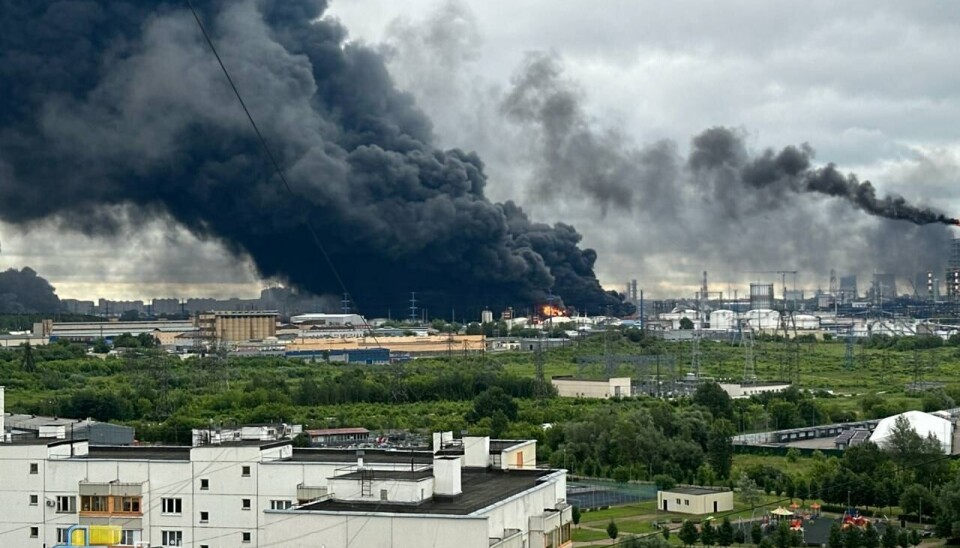
The ongoing conflict between Russia and Ukraine has escalated significantly deep within Russian territory, sending geopolitical shockwaves across the global energy market and policy rooms. Ukrainian forces launched one of their largest drone assaults on the Russian capital since the 2022 invasion, successfully striking and igniting a premier oil refinery in Moscow for the second time in less than a week.
Second Strike on Capital Infrastructure
The target of the coordinated raid was the vital Gazprom Neft refinery located in Kapotnya, just 15 kilometres southeast of central Moscow. According to preliminary reports from Ukraine’s General Staff, the daring mid-week operation inflicted severe damage on a primary processing unit, sending thick plumes of black smoke billowing over the edge of the capital city.
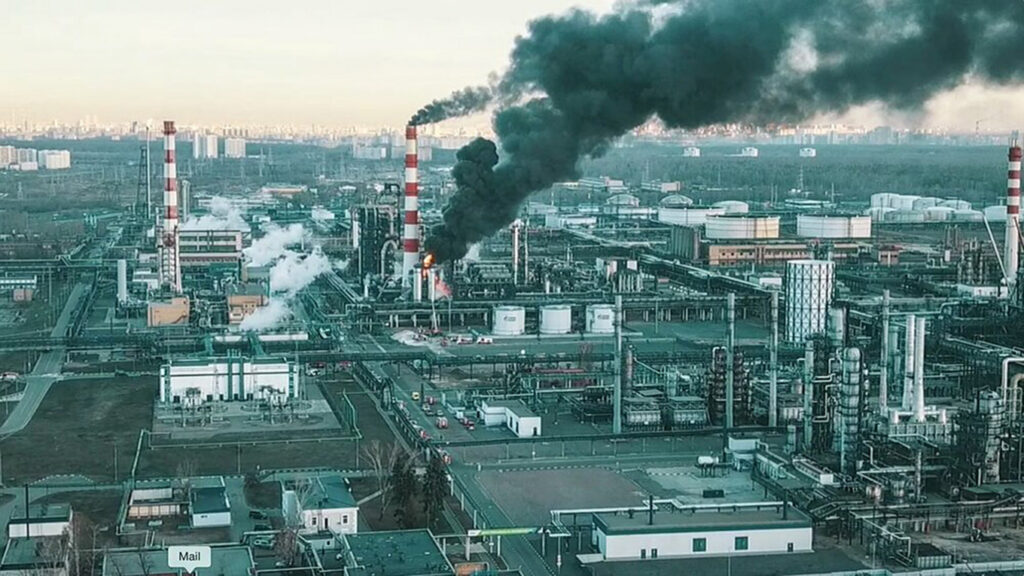
This latest attack on 18 June 2026 directly follows an initial targeted strike on 16 June, reinforcing Kyiv’s aggressive campaign to disrupt the Kremlin’s domestic fuel security. Local emergency services deployed massive resources to combat the resultant blaze, though official casualty figures have not yet been released.

Scale of the Assault and Air-Defence Claims

Moscow Mayor Sergei Sobyanin stated that Russian air-defence systems detected and intercepted approximately 180 drones heading toward the metropolitan area. While authorities claimed the majority of the unmanned aerial vehicles (UAVs) were neutralised, the breach at the refinery highlights the limits of local defensive grids.
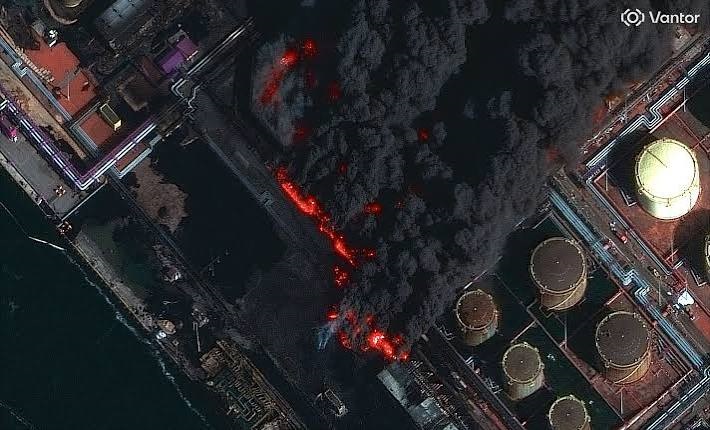
“The strike adds to a growing list of attacks on Russian energy infrastructure and signals that Moscow itself is not a safe zone for critical facilities.” –CNN.
The sheer volume of the deployment disrupted international and local logistics, forcing widespread commercial flight diversions and ground delays across major Moscow airports. Industry analysts note that Moscow’s reporting pattern consistently highlights high interception rates while minimizing the acknowledged damage to key installations.
Fast Facts: The Kapotnya Refinery Strike
- Date of Attack: 18 June 2026, marking the second hit in a single week.
- The Target: Gazprom Neft oil refinery in Kapotnya, 15 km southeast of central Moscow.
- The Damage: Major fire triggered after a primary processing unit was breached.PDF
- Disruption: Aviation protocols triggered, forcing widespread commercial flight diversions across the capital.
Strategic Implications for Global Energy
The systematic targeting of primary processing units presents severe economic risks, as these complex industrial installations are highly difficult to repair under restrictive international trade sanctions. For a major energy-producing nations like Nigeria, tracking these infrastructure disruptions remains a priority due to the immediate secondary impacts on global crude oil volatility and refined product supply chains.
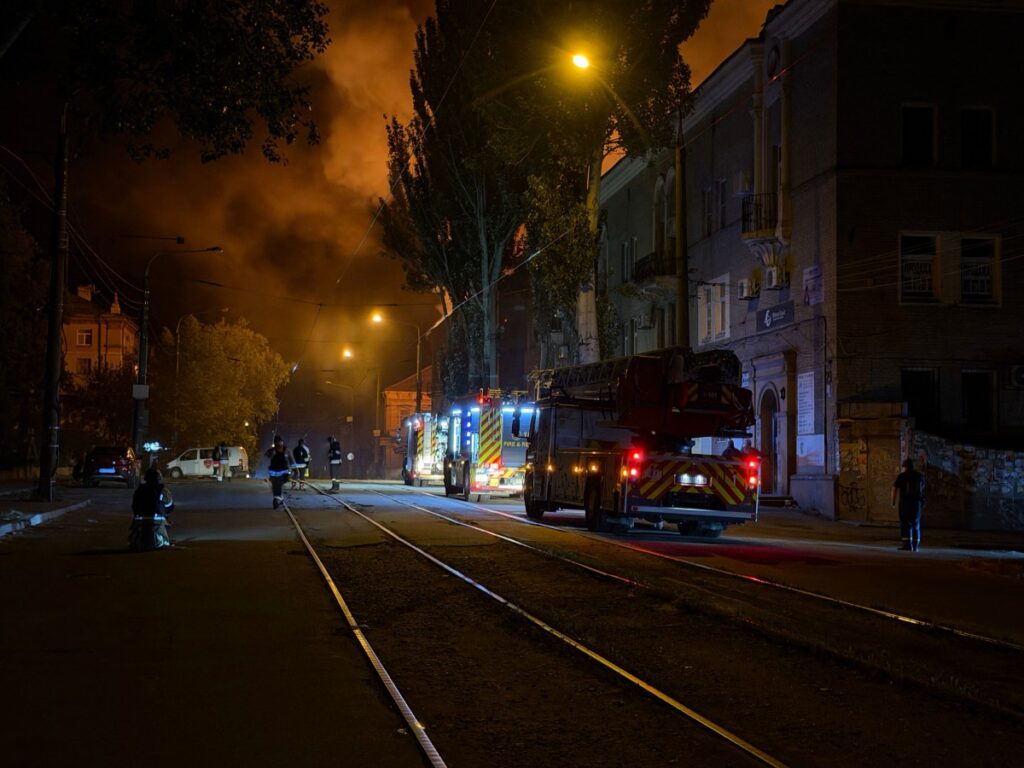


Kyiv’s long-range campaign signals a deliberate transition towards economic attrition, ensuring the structural and financial costs of the war are felt directly within the heart of the Russian state.
The Social Call-to-Action (CTA)
What are your thoughts on Ukraine’s shifting strategy to bring the economic weight of the war directly to the Russian capital? Share your perspectives in the comment section below or join the live conversation on NTA’s official social media platforms.