
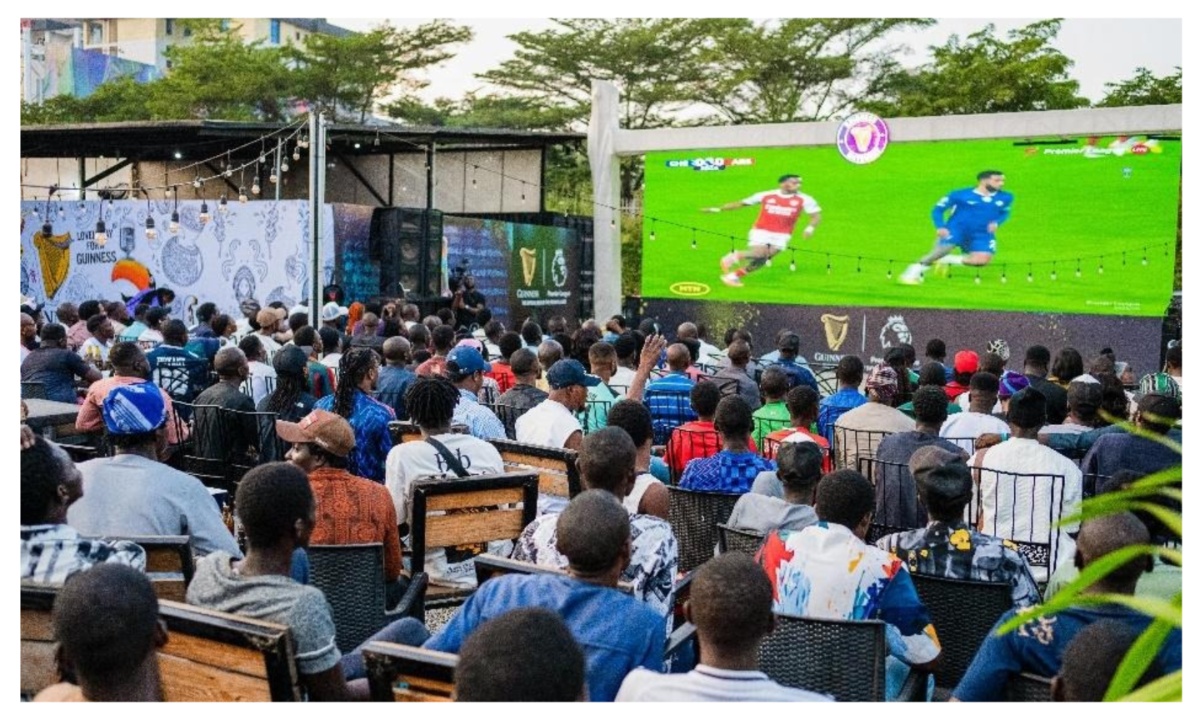
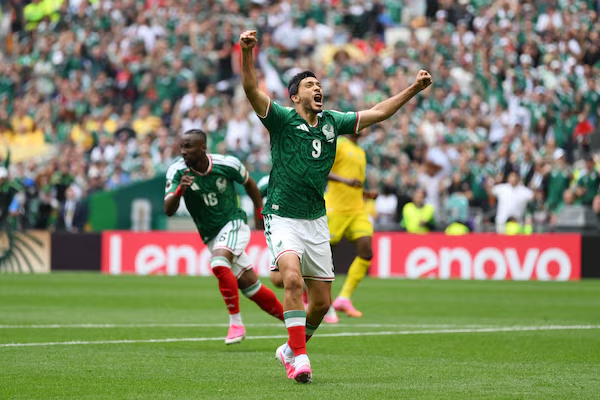
From the vibrant viewing centres of Lagos to the living rooms of Abuja, millions of Nigerian football enthusiasts tuned in on Thursday night to witness history in the making. The 2026 FIFA World Cup officially came alive as co-hosts Mexico secured a clinical 2-0 victory over South Africa’s Bafana Bafana at the iconic Estadio Azteca, ushering in a new but highly controversial 48-team era.
A Historic Curtain-Raiser in Mexico City
The Group A clash in Mexico City served as the official curtain-raiser for a massive 39-day tournament spanning 16 cities across the United States, Canada, and Mexico. Under the watchful eye of Brazilian referee Wilton Sampaio and Colombian VAR official Nicolas Gallo, El Tri capitalised on home turf advantage to dampen South African spirits.
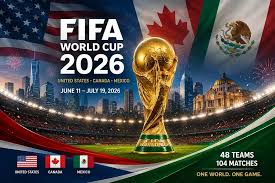
This tournament marks a profound departure from the traditional 32-team layout we have known for decades. A staggering 104 matches will be played across North America, culminating in the grand finale on 19 July 2026 at the MetLife Stadium in East Rutherford, New Jersey.
Geopolitical and Administrative Hurdles Raise Concerns for African Fans
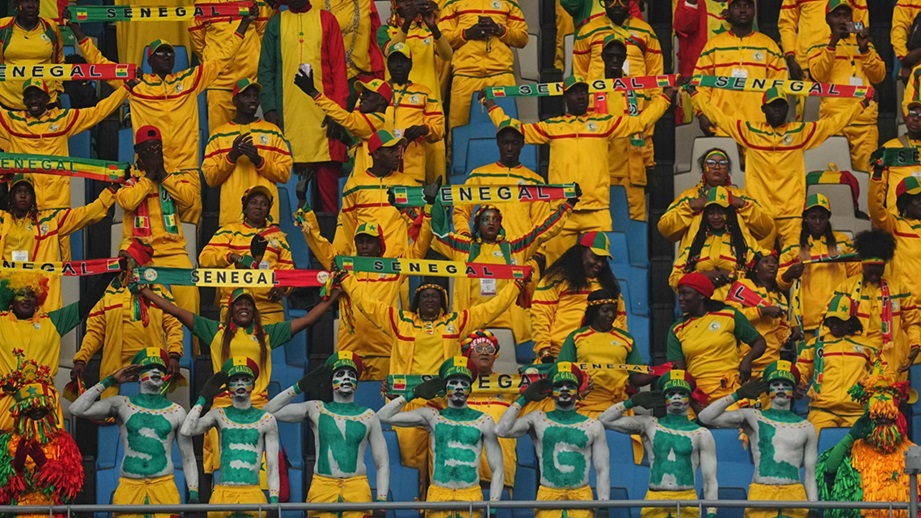
The United States administration sparked intense diplomatic friction by initially introducing a refundable visa bond of up to US$15,000 for travellers from 50 nations. This strict measure directly impacted supporters and delegations from five qualified African participants: Algeria, Cape Verde, Côte d’Ivoire, Senegal, and Tunisia.
Although the US government temporarily waived these bonds in May 2026 for ticket holders who enrolled in the FIFA PASS expedited system before the 15 April deadline, thousands of African fans remain stranded due to consular backlogs. Geopolitical vetting also hit the officiating ranks, as 34-year-old Somali referee Omar Abdulkadir Artan was denied entry into the US despite holding a valid diplomatic passport. FIFA has since confirmed that Artan will be unable to train or officiate at the tournament.
Ticket Pricing and Resale Spikes Spark Global Debate
The financial demands of this tri-national spectacle have also drawn sharp criticism from fans worldwide. While FIFA capped official entry-level tickets at a reasonable US$60 to ensure baseline accessibility, overwhelming global demand has triggered an explosive secondary resale market.
Verified data reveals that secondary market tickets for group-stage matches are trading between US800andUS3,800. For the coveted final in New Jersey, resale prices have ballooned to between US4,185andUS9,805+, representing a median increase of nearly eight times the original face value.
Defending the commercial framework during a press conference in North America, FIFA President Gianni Infantino downplayed the global outcry over ticket inflation:
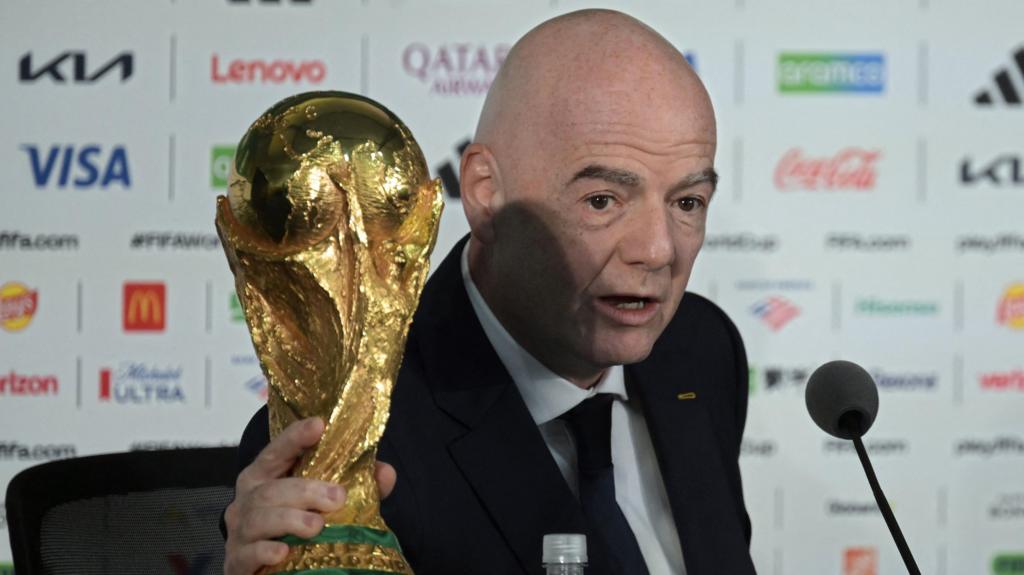
“Let me just say that our entry price, which is 60 dollars, is the lowest entry price of any of the American sports in the play-off phases. Our average price, which is below 500 dollars, is again the lowest of the American sports on average.” — Gianni Infantino, FIFA President
Context Box: The New World Cup Format Fast Facts
To break down this complex structural transition clearly for our mobile readers, here is how the 2026 tournament structure compares to the traditional format:
| Tournament Feature | Traditional Format (1998–2022) | New Expanded Format (2026) |
|---|---|---|
| Total Teams | 32 Teams | 48 Teams |
| Group Stage Layout | 8 Groups of 4 | 12 Groups of 4 |
| Total Matches Played | 64 Matches | 104 Matches |
| Knockout Advancement | Top 2 advance straight to Round of 16 | Top 2 + 8 best 3rd-placed advance to Round of 32 |
| Host Country Scale | 1 or 2 cooperating nations | 3 cooperating nations (USA, Canada, Mexico) |
Key Takeaways for Nigerian Fans and Digital Creators
- The 104-Match Milestone: Total matches surge from 64 to 104, offering an unprecedented expansion in broadcast inventory and global digital engagement over a 39-day window.
- The 3rd-Place Lifeline: The inclusion of the eight best third-placed teams introduces an intense mathematical dynamic to the final group stage fixtures, keeping lower-ranked teams in the hunt longer.
- Tri-National Logistics: Operating across three major host nations sets a completely new precedent for mega-event sports diplomacy and cross-border transport corridors.
The Social Call-to-Action (CTA)
With the World Cup officially under way, do you believe an African nation possesses the tactical depth to conquer the administrative hurdles and go all the way to lift the trophy at MetLife Stadium? Share your predictions and join the national sports discourse on NTA’s official digital platforms using the hashtags #NTANetwork and #WorldCup2026.